Successful beef producers work cattle with tried-and-true strategies during hot, muggy summers. Innovative methods, such as working early in the morning or at night, can prevent excessive heat loads in cattle.

“We try not to work cattle on hot, humid days,” says Josh Scheckel, an Angus seedstock breeder near Bellevue in eastern Iowa. “We focus on maternal function, common sense and no-fluff fundamentals needed to help commercial producers thrive. We utilize A.I. breeding, embryo transfer and live breeding with our bull battery.”
Scheckel regularly sees 100°F days with high humidity, which is harder on men and cattle than heat. During the day, Scheckel’s herd beds down among shady trees, grazing during cooler nights and early mornings. The Scheckel cattle carry more condition to withstand brutal winters. That extra condition makes them more susceptible to heat stress than thinner cattle.
“We try not to work cattle on hot, humid days, but we have scheduled events, like breeding,” Scheckel explains. “We usually work early mornings before the sun is out in full force. We [utilize] low-stress handling, walking them everywhere, not crowding them, gently working them the best we can.”
He has used a mist sprayer and pressure washer to cool animals off when they started panting. “If you can’t wait for a better day, go slow, use low-stress handling methods, low-crowding and keep them under shade if you have it,” Scheckel advises. “Don’t work cattle unless you absolutely have to on those hot, humid days.”
“We focus on water, especially when processing livestock,” says Logan Pribbeno, president of the Wine Glass Ranch in southwestern Nebraska, which raises Hereford-Angus cross cattle. “Like many ranchers, we process when it’s below 85 degrees,'' Pribbeno explains. “We start early, ending when the temperature reaches 85 degrees.”
Pribbeno recommends producers check weather forecasts, working cattle when a cool spell arrives. Water is essential for livestock, especially during hot, sultry summers. “If you deprive an animal of water when processing them, they become stressed,” Pribbeno explains. “We focus on water, especially when processing. We want our herd to have access to cool, clean water until we’re done. During summer, an adult cow requires 25 to 30 gallons of water daily.”
Time management strategies prevent stress
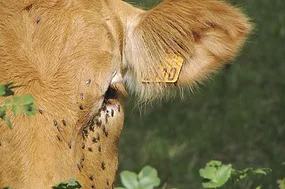
Eric Bailey, Ph.D., state beef nutrition specialist at the University of Missouri, reports that heat stress symptoms in cattle include breathing with open mouths, foaming at the mouth or drooling, rapid shallow breaths and an elevated heart rate. Cattle will reduce dry matter intake, a protective mechanism to decrease the heat load because the rumen produces heat during digestion.
Time management tactics prevent stress in both ranchers and animals. To prevent cattle from developing a heavy heat load, gather them the day before, using low-stress handling techniques. They can dissipate accumulated heat during the evening. Bailey has worked cattle in the cooler predawn and dawn temperatures, quitting around 11 a.m. to avoid midday heat, causing a heavy heat load in cattle.
Operators can plan to work animals in late spring before temperatures rise. “We have some branding flexibility,” Bailey explains. “We don’t have to brand calves when they’re 60 to 75 days old. However, if we’re shipping yearlings off grass to the feedyard, we may not have as much control over our schedule.”
Bailey recommends familiarizing animals to available facilities. “Handle cattle gently during cooler months of the year, working them through your facilities multiple times to acclimate them,” Bailey recommends. “Animals accustomed to holding pens, alleys and chutes stay cooler because they aren’t stressing over a new environment.”
In some cases, producers have delivered calves to drylots with automatic waterers before processing them the next day. Those naive calves had been on pasture and did not know how to use the waterers, resulting in severely dehydrated animals. “If you pen them the night before, make sure they have access to water and know how to use the equipment,” Bailey warns. “The worst mistakes ranchers make are failing to plan, working cattle roughly during the heat of the day, not respecting cattle flight zones or having a basic understanding of animal husbandry.”
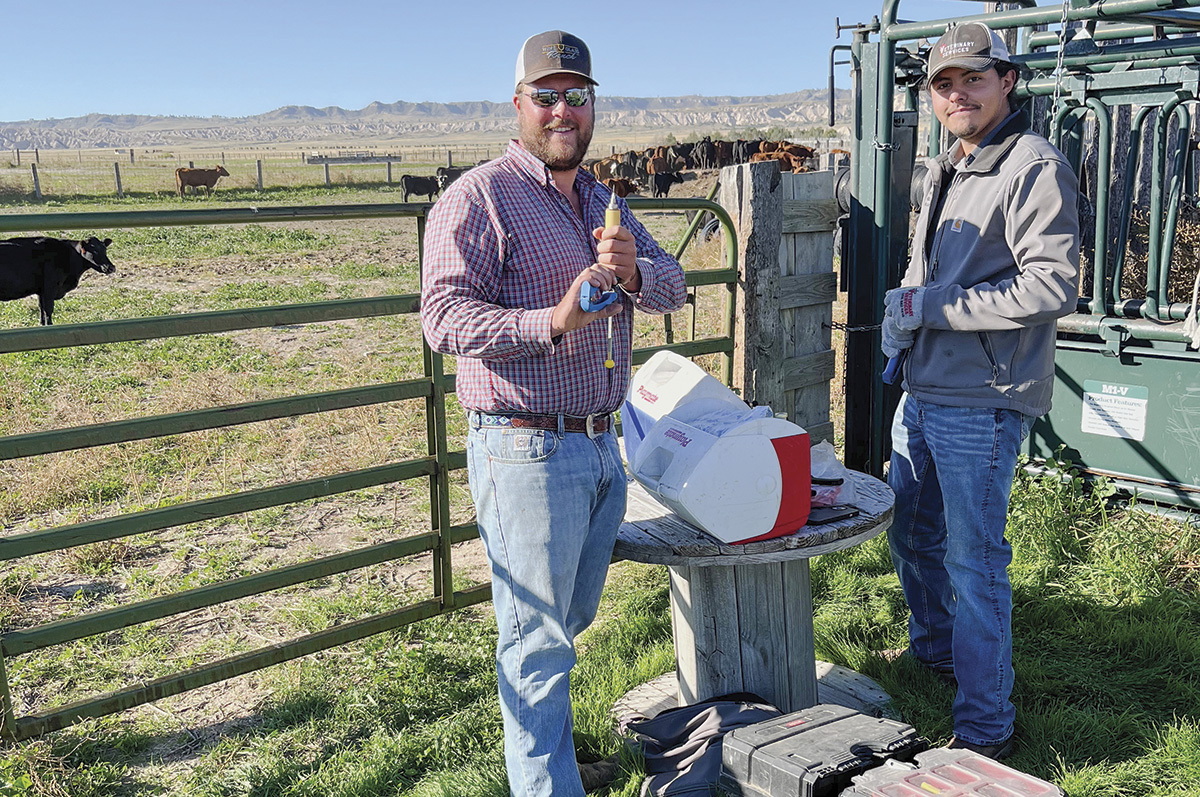
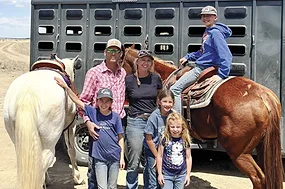
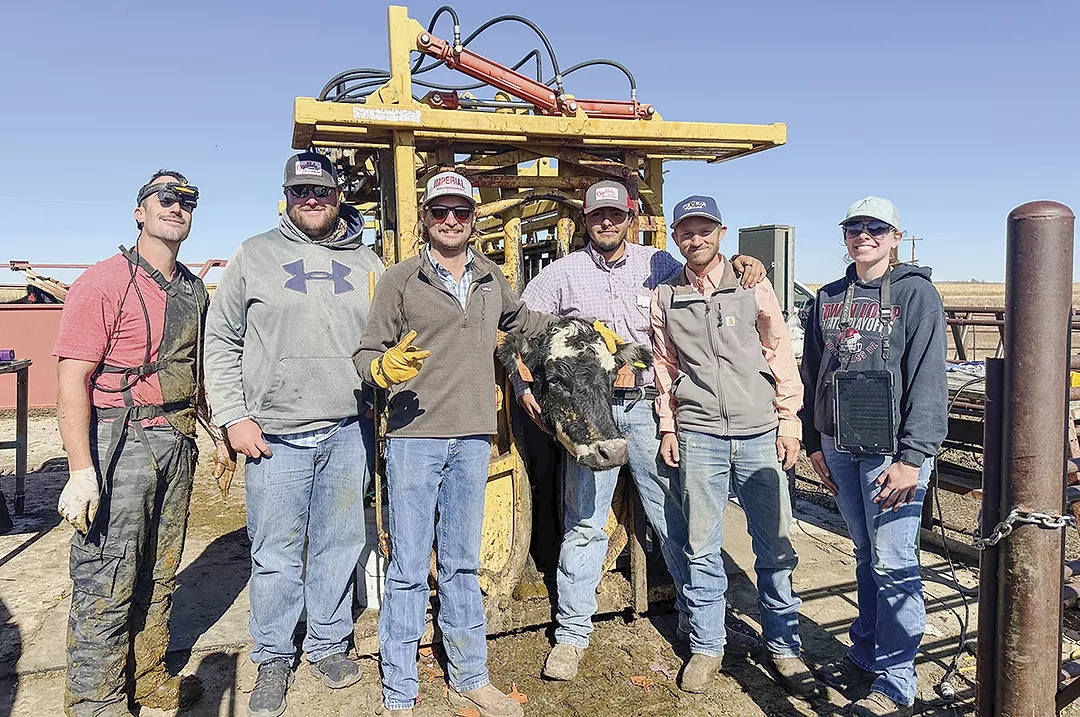
These folks are checking equipment before vaccinating cattle. When equipment functions properly, the animals can be moved quietly and efficiently through the vaccination protocol. Image courtesy of Wine Glass Ranch.
Working at night
Jason Banta, Ph.D., extension beef cattle specialist with Texas AgriLife Extension, reminds producers that if a rancher sees heat-stressed cattle before working them, he should consider turning them out to cool off.
“Plan ahead so we don’t get into that situation,” Banta recommends. “Be mindful of when you’re working cattle. The appropriate times to work them vary depending on where you’re located in the U.S., the weather conditions that day and the types of cattle you’re dealing with. We have more flexibility with straight Brahman or half-blood Brahman on hotter, humid days than we would with straight Bos taurus cattle.”
Savvy operators avoid higher temperatures and humidity by planning vaccinations and other tasks because hot weather can make vaccinations less effective. Banta recommends that cattle have shade when being worked on hot, sultry days, although most cow-calf producers probably will not have enough shade to cover their holding or working pens. Make sure cattle have ample space. When crowded together, they become hotter with less ability to dissipate heat. Minimize their time in the working pen and process them in smaller groups.
Most operators work cattle early in the mornings. “That’s much better than working them in the middle of the day,” Banta explains. “One disadvantage to working in the morning is when you finish working cattle [which can be midafternoon]. You build heat load when you work them in the morning. They’ll carry that heat load throughout the day and won’t be able to dissipate heat until the evening.”
Consider working cattle from late afternoon into the evening and night. “If we have a little less heat load in animals, they have a better chance of dissipating the heat load sooner,” Banta observes. “Smaller producers may be able to do that during the last hour of sunlight or after sunset. If operators have lights or rent portable lights, they can work cattle at night.” Ranchers can use generators to provide light, and many pickups can run a small set of lights. Some hybrid pickups can generate large amounts of electricity for lights.
After working, Banta recommends turning cattle into a pasture with several shade sources, such as trees or hillsides, to prevent huddling around the same shade source. Crowding makes it harder for them to dispel heat. Cattle may stand in ponds or other water sources to disperse heat faster.
To maximize efficacy, some practices might need to be implemented when weather is often not ideal for working cattle. In parts of Texas, for example, deworming during late May or June is the best time to administer many products. Instead of using an injectable product, producers could apply a pour-on in the lead-up to the squeeze chute without having to catch each animal. Operators can also provide dewormers through feed technology.
Additionally, ranchers may use a dewormer with a longer residual time. “If we vaccinated in March or April and didn’t want to bring cattle back in May or June for deworming, we could select a product that has a longer residual activity to provide coverage at the target time,” Banta explains.
Consider working cattle in late spring or at night during hot, sultry weather. Vaccinate and deworm in late spring. Remember, calves may not require branding until fall. These and other management options make challenging summer chores easier on operators and animals.