Disease outbreaks pose a real and growing threat to cattle operations of all sizes. Whether it’s a common concern, such as bovine viral diarrhea virus (BVDV), or a foreign animal disease such as foot-and-mouth disease (FMD), proactive biosecurity measures are key for disease prevention. You can take simple, effective steps to protect your farm or ranch. Start with these essential biosecurity measures:

1. Traceability and recordkeeping
What poses the biggest risk to cattle producers in the U.S. is the number of times cattle change hands and move to different operations. For example, a calf could be born in Alabama, backgrounded and run as a stocker in Kentucky, sent to a feedyard in Texas and slaughtered in Kansas. That’s why traceability has become more of a focal point in the industry.
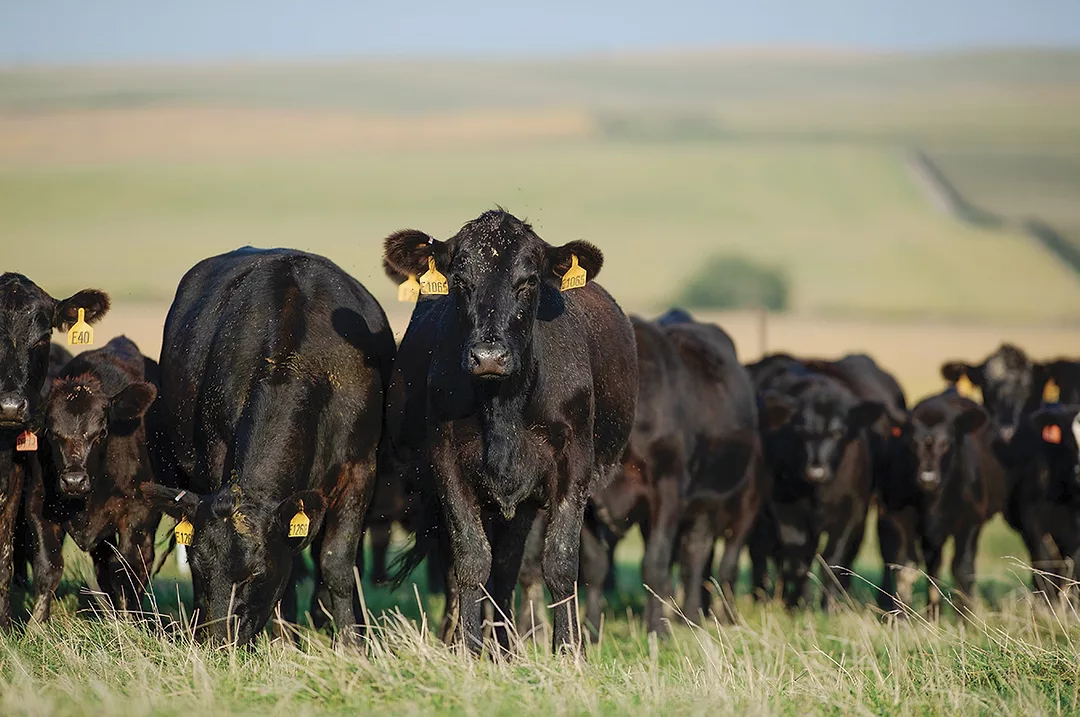
Even if you haven’t implemented radio frequency identification (RFID) tags, accurate individual animal records are a fundamental part of any biosecurity plan. Keep track of when animals get sick and what treatments they have had. Your records could also include the movement of people and animals on and off the operation, as well as within it.
2. Test and quarantine
Before bringing any new cattle onto your operation, have them tested for diseases such as BVDV, Johne’s disease and trichomoniasis (herd bulls). Ideally, new cattle should be quarantined for at least 30 days in a pen or pasture where they won’t have nose-to-nose contact with other cattle. Once their results have come back clean and they have completed the designated quarantine period, you can run them with the rest of the herd. Even show cattle returning from events can be quarantined for a short period, since they may have been exposed to unfamiliar animals.
3. Strengthen immunity
Vaccines are an important tool for building robust immunity in a herd and strengthening an overall biosecurity plan. A well-designed vaccination protocol will help protect animals from some of the more common pathogens they may encounter. Work with your local veterinarian to choose a vaccine that offers broad coverage and long-lasting protection. Because not all diseases are preventable with vaccines, it’s equally important to support immunity through management practices such as good nutrition and low-stress handling.
4. Deal with disease
Should any cattle become ill, placing them in an isolated hospital pen, or “sick” pen, can help limit disease spread. Always tend to sick cattle last so that you don’t transmit pathogens to healthy cattle. Consider cleaning and disinfecting, too. Clothes, boots, equipment, vehicles and facilities need to be cleaned and disinfected regularly, especially when dealing with sick cattle. Your veterinarian can also help design treatment protocols for specific diseases so you’re prepared when a health challenge arises. A fast-acting, broad-spectrum antimicrobial can work well in certain situations, particularly if bovine respiratory disease (BRD) is present.
5. Build a plan and seek input
Once a biosecurity plan is in place, it will be important to train employees on all aspects of the plan. Everyone should be on the same page regarding how to limit and respond to disease outbreaks.
Your local veterinarian is the best resource for developing a tailored biosecurity plan. Organizations such as state extension agencies, the national Beef Quality Assurance (BQA) program, and the Secure Beef Supply (SBS) Plan can also provide guidance and educational materials about biosecurity.
Keeping disease off your farm or ranch doesn’t require a complex plan full of protocols. There are many simple, practical steps you can take to mitigate disease risk and help protect your operation from an outbreak.