All things New World screwworm (NWS) were the topic of conversation during a recent Texas A&M AgriLife Extension webinar on June 9, 2025. With growing concern of the pest making its way to the U.S., a panel of industry professionals covered the questions of what it is, preventative and treatment measures, and livestock, wildlife and human concerns.

"This is a situation that impacts all of us," warned T.R. Lansford, Texas Animal Health Commission deputy executive director and assistant state veterinarian, of the potential return of New World screwworms to the U.S. “The parasitic fly poses a significant threat to livestock, wildlife and potentially human populations.”
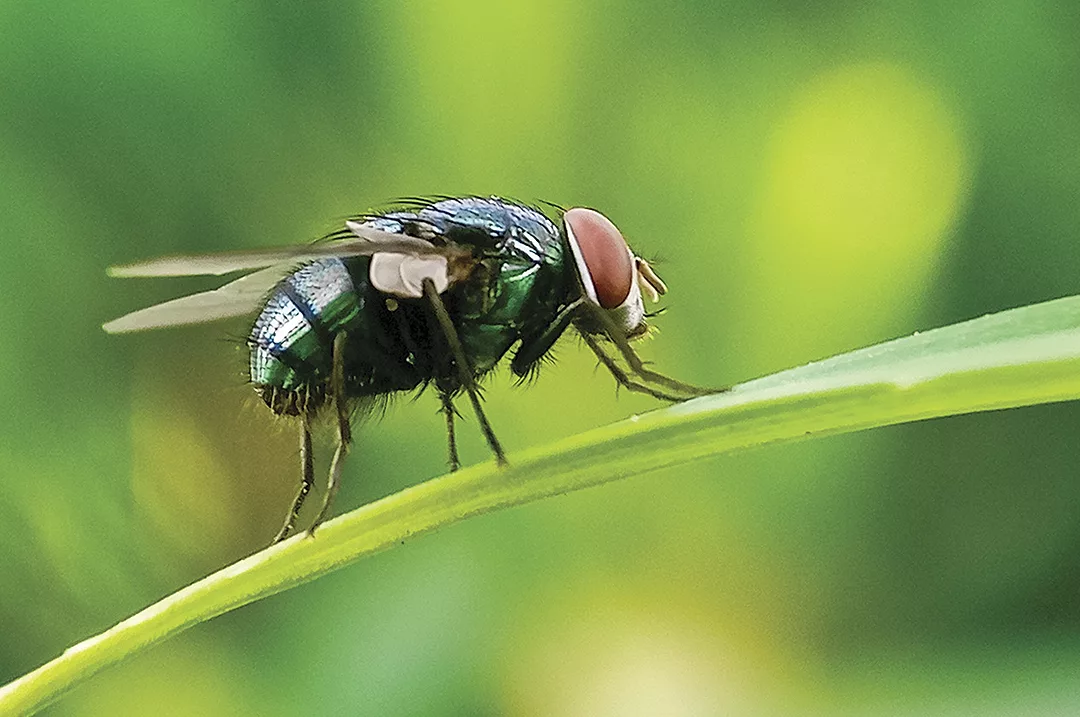
Sonja Swiger, Ph.D. and an entomology specialist, described the screwworm's life cycle, saying, "The larvae are found to infest into the living tissue of live animals. They do have a preference for warm-blooded animals such as livestock and wildlife."
She added that the fly's scientific name, Cochliomyia hominivorax, literally means "man-eater," though human cases are rare.
The economic implications of an infestation will be devastating. Lansford says the current economic benefit of being screwworm-free is "about a billion dollars in direct benefit to livestock producers in the United States, and about 3.7 billion dollars to the overall economy." A potential outbreak would reverse this dramatically.
Wildlife experts painted an equally grim picture.
"In areas where we had high fly populations, you can lose up to 50 percent or more of the deer population," says Terry Hensley, DVM, Texas A&M Veterinary Medical Diagnostic Laboratory and Texas A&M AgriLife Extension Service. “The 2016 Florida Keys outbreak demonstrated the potential for ecological damage, with at least 135 deer lost out of a population of around 1,000 animals."
However, the sterile insect technique has proven to be successful in past outbreaks.
"The flies are mass-produced on an artificial diet and then exposed to a short dose of cobalt, where they receive their radiation treatment," says Phillip Kaufman, Ph.D. “The key to success is that the female will only mate once in her life, so if she mates with a sterile male, she essentially becomes irrelevant to producing offspring."
Livestock producers should be prepared. Have a conversation with your veterinarian and find a veterinarian if you don’t have one. All the experts stressed reporting anything that looks suspicious. If NWS does make its way to the U.S., the faster it is reported, the quicker it can be eradicated.
"Be vigilant but don't panic,” says Thomas Hairgrove, Texas A&M animal science professor and extension veterinary specialist. "If you expect a screwworm infestation, contact your veterinarian immediately. For those unable to reach a veterinarian, call the Animal Health Commission's 24-hour hotline.”
Public health concerns were equally stressed.
Leigh-Anne Lawton, State Public Health Services entomologist for Texas, warned about human risks, saying, "People at higher risk of exposure are those who travel to areas where these flies are present, those living in rural areas near livestock or those with open sores or wounds."
The potential for spread is significant.
“The current situation in Mexico presents a pretty significant threat to the United States and Texas, particularly," Lansford says. “The economic impact could be substantial, with estimates suggesting about 540 million dollars to livestock producers across the United States on an annual basis."
Experts unanimously stressed the importance of everyone’s involvement.
"It doesn't matter whether you're a landowner, outdoor enthusiast, hunter, hiker, bird watcher or wildlife manager," Hensley says. "It's a problem for all of us, and we all have to be involved."
The key message was clear: Vigilance is crucial.
"Do not be afraid to report what you think may be a screwworm,” Hairgrove says. "Nobody is going to say a word about it being a false alarm. We hope they're all false alarms."
Additional information on the New World screwworm can be found here.