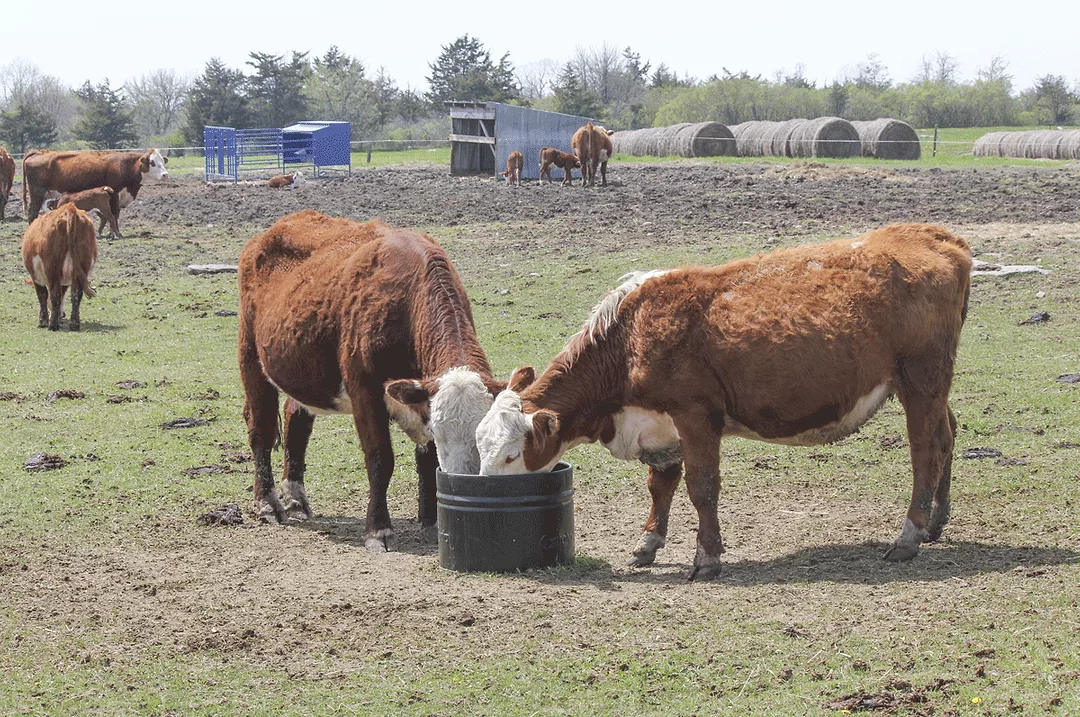
We’ve made it through another breeding season, and the constant hot temperatures are in full swing. The “dog days of summer” not only take a toll on your mood but also become a consistent stressor to the cow herd. We never seem to get enough moisture when needed, either, further diminishing our forage quality and availability. Add in the fact that we are preparing to wean our spring calves, and a stressful storm is forming that will compromise the health of our cows and calves. Just like you’d prepare for any other severe weather event, it’s time to think about nutritional intervention for this year and how it can impact the gestating calf down the road.

We all know the negative impacts prolonged heat can have on the herd. It’s frustrating to see cattle bunched in the shade or standing in the pond. In these instances, the cow is spending more time and energy trying to thermoregulate than grazing and nursing her calf. This is a noticeable loss in productivity. But did you know that her metabolic state is changing as well? The stressors from excessive heat and humidity activate her immune system, which requires a massive amount of energy to function correctly. We must do all we can to reduce this energetic “tax” and reduce the stress load so she doesn’t lose precious body condition.
It makes sense to try to manage the external effects of heat and humidity on our cattle, but why not take an approach from within? Prebiotics not only stimulate rumen fermentation by directly improving the growth rates of “good bacteria,” but also directly impact rumen fungi. These are important and often overlooked organisms of the rumen microbiome because they help improve the breakdown of fiber by increasing enzymatic activity. When they work together with the bacteria, there is an improvement in fiber utilization and volatile fatty acid (VFA) production of at least 16%. In lay terms, daily feeding of a good prebiotic product can unlock the energy equivalence of feeding a pound of corn. That could be the difference in one total body condition score (BCS) as an average for the herd. That’s a huge insurance policy for the extra energy needed during times of stress!
There’s a lot more the rumen bacteria can do for the cow as well. A significant portion of the protein metabolized by the cow comes from microbial protein. The amount of microbial protein produced is influenced by the amount of degradable protein the cow eats, as well as the efficiency of microbial growth in the rumen. Suppose prebiotics stimulate the growth of microbial protein production by as little as 30%. In that case, that’s the metabolic equivalent of feeding an extra pound of soybean meal, without the added cost or labor.
During these dry, hot months, our forage quality is rapidly dropping. The benefits of feeding a prebiotic and increasing microbial protein production can help meet the protein needs for growth, milk production and more. Not to mention, your fall calvers are in their final stages of gestation and experiencing up to a pound of fetal growth per day. Research has proven that calves born from protein-deficient dams don’t perform as well as their adequately nourished counterparts. Mother Nature equipped the cow with the extraordinary gift of being able to synthesize her own protein, so give her the tools to do it from within.
Your banker will tell you, “Make more money, but try to spend less.” We can make more energy and protein by using a prebiotic, but our goal is to suppress the stress and immune responses that take precedence over things like performance. The gut is home to 70% of a cow’s immune system. By increasing the growth rates of the good bacteria and improving the barrier function of the gut by feeding a prebiotic, you’re essentially building a bigger army and strengthening the wall between pathogens and your animal. Keeping the immune system at bay during heat stress and weaning time is critical to optimize your genetic investments.
Hot summer days can add significant stress to us and our herds, compromising their health and cow efficiency. Good husbandry, such as providing fresh, clean water, is essential and widely understood. However, it’s time to incorporate prebiotic tools to help mitigate some of the challenges associated with hot, dry conditions. They’re easy to deliver in your supplement programs. Giving your herd everything you can from a nutritional sense not only sets you up to take advantage of the record-high calf prices, but also sets up your females for greater longevity. It is time to beat the heat from within.