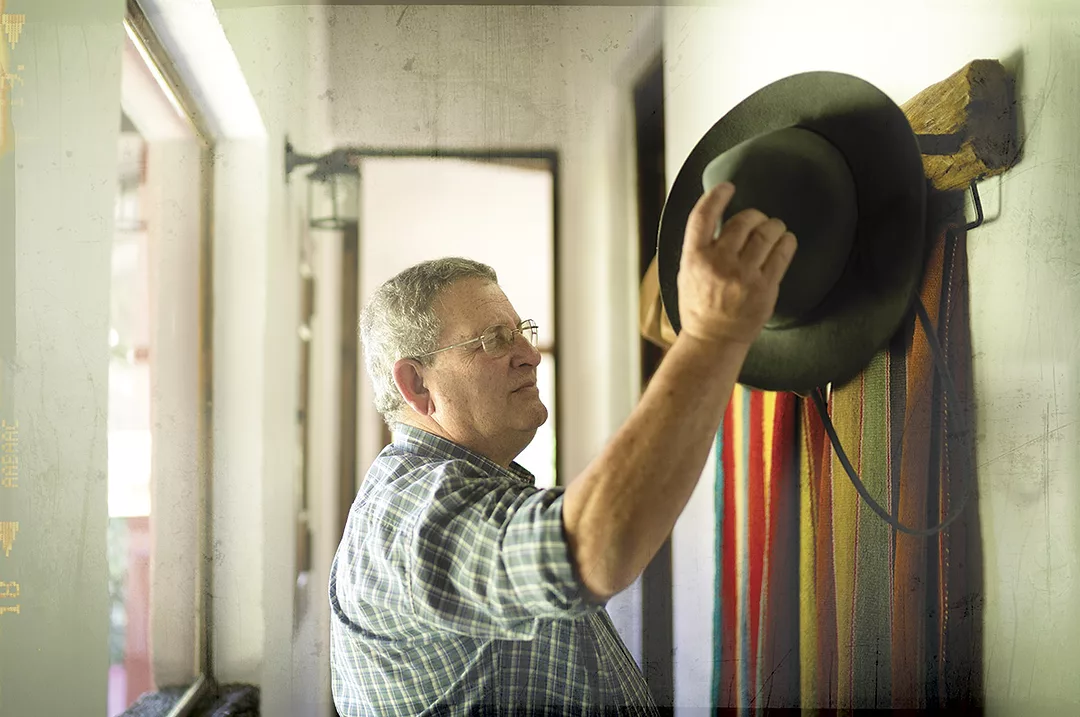
Retirement looks different for each of us. For some, it means ceasing to work completely. For others, it’s a shift in responsibility from owner to operator. And for some, it’s as simple as not being “on call” for those unforeseen events, like a 2 a.m. breech calving or a frozen milkline.

For many dairy farmers, retirement planning can feel like unfamiliar territory after a lifetime of reinvesting in the farm and managing day-to-day operations. The shift of focus from prioritizing business finances to personal can cause stress, uncertainty and fear for many. But as retirement nears, the focus must shift from generating income to preserving and efficiently using the wealth that has been built. The truth is: It’s not about how much money you’ve made over the years – it’s about how much you keep.
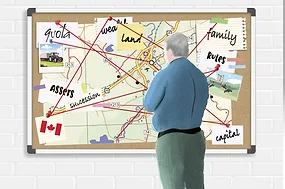
This is especially important considering that 88% of Canadian farms do not have a formal succession plan in place, and over 75% of Canadian farmers rely primarily on the farm as their main source of retirement income, with limited or no personal wealth or savings outside the business.
Without putting a strategy in place, farmers risk losing significant value to taxes, missing opportunities or even underfunding their retirement needs. That’s why proper planning is essential – not just to maintain your lifestyle but to protect your legacy and support your family’s future.
Start succession planning early to understand your options for personal income
For dairy farmers, the farm is more than just a business – it’s a way of life, a cornerstone of family life and often the primary source of income. As retirement approaches, one of the most critical steps is to begin succession planning early. This not only ensures a smooth transition but also allows farmers to explore and understand the various compensation options available to support them financially in their retirement years.
Early planning gives you time to evaluate different strategies, consult with advisers and make informed decisions that align with both personal and family goals. In our work as succession planners, we have seen many ways of farmers being compensated; some of the most common ones are highlighted in this article.
Outright sale of the farm
Selling the farm to a family member or third party is a straightforward way to generate retirement income. The proceeds from the sale can be used to fund retirement directly or generate investment income that supports lifestyle.
The sale of qualifying farm property may be eligible for the Lifetime Capital Gains Exemption (LCGE), which allows up to $1 million in capital gains to be tax-free (as of 2025). This exemption can significantly reduce the tax burden on the sale and allow for maximization of assets available to fund retirement.
The downside of an approach like this is that selling the farm completely requires giving up control and puts a strong focus on money management and financial planning. This is something that is often new or intimidating to many who are used to their financial security being tied to the value of their land – something they can see, touch and feel as opposed to numbers on paper.
Share redemption from a farm corporation
If the farm is incorporated, a retiring farmer may choose to have the corporation redeem shares over time as part of a structured exit strategy. This allows them to gradually extract value from the business without selling the underlying assets or transferring operational control all at once.
Share redemptions are typically treated as a deemed dividend for tax purposes, which can make this approach more tax-efficient than simply taking a salary. In some cases, a portion of the redemption may be treated as a capital gain, potentially qualifying for the LCGE. This approach can also be used in combination with an estate freeze or other tax planning strategies to facilitate intergenerational transfers.
For farmers wishing to retain some form of security or control in the operation, an approach like this could be well-suited to both provide retirement income and simultaneously provide financial security and peace of mind.
Drawing a salary or dividends from the farm corporation
As mentioned earlier, retirement doesn’t have to mean completely stepping away from the business. A retiring farmer who remains involved in a limited capacity may continue to receive salary or dividend payments from the farm business. This provides a steady income stream while allowing the next generation to take on more responsibility.
The structure of the operation plays an important role here. For unincorporated farms, salary is taxed as earned income and subject to payroll deductions. For incorporated farms, dividends are taxed at a lower rate than personal income due to the dividend tax credit and can often provide increased flexibility.
Each of these options has its own benefits and trade-offs, and the best choice depends on the farmer’s financial goals, family dynamics and long-term vision for the farm. Starting early allows time to weigh these options carefully and build a retirement plan that provides both financial security and peace of mind. Early planning also allows for more potential structural changes. For example, succession may be a great time for farms that are not currently incorporated to consider a change in order to create new compensation models for the exiting generation.
Aligning lifestyle income needs with retirement goals
Retirement is not just a financial transition – it’s a lifestyle shift. For dairy farmers used to the rigorous demands of farm life, retirement can bring both freedom and uncertainty. One of the most important aspects of retirement planning is ensuring that both spouses are aligned on their goals, expectations and lifestyle choices.
This alignment starts with open conversations about what retirement looks like. Do you envision traveling more? Will you need a new vehicle for road trips or to tow a trailer? Are you planning to help your children with education costs, home down payments or even support them in taking over the farm? These are all significant financial considerations that should be factored into a retirement budget.
In our work as succession planners, we see most families concerned about being aligned with the vision of their children for the future of the farm. However, from our experience, there is just as much misalignment between husband and wife when it comes to lifestyle expectations in post-farming years. Retirement planning starts with setting goals and timelines, and it is important that partners are aligned on how their time will be spent in the future, as the retirement plan must reflect their intentions.
Creating a realistic budget that includes both essential living expenses and discretionary spending – like hobbies, travel and family support – helps avoid surprises and ensures that retirement savings meet your needs. It also helps couples stay on the same page, reducing stress and fostering a shared vision for the years ahead. Working with a financial adviser can help translate these lifestyle goals into concrete numbers, ensuring that your retirement income plan supports the life you want to live.
Legacy and estate planning: Leaving more than just memories
Retirement planning for dairy farmers isn’t solely about ensuring personal financial security; it’s also about shaping the legacy you wish to leave behind. Whether your goal is to pass on the family farm, provide a cash inheritance to your children or make a philanthropic gift to a church or charity, these intentions should be carefully built into your financial plan.
Estate planning allows you to define how your assets – land, equipment, savings and personal belongings – will be distributed. If you want to leave specific assets to certain family members, such as a tractor to a grandchild who helped on the farm or a parcel of land to a child who plans to continue the business, these wishes should be clearly documented in a will or estate plan. Similarly, if charitable giving is important to you, funds need to be allocated accordingly, and documenting in your will can ensure your values live on.
Without proper planning, your estate may be subject to unnecessary taxes, delays or disputes. Tools like life insurance, trusts and tax-efficient investment vehicles can help protect the value of your estate and ensure your legacy is passed on according to your wishes. Engaging with an estate planner or lawyer early in the retirement process ensures that your financial plan reflects not just your needs but also your hopes for the next generation and your community.
Efficiency is the key to a secure and meaningful retirement
Retirement from dairy farming is a major life transition, but it doesn’t have to be a financial gamble. By starting early, aligning with your spouse on lifestyle goals and incorporating legacy planning into your financial strategy, you can retire with confidence. Whether you’re selling the farm, drawing dividends or simply pivoting responsibilities, the key is to be as tax-efficient and purposeful as possible. After a lifetime of hard work, you deserve to retire with confidence. In the end, it’s not just about how much you made – it’s about how much you are able to keep and utilize it to meet your goals.