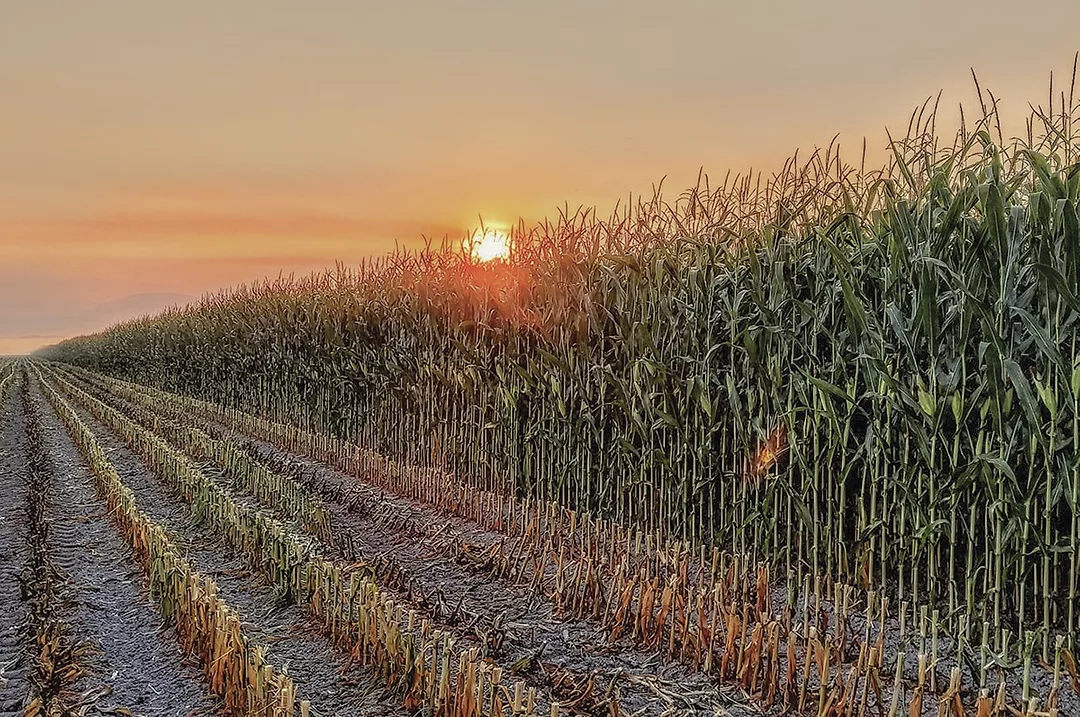
Things are heating up! August is a month bustling with activity on the farm – grass silage or hay to get off the ground, crops to monitor and maintain, and equipment to prepare for harvest (which is just around the corner). However, it also brings one constant challenge that every farmer knows all too well: uncertainty. We might experience a stretch of warm, dry weather perfect for cutting grass silage, only to be hit suddenly by an unexpected summer storm. Alternatively, we could be grappling with a seemingly endless drought. Even when we've done everything right – planted on time, cared for the crops and kept the equipment in working order – it can be incredibly frustrating to realize that so much still hinges on something as unpredictable as the weather.

It’s no surprise that weather-related anxiety is common among farmers. When your livelihood is directly tied to conditions beyond your control, it’s natural to feel stress, frustration or even fear. But there are ways to cope – mentally, emotionally and practically – so that the unknowns of the season don’t take a toll on your well-being.
Here are some strategies to help manage that stress and regain a sense of balance, even when the weatherman won’t cooperate.
Focus on what you can control
Psychologists call it locus of control – the idea that people feel more grounded when they focus on what they can control rather than what they can’t. You can’t change the forecast, but you can prepare your equipment, schedule labor wisely, update your insurance coverage or get your feed storage ready in advance.
Making small, purposeful decisions helps shift your brain from anxiety to action.
Try this: At the end of each day, jot down three things you did control – repairs made, tasks completed or calls returned. It reinforces progress, not pressure.
Limit forecast obsession
Checking the weather is part of the job, and I find myself falling victim to “weather-app doomscrolling,” but constantly refreshing radar apps can feed anxiety. It is easy to fall into a cycle of worry when the forecast keeps shifting.
Try this: If you find yourself constantly patrolling the weather apps, and it is causing you feelings of worry or panic, pause and ask, “Will checking again help me make a better decision or just make me more anxious?”
Build in buffer time for your brain
Waiting on rain, drying time or field access can feel like wasted time, but it’s also a chance to reset mentally. Use these slowdowns as moments to rest, eat well, check in with family or call a friend. Rest is not laziness – think of it as fuel for leadership and clear thinking.
Try this: During forced pauses (like weather delays), do one thing that restores you – whether that’s organizing the shop, having coffee with a neighbor or simply taking a walk around the farm.
Talk about it
You’re not the only one worrying about the weather. Talking to other farmers, family members or ag advisers can help you feel less alone and often reveals new ideas or perspectives. Rural communities are full of strength, but that strength grows when people share what’s on their minds.
Try this: Start with something simple like, “This stretch of dry weather’s been getting to me.” You’d be surprised how many others will say, “Yeah, me too.”
Practice acceptance without giving up
Letting go of control doesn’t mean giving up; it means acknowledging reality without letting it defeat you. This mindset, called radical acceptance, is used in therapy to help people handle tough situations without spiraling.
Try this: Say to yourself, “This weather isn’t what I wanted, but I can handle it. I’ll adjust as best I can.” It’s not giving in – it’s grounding yourself in the moment so you can move forward with clarity.
Final thoughts: You’re not alone
Farming has always meant working with the land and wrestling with uncertainty. But your mental health matters just as much as the moisture levels in your field. You can’t stop the storms, but you can strengthen your mindset, support your crew and take care of yourself.
There’s power in doing what you can and wisdom in knowing when to let go.
So when the weather won’t cooperate, remember: You’re still in control of how you respond. And that power, though quieter than thunder, can carry you through.