People usually raise cattle because they love working for themselves, love the lifestyle, love working outdoors and love the cattle. However, the amount of work involved in being a beef producer can cause a significant amount of stress to ranchers, families and marriages. How do successful beef producers make sure there is balance between the demands of the ranch and the other aspects of a healthy life?

Understand and maximize your resources
Joseph Egloff owns and operates Rocking Chair Ranch Cattle in Forsyth, Georgia. Raising cattle is a passion for Egloff. The focal point of the business is the packing plant. With over a dozen employees, a big part of Egloff’s workday goes into making sure the packing plant is running smoothly, getting quality beef to waiting customers.
When asked how he manages a good work-life balance, Egloff immediately bursts into laughter.
“I’m so afraid that if I don’t keep hustling, the whole thing will fall apart. I lie awake at night thinking about what to do next,” he says, highlighting the stress that can come with a financially successful beef business.
Although Egloff is an example of the stress that can come with ranching, he’s also clearly a rancher who cares about the cattle and the business. Having a USDA slaughterhouse makes the whole business thrive.
“Financially, the packing house is the best thing I have ever done in my life,” he says.
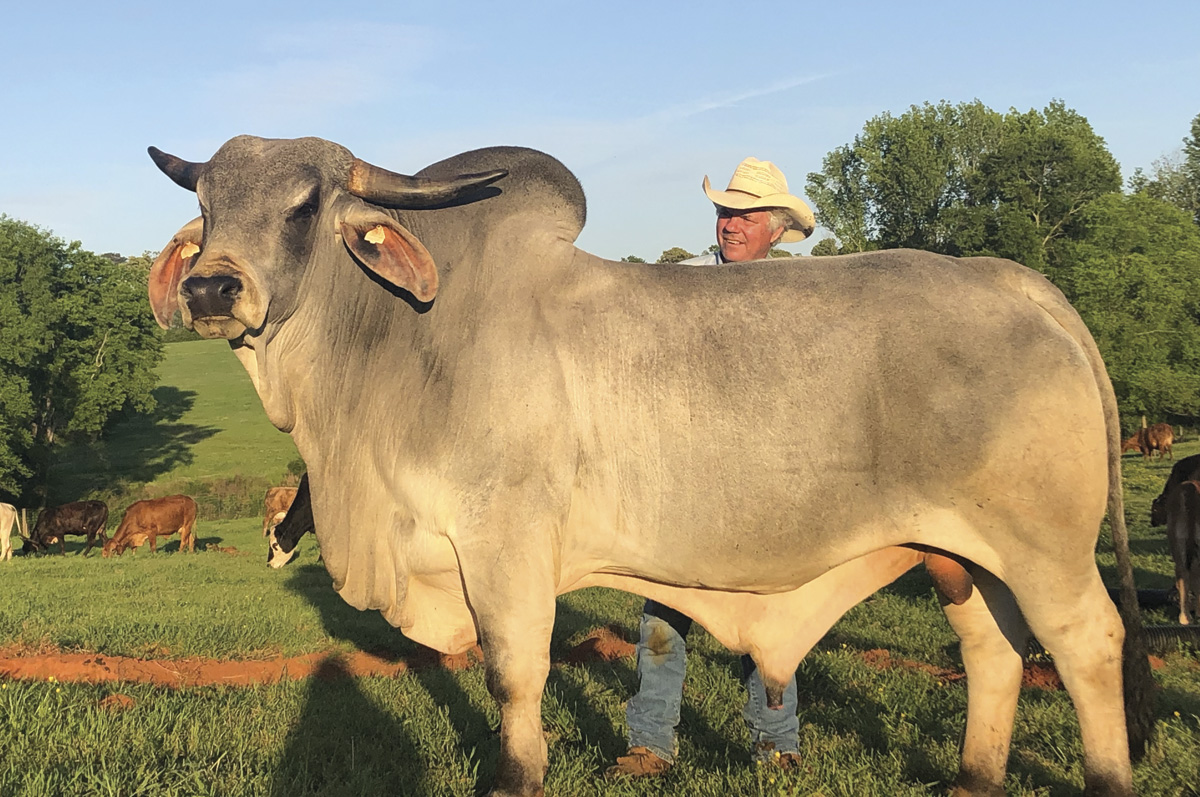
Joseph Egloff hopes his USDA packing plant can help other small producers find a healthy and rewarding work-life balance. Image courtesy of Rocking Chair Ranch Cattle.
The name of Egloff’s business comes from a story related to his father, who wanted to purchase a farm in Mississippi, saying that he would put some rocking chairs on the porch and watch the kids grow up. Unfortunately, Egloff’s father died before he was able to purchase the farm. The name is a tribute to an older generation. Many ranchers find satisfaction and some relief from stress through remembering the generations of ranchers who came before while raising the next generation – and, of course, working cattle.
Egloff’s packing house processes his own cattle, but he also processes animals from other producers. Egloff emphasizes that his slaughterhouse is large enough for the rancher who brings in 10 finished animals every month, but he also can accommodate the small farmer who sells one steer every few months.
“The small farmer is what is important,” says Egloff, stating the belief that the smaller producer is the backbone of the beef industry.
Although stress and a sense of humor exude from Egloff’s voice when he speaks about his business, his obvious love for cattle and concern for other ranchers might be what makes the stress balance out on Rocking Chair Ranch. Having access to a USDA slaughterhouse is key for any rancher’s survival, and Egloff is proud that his business provides that access.
“I would like to see more small farmers be sustainable,” says Egloff.
Have passion and organization
Jocelynn VanBokkelen is a small-scale beef producer from southern New Hampshire who knows all about maintaining a positive work-life balance. Although she produces a modest amount of beef each year, like many farmers and ranchers, she has more than one job on her plate.
“If you add up all the jobs I have, it’s like three-and-a-half jobs,” she says.
VanBokkelen has a clergy role, boards horses and is landlord to some vegetable farmers, among other responsibilities. She makes it all work by being as organized as possible.
“You have to love what you’re doing,” she says. “You’re not going to love every minute of it, but you have to love the idea of it.”
The combination of time and people management and a passion for the job is what makes her operation successful.
VanBokkelen is also candid in saying that the beef operation is a small portion of her overall income.
“Farming is not an easy thing,” she says. “When I look at it from the perspective of the cost of the inputs … People just don’t understand the cost of food.”
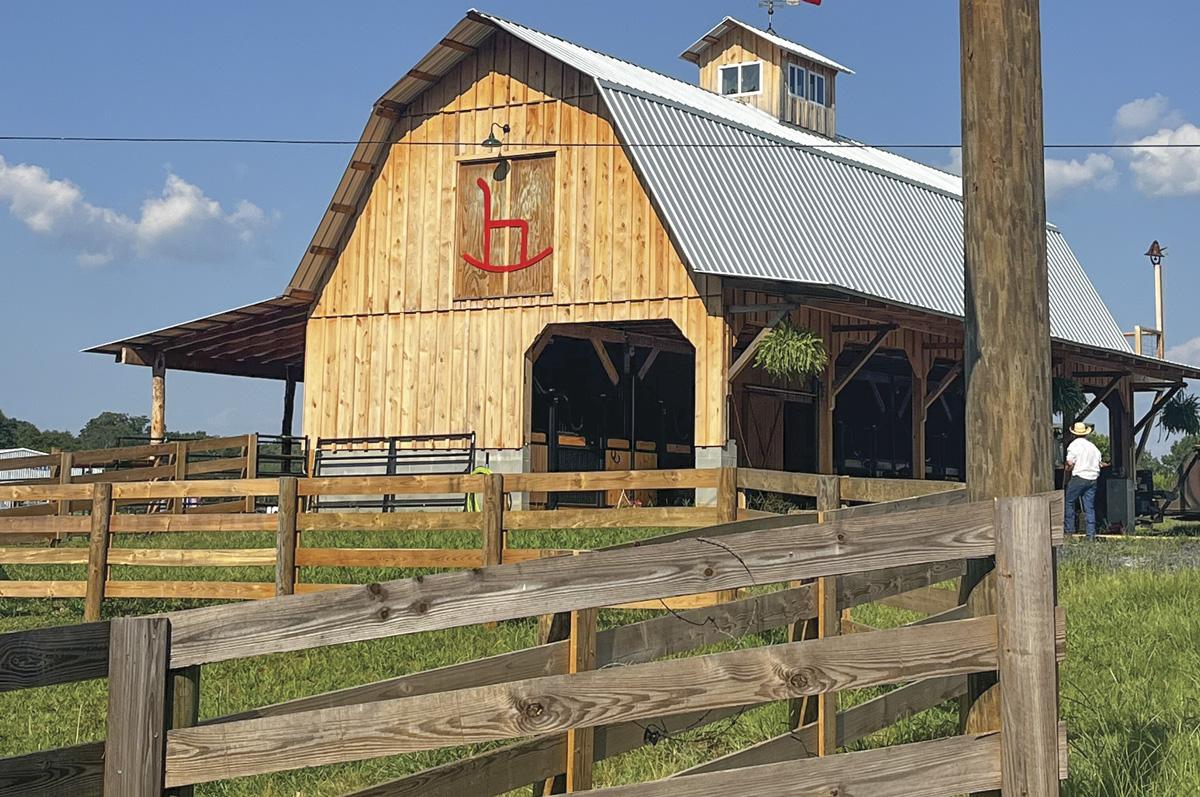
With Rocking Chair Ranch, Joseph Egloff is carrying out a dream his parents had of raising kids and cattle together on healthy land. Image courtesy of Rocking Chair Ranch Cattle.
Build a strong support network
Many ranchers – both large and small operations – would agree that the financial demands of being a beef producer often have the potential to destroy a positive work-life balance.
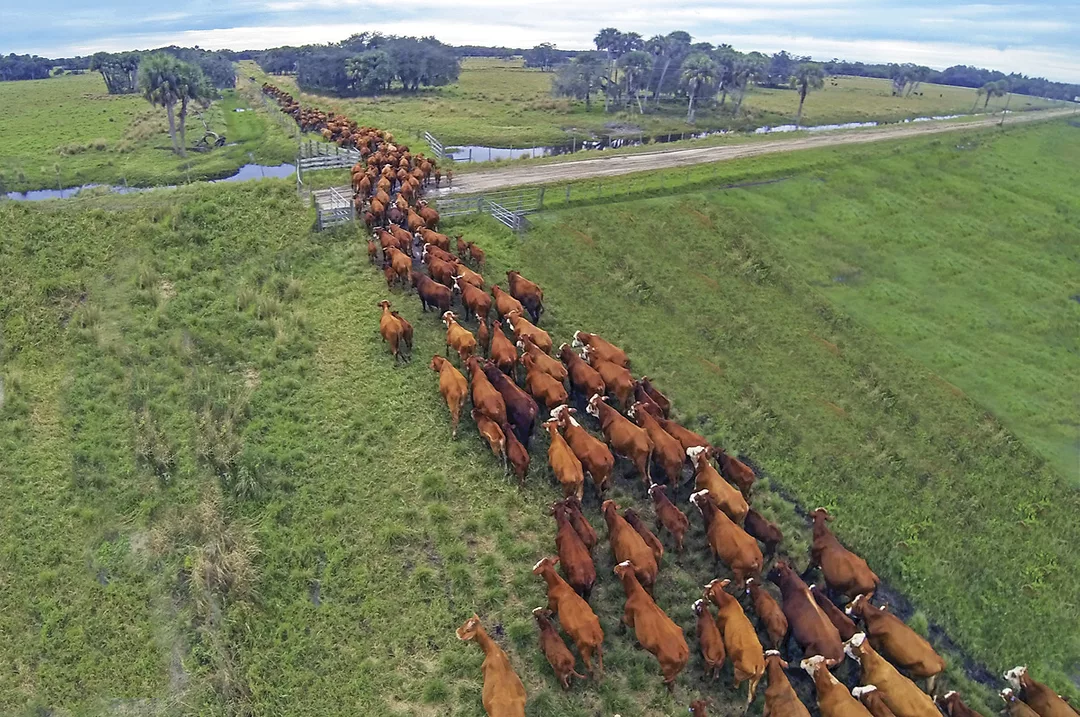
Mike Adams of Adams Ranch in Florida is a larger beef producer with 7,400 cow-calf pairs on 45,000 acres of pasture. Adams emphasizes that having a good plan, a good routine and the support of family makes the balance of work and life truly balanced.
It doesn’t hurt that beef and cattle prices are currently high. “It’s pretty amazing right now,” says Adams.
Even so, things always come up on a farm or ranch. “It’s like this weekend,” Adams says as an example. “A couple odd things happened this weekend. A well pump went out.”
Adams recognizes that the flexibility of his family makes the whole thing work. He also recognizes that because he and his family have been doing it so long, they have a routine that works.
“I can keep a pretty regular schedule,” says Adams.
On Adams Ranch, there is no need to feed hay. Even with relatively high cow numbers, taking care of the cows is not super labor-intensive; there are only roughly 17 employees. Where labor gets to be more of an issue is selling directly to the consumer. Adams Ranch sells roughly half of its product to Whole Foods, but they also have a meat shop on the ranch and sell directly to consumers. As with any business, labor needs can add stress. Adams Ranch is thriving despite all the challenges.
The endless work on a ranch or farm will always be a challenge. The antidote to having trouble finding the right balance lies in planning, organization, resources and having a strong network of support.
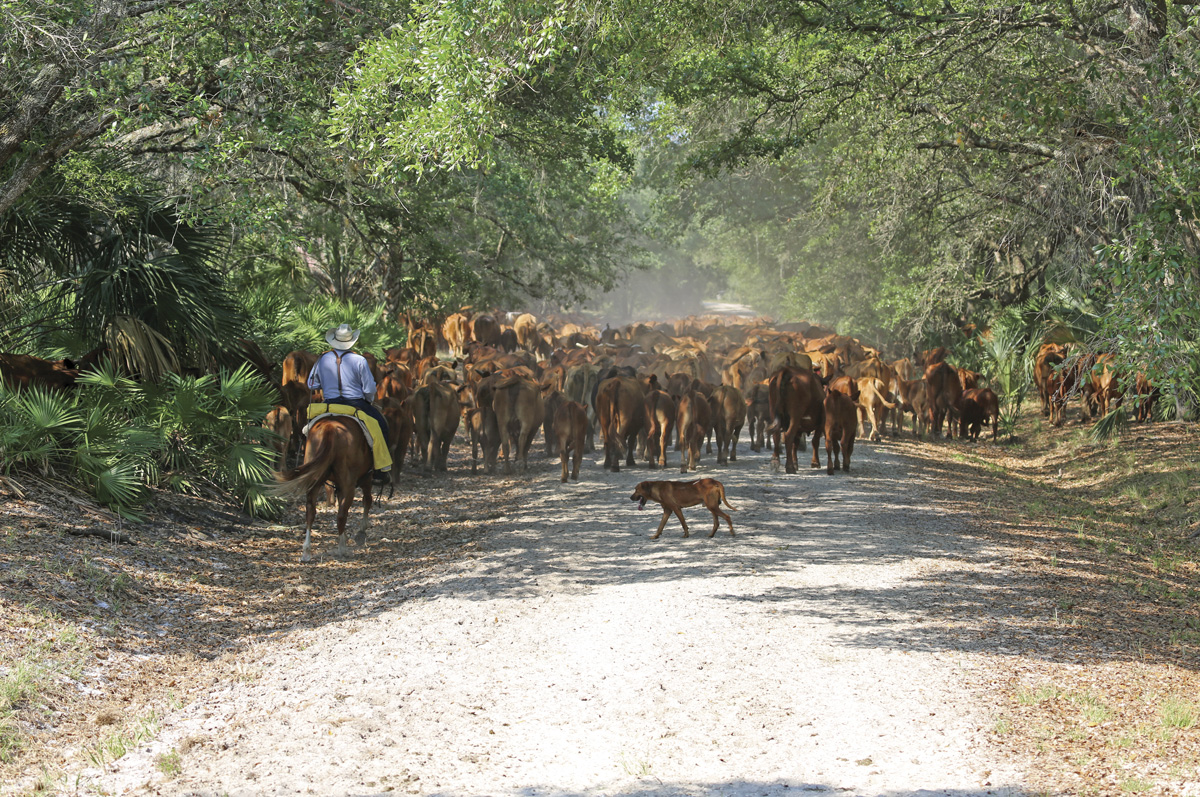
Image courtesy of Adams Ranch.