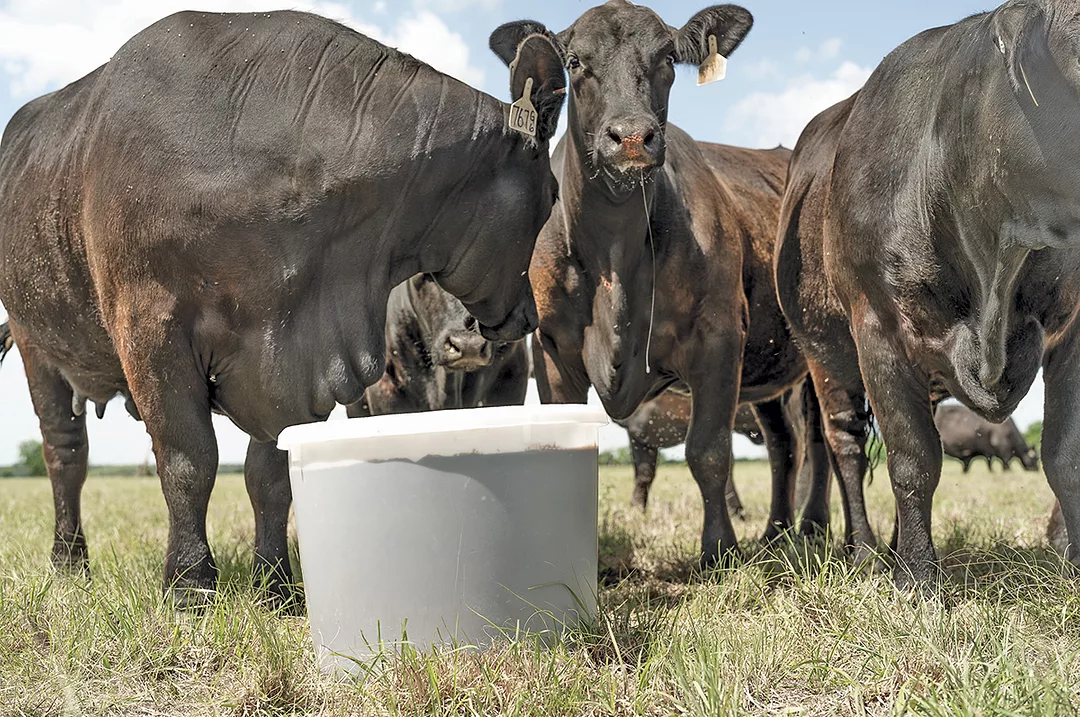
A well-balanced mineral and vitamin program is the foundation for healthy, productive and profitable cattle. However, when specific challenges arise, the strategic use of mineral additives can provide targeted solutions.

Why? Additives serve as powerful tools to fine-tune nutrition, helping to address challenges from immune function and hoof health to parasite control. These ingredients, when paired with a quality mineral program, can help producers push performance further while supporting herd health.
Here are four reasons to consider additives when evaluating your mineral program.
1. Extend support by enhanced trace minerals levels
Most trace minerals required by cattle are found in standard mineral products around the country. However, specific situations may require targeted supplementation to correct trace mineral deficiencies that can occur or overcome antagonists that hinder mineral absorption.
For example, a trace mineral pack containing copper, zinc, manganese and cobalt can help with skin and hoof health, growth, immunity, reproduction, milk production, digestion and metabolism.
Cattle grazing rapidly growing spring and summer pastures are at risk of grass tetany due to low blood magnesium. Magnesium is critical for nerve and muscle function, and deficiencies can lead to serious health issues. Feeding a high-magnesium mineral starting a month before turnout helps build magnesium stores and meets cattle’s needs when grasses are low in absorbable magnesium.
In regions with naturally low-selenium soils, cattle face a greater risk of white muscle disease, poor weight gain and reduced reproduction and immunity. Adding organic selenium, such as selenium yeast, to mineral and vitamin programs improves bioavailability and helps meet nutritional needs.
Iodine is an important mineral for foot integrity and helps with the prevention of foot rot. Ethylenediamine dihydroiodide (EDDI) is a highly bioavailable iodine source. The addition of high levels of iodine in combination with zinc can be effective in helping to reduce the incidence of digital dermatitis, a common foot ailment in cattle.
Zinc supplementation through complexed zinc or organic zinc sources, like zinc methionine, has been shown to enhance reproductive performance and health through its role in immune function, growth and fertility.
2. Control pesky horn flies
An effective method to combat horn fly infestations is feeding an insect growth regulator (IGR) in mineral products. As cattle consume loose or tub mineral supplements containing a feed-through fly control additive, it moves through their digestive system and is excreted in manure, where IGR interrupts the horn fly life cycle by stopping pupae from maturing into biting adults.
A well-managed program can effectively reduce horn fly populations to fewer than 200 flies per animal and limit the estimated $1 billion annual production losses for the U.S. cattle industry. Combining feed-through IGR supplementation with good pasture management and targeted fly control methods as needed (tags, sprays, dusters, etc.) helps keep fly populations under control.
3. Combat anaplasmosis
Some situations have limited additive solutions, as is the case with anaplasmosis. Cattle producers have one antibiotic additive available to feed in loose mineral, chlortetracycline (CTC). This tool is used for the control of active anaplasmosis infections and requires a veterinary feed directive (VFD).
It is typically fed to cattle grazing pastures during the summer and fall when there is a risk of contracting anaplasmosis via ticks and flies. Contact your veterinarian before determining whether to use antibiotics or medicated feed additives and to obtain a VFD.
4. Enhance rumen microbial development
Keeping rumen microbes fed and growing is key to performance and health. Rumen microbes include the protozoa, bacteria and fungi that live inside the rumen, and there are more than a quadrillion (1,000,000,000,000,000) rumen microbes per cow.
Ionophores are FDA-approved feed additives that can be used to improve feed efficiency, control digestive disorders like acidosis and bloat, and control coccidiosis. Ionophores shift the rumen microbial population to favor bacteria that produce propionate, a more energy-efficient energy source for cattle. Both monensin and lasalocid are safe and effective ionophores that can be added to a mineral program for enhanced performance and health.
Probiotics, prebiotics and postbiotics are often implemented to support rumen microbes:
- Prebiotics feed rumen microbes and are added to nourish beneficial bacteria essential for digestion and nutrient absorption.
- Probiotics alter the microbial population by advancing the growth of beneficial rumen microbes to stabilize rumen pH, enhance fiber digestion and improve overall nutrient utilization.
- Postbiotics are added to better support energy metabolism and gut health.
These additives also commonly serve as alternatives to antibiotics because they are proven to positively influence animal health and performance. Other adjacent ingredients and compounds in this class are fungal, yeast, bacterial and enzyme additives.
Not all mineral is equal
A common misconception is that all mineral programs are created equal. A balanced mineral supplement includes all 14 essential minerals required by cattle for optimal health and performance. Assessing both the ratio of these minerals and how readily cattle can absorb them (bioavailability) helps determine if the supplement meets nutritional needs, which can vary based on regional soil and forage conditions, as well as the animal’s stage of production.
Key to additive implementation is providing a mineral product that cattle will consistently consume. A 2023 study from North Dakota State University showed that when cows consistently consume a quality mineral balanced for their needs, they’ll produce 50% more colostrum and wean calves 36 pounds heavier.
Look for a mineral product with the following parameters:
- Palatability: Ensuring cattle consistently consume mineral supplements is essential for delivering the required daily intake of key nutrients, including vitamins and minerals.
- Bioavailability: Not all mineral sources are equally absorbed by the animal. The source of minerals matters. Although organic and complexed mineral sources are more expensive, they are more readily utilized by the animal and can benefit herds with marginal trace mineral status, ongoing health or reproductive challenges, or in regions where water quality or forage conditions may limit mineral absorption.
- Weatherability: Formulations with larger particle sizes and weatherproof properties help minimize losses caused by wind and precipitation, improving product efficiency and reducing waste.
A quality mineral program should check all those boxes. Investing in a balanced mineral program, where cattle consume it consistently and absorb the nutrients, can help stand up to the challenge of meeting cattle’s vitamin and mineral requirements 365 days a year. Then, when additives are paired with your mineral product to address specific situations, cattle and your operation gain even more benefit.
Work with your nutritionist to identify which additives will work best for your cattle mineral program.
References omitted but are available upon request by sending an email to the editor.