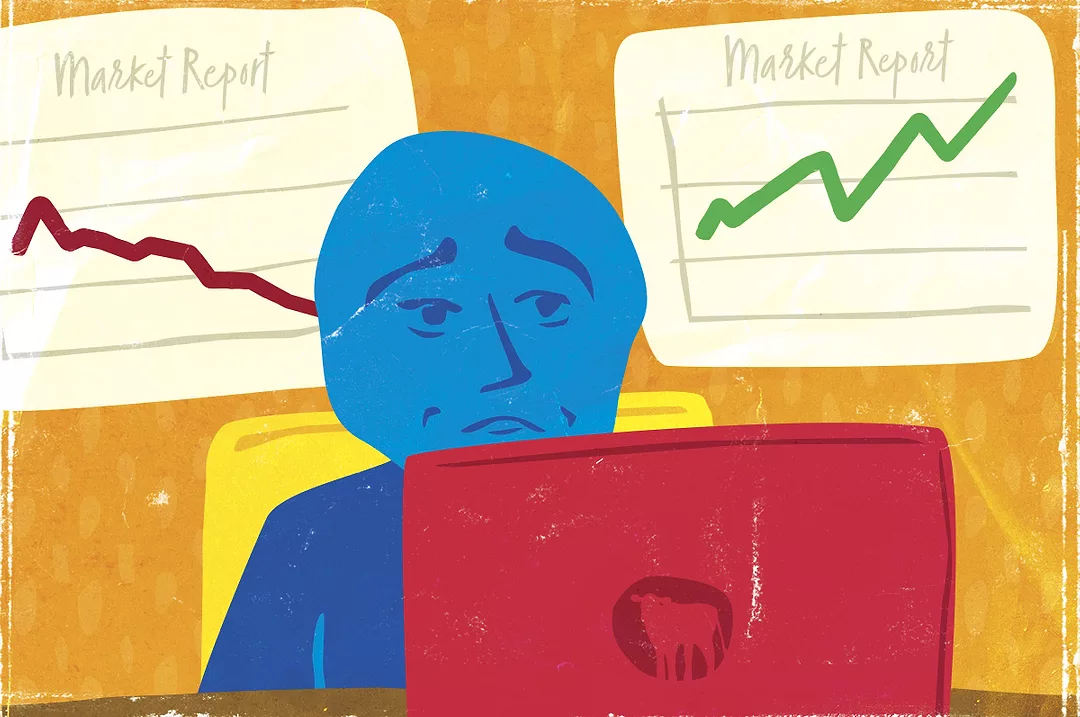
On the typical cow-calf operation, managing calf growth and health can be a significant challenge, especially when market conditions fluctuate. Whether the market is strong as it has been recently or in a slump, the health and growth of calves are critical to long-term success. Producers need to adapt their strategies to ensure they maintain profitability as best possible.

Many producers are asking the question, “Given the strong markets right now, what should I be doing to take advantage of this opportunity?” This article will explore some differences in managing calf growth and health during high and low markets, and provide some practical tips for producers to consider.
High markets: Maximizing profitability
In any market, but particularly in markets as high as they are now, the goal is to maximize profitability while maintaining performance. The increased demand and higher prices can provide an opportunity to invest in practices that can boost growth rates and improve overall herd quality long term.
- Invest in quality nutrition. Investing in better-quality feed and supplements can lead to better and more efficient growth rates and healthier calves. High-quality nutrition, including quality forages and well-balanced feeds and supplements, can improve weight gain and immune function. Producers should work with a nutritionist to develop a feeding program that meets the specific needs of their cows and calves to optimize growth and health.
- Focus on herd health programs. With higher market prices, it is easier to justify spending on more comprehensive health programs. Proactive vaccinations, deworming and regular health checkups are essential to prevent diseases, reduce vet expenses and promote growth. Producers should implement a sound herd health plan, including biosecurity measures to prevent the introduction of new pathogens.
- Enhance breeding practices. Strong cattle markets allow producers to invest in superior genetics. Using high-quality bulls and implementing advanced breeding techniques such as artificial insemination (A.I.) can lead to better-performing calves. Producers should focus on selecting genetics that enhance growth rates and feed efficiency. This is also a good time to cull poorer-performing cows (inconsistent breeding, lower weaning weight calves) in favor of better-producing replacements.
- Optimize calf management. During high markets, producers can afford to invest in better facilities and management practices. Providing clean, comfortable, stress-reducing facilities with proper ventilation, particularly for calving in winter months, can significantly impact calf growth and health.
- Improve stress management in terms of facilities and nutrition. This is a good time to invest in lower-stress handling facilities, increased shade or shelter in pastures where either may be lacking. Improved watering facilities are always helpful. As noted above, better nutrition can improve growth and health performance, but it can also help reduce stress, especially during periods of heat, cold, wet, mud, snow, etc.
Low markets: Reducing costs without giving up performance
In low markets, the focus shifts to reducing costs while still maintaining performance. This requires careful planning and strategic decision-making to ensure the herd remains healthy and productive without incurring excessive expenses. There is less wiggle room here to ensure profitability is maintained or at least that potential losses are minimized.
- Optimize feed efficiency. During low markets, it is crucial to maximize feed efficiency. Producers should evaluate their feeding programs and look for ways to reduce waste and improve feed utilization. This may involve using alternative feed sources, optimizing grazing management and implementing feed testing to ensure rations are nutritionally balanced. Evaluate all supplements to ensure the best value. This should be done at least yearly but preferably more often, as both the cattle and feed markets are a moving target.
- Prioritize preventive health measures. Even in low markets, preventive health measures should not be neglected. Preventing disease is often more cost-effective than treating sick animals and certainly more cost-effective than dealing with death losses. Producers should continue to follow vaccination and deworming protocols but may need to prioritize based on risk and cost-effectiveness. Regular health monitoring can help detect and address issues early, reducing the need for expensive treatments.
- Focus on cost-effective breeding. In low markets, producers should focus on maintaining herd genetics without incurring higher costs. This may involve using natural service with proven bulls instead of more expensive and labor-intensive A.I. Producers should still prioritize selecting bulls with good health and growth traits to ensure the future success of their herd. Keep in mind that good reproduction and calf management, resulting in more calves at weaning time, outweighs typical increases in weaning weights. But both are even better.
- Streamline calf management practices. Producers can reduce costs by streamlining calf management practices. This may include using existing facilities and pastures more efficiently, minimizing labor costs and focusing on practices that have the most significant impact on calf growth and health. For example, reducing overall stress levels can help prevent health issues and promote growth without significant investments.
Adapting to market conditions
Successful producers are those who can adapt their management practices to suit market conditions. Whether in high or low markets, the key is to balance costs and investments with the needs of the calves. Producers should regularly review their management strategies, stay informed about market trends and be willing to adjust as needed.
- Monitor market trends. Staying informed about market trends and forecasts (for both cattle and feed) can help producers make proactive decisions. By understanding market dynamics, producers can plan their investments and cost-cutting measures accordingly. Industry reports, market analysis and networking with other producers can provide valuable insights.
- Develop a contingency plan. Having a backup plan in place can help producers navigate market fluctuations. This plan should outline steps to take in both high and low markets, including strategies for managing cash flow, adjusting feed programs, managing drought and maintaining herd health.
- Utilize technology and data. Even the smallest of cattle operations generate a lot of data if collected. Producers can benefit from leveraging technology and data to improve decision-making. Tools such as scales, herd management software, precision feeding systems and health monitoring devices can provide valuable insights into what is happening within groups of cattle or across the entire herd. By using data to track performance and identify trends, producers can make more informed decisions and optimize their management practices.
- Seek professional advice. Working with industry professionals such as veterinarians, nutritionists and extension agents can help producers develop effective management strategies. These experts can provide tailored advice and support to address specific challenges and opportunities.
The take-home lesson
Managing calf growth and health requires a dynamic approach that considers fluctuating market conditions. In high markets, producers should focus on maximizing profitability through strategic investments in nutrition, health programs, breeding practices and management improvements. A major focus should also be debt reduction. In low markets, the emphasis shifts to cost reduction without compromising calf health, optimizing feed efficiency, prioritizing preventive measures and streamlining management practices.
By staying informed, adapting proven strategies and utilizing effective technologies, producers can navigate the challenges of fluctuating markets while ensuring the health and growth of their calves. Taking a long-term, balanced approach will help maintain the sustainability and profitability of operations, regardless of market conditions.