As the colder months approach, it is crucial to prepare dairy barns for winter conditions. A major component of this preparation is winterizing the ventilation system. This includes completing maintenance tasks and covering unused equipment.

Ventilation systems play a pivotal role in maintaining an optimal environment, and their operation is especially sensitive during the winter months. This article will walk through the importance of winterizing your barn's ventilation system and provide a step-by-step checklist to help get the job done thoroughly and efficiently.
Why winterizing ventilation equipment matters
During winter, the goals of barn ventilation shift. Instead of removing excess heat, the focus turns to controlling moisture, preventing condensation and ensuring adequate air exchanges to manage ammonia and pathogens, according to Michigan State University Extension. Ensure your winter fans are performing properly by completing adequate maintenance. Poorly maintained or unprepared fans can cause issues such as ice buildup, mechanical failure, drafts, poor fresh air distribution and heat loss, all of which negatively affect cow comfort and productivity.
Properly winterizing ventilation fans and systems helps:
- Protect equipment from harsh weather conditions like snow, ice and freezing rain
- Improve energy efficiency by reducing the need for unnecessary fan operation
- Prevent cold air infiltration that can chill animals and hinder intended airflow
- Maintain proper air exchange rates and fresh air distribution to avoid respiratory issues
- Minimize emergency repairs during the winter months
Winterizing your dairy barn's ventilation system is more than just a seasonal chore; it is a proactive step to protect both your equipment and your herd. Proper cleaning, inspection and preparation can help avoid costly downtime, emergency repairs and lost productivity.
By following a structured checklist and understanding the rationale behind each task, you’ll ensure your barn is ready to face the challenges of winter, keeping your cows comfortable and your operation running smoothly.
Winter maintenance checklist
The winterization process begins with maintenance. Every component of the ventilation system, including supportive cooling systems, must be cleaned, inspected, repaired and protected. Below is a detailed breakdown of maintenance activities to include.
1. Fan maintenance
Belt drive fans are common in dairy barns and require specific attention due to their components. Here is what to inspect and clean:
- Check belts. Ensure all belts are intact, properly tensioned and free of cracks or wear. Replace any belts that show signs of aging.
- Inspect tensioner pulleys and arms. Make sure they are functioning smoothly and not causing uneven belt wear.
- Clean shutters and louvers. Dirt and debris buildup can hinder airflow and freeze in cold temperatures. Clean all exhaust fan shutters (such as AFRs), inlet fan louvers (like PPFs) and circulation fan louvers (like ECVs).
- Clean fan blades. Buildup on blades reduces efficiency and can cause imbalance or vibration. Inspect for any damage and remove any debris or residue.
- Clean sensors. Ventilation systems often rely on sensors for temperature, humidity and ammonia. Wipe down and inspect these for accuracy and corrosion.
- Protect motors during cleaning. Most motors are not rated to withstand power-washing. When washing components, shield motors to prevent moisture intrusion, which could lead to electrical failure or corrosion.
Direct drive fans may be simpler than belt drive fans, but they still require routine care:
- Clean shutters, louvers, blades and housing. 1/10-inch of debris can cause as much as a 20% loss on fan efficiency. Remove all debris to ensure each fan’s proper performance.
- Inspect fan blades. Remove debris buildup and check for damage.
- Clean connected sensors.
- Protect motors. Use waterproof coverings during any cleaning process to keep electrical components safe.
2. Curtains and curtain systems
In many naturally ventilated barns, curtains play a big role in airflow control. Malfunctioning or damaged curtain systems can lead to poor ventilation and cold stress.
- Inspect drive systems. Make sure the motor, cables and pulleys operate correctly.
- Check bird mesh. Broken or torn mesh can snag the curtain during movement, leading to costly repairs.
- Remove debris. Clean curtains and clear any debris from the curtain area to prevent blockages.
- Repair damage. Patch or replace worn or ripped sections before they become a problem.
3. Soaking and misting systems
These systems are essential for summer cooling but must be properly shut down and maintained in the off-season to prevent damage:
- Drain all water lines. Standing water can freeze, crack pipes and cause leaks.
- Inspect nozzles and clamps. Replace any that are broken or worn.
- Clean sensors. Ensure temperature or humidity sensors used in these systems are clean and ready for next season.
- Check wiring. Mice and moisture are common culprits of damage; inspect for chewed wires or corrosion.
4. Review and test your winter ventilation strategy
Once all equipment has been cleaned, inspected and repaired, it is time to adjust your system for winter operation. According to Dairyland Initiative, only four to eight air exchanges per hour are needed in most dairy barns during the colder months, far fewer than the 40 to 60 exchanges needed in summer. Your facility controller should already be set up for staging – review the settings and ensure they match your staging plan. If your system is under manual operation, follow your staging protocol to see which fans will remain online during the winter.
Steps to take:
- Evaluate which fans are essential. Identify fans necessary to maintain airflow in the freestalls, holding pens, milking parlors or other critical areas.
- Shut down unused fans. Power off any fans that won’t be needed until spring.
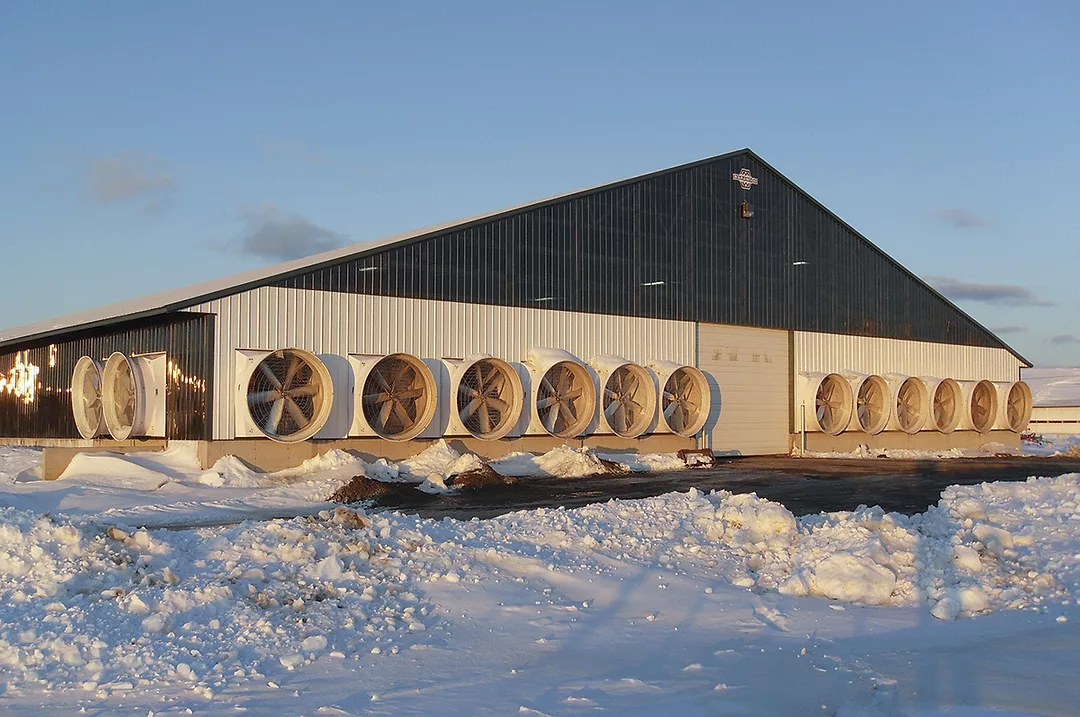
- Install winter covers (optional but recommended). On the exterior-facing side of the unused fans, install insulated or waterproof covers to protect them from snow, ice and wind. These covers also help block cold air drafts that can chill animals and disrupt barn temperatures.
- Seal inlets. Make sure unused air inlets are sealed or covered to prevent uncontrolled air leaks.