Sometimes it seems as if beef producers are faced with a million details to attend to in order to make a ranch successful and the cattle happy and healthy. Selenium is one of those details.

Selenium is a micronutrient essential for the health of many animals, including humans and cattle. It is deficient in some parts of North America and overabundant in others.
Bruce Waugh of Cannon Valley Ranch in Goodhue, Minnesota, recognizes that problems with selenium can be serious. “It’s a very localized issue,” he says, adding that his part of the state is recognized as selenium-deficient but may not be quite as deficient in the essential mineral as other parts of the country.
Cannon Valley Ranch has been in the business of raising Angus cattle for decades. They added Akaushi cattle to the business plan in more recent years. Waugh states that, while the ranch really hasn’t had a specific problem in many years, they do keep potential problems in mind. With his wife, Leeann, being a beef nutritionist, the ranch has its bases covered.
Like many other beef producers across North America, Cannon Valley uses selenium yeast. Some producers feel that selenium yeast is more readily absorbed by animals, though the jury is still out on whether that is true. The other option is inorganic selenium. Bruce Waugh says he prefers the selenium yeast because of possible dangers with contaminants in inorganic selenium, depending on where it is sourced.
An acute selenium deficiency in beef cattle is not pretty; it can result in white muscle disease (WMD). When an animal is not getting enough selenium, various muscles – including the heart – do not develop properly. In some cases, a perfectly healthy-seeming calf will suddenly develop acute distress and die because of heart failure. To avoid the loss and trauma of WMD, every producer should have a plan that fits the locality and soil of their particular ranch.
One product many beef producers use to combat selenium deficiency is Bo-Se, an injectable solution of selenium and vitamin E manufactured by Merck and administered subcutaneously. Injectable selenium must be prescribed by a veterinarian. Consult with your vet to determine the best way to make sure your cattle are getting the right amount of selenium.
Robert Wells is an animal science professor at Texas A&M University – Kingsville. He has spent many years consulting with ranchers to ensure they have success and raise healthy cattle.
“We [in most parts of Texas] are not in an area where we need to be concerned about selenium,” Wells says. “We are neither deficient nor toxic.”
The truth is, some parts of North America actually have too much selenium. In a well-known case in the San Joaquin Valley in California, selenium from farm runoff poisoned wildlife in a nature preserve, resulting in birth defects and death in native bird populations.
Wells’ part of the country is in a safer position.
“Typically, our soils are pretty strong,” he says of the mineral content in Texas ground. “We don’t have to worry about it.”
New England is the opposite; it's a severely selenium-deficient part of the country. However, even within New England, selenium varies from ranch to ranch and farm to farm.
Krisanne Koebke and her husband, Jim, have a beef farm in Dudley, Massachusetts, near a good market but also in a part of the country known to be deficient in selenium. As former dairy farmers, the Koebkes routinely gave selenium shots to their dairy calves. Now, after raising beef for 12 years, they find that they haven’t had to supplement with selenium. They provide Redmond salt to their herd, but nothing else to specifically treat a lack of selenium.
“We haven’t had any issues,” says Koebke.
The Koebkes’ experience highlights the fact that a plan to treat selenium deficiency must be specific. In their case, they had been giving shots to dairy animals to ensure reproductive success. Selenium deficiency doesn’t just cause WMD; it can also hinder breedback, which is usually a more acute problem in a dairy herd than in a beef herd. Now that the goals of the farm have switched to beef production, the Koebkes’ selenium treatment plan has also changed.
“We haven’t had problems with the beef cattle,” says Koebke.
Southern Idaho is another place that suffers from selenium deficiency. University of Idaho Extension Specialist Cindy Kinder says that it can certainly be a problem with cattle production in her part of the state.
“Sometimes calves are born extremely weak, or they have muscle atrophy,” says Kinder.
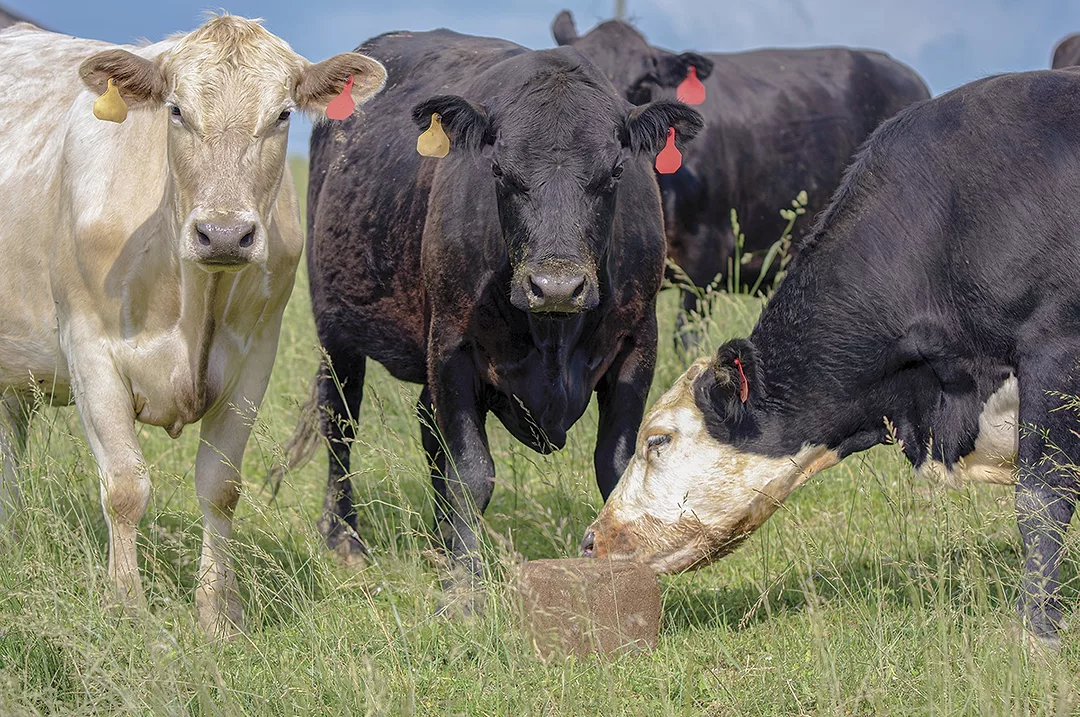
In southern Idaho, Kinder recommends that beef producers offer a salt block that includes the proper amount of selenium. She also emphasizes that care must be taken to avoid toxicity when making a custom mix of selenium.
“We can only put so much in,” she says. She also notes that many producers give a multimineral supplement that contains selenium.
Dan Buskirk is a professor and beef specialist at Michigan State University.
“We’re blessed with all sorts of natural resources in Michigan, but trace minerals isn’t one of them,” he says. Michigan is also selenium-deficient. For treating the problem, “I really like a loose mineral,” says Buskirk.
Buskirk also makes the point that, whatever way selenium is being delivered, it can sometimes be difficult to know how much selenium each individual cow is getting.
“It’s usually a consumption problem,” he says. “We need to make sure the cows are consuming what they need.”
Buskirk emphasizes the attention that must be paid to a mineral mix's content, quality and accessibility to cattle.
As with many issues associated with producing beef, selenium deficiency can’t be ignored. Consult your vet or extension specialist to make sure your cattle are getting the amount of selenium they need.