When the first cold winds roll across the fields and frost coats the barn roof, every farmer knows what is coming – long nights, unpredictable storms and the constant pressure to keep everything running smoothly no matter what the weather brings.

For farmers and dairy producers, reliable power isn’t just a convenience – it is the backbone of the operation. Every light, pump, heater and milking system depends on a consistent supply of electricity. When a winter storm knocks out the grid, even for a few hours, it can put livestock health, milk quality and business operations at serious risk. That is where dependable generator service becomes critical.
When the power fails, the farm can’t wait
Power outages in rural areas can last longer than those in towns or cities. Downed lines, frozen poles or damaged transformers can take hours – sometimes days – to repair. In that time, a dairy farmer can lose thousands of dollars in spoiled milk or suffer production setbacks that ripple for weeks.
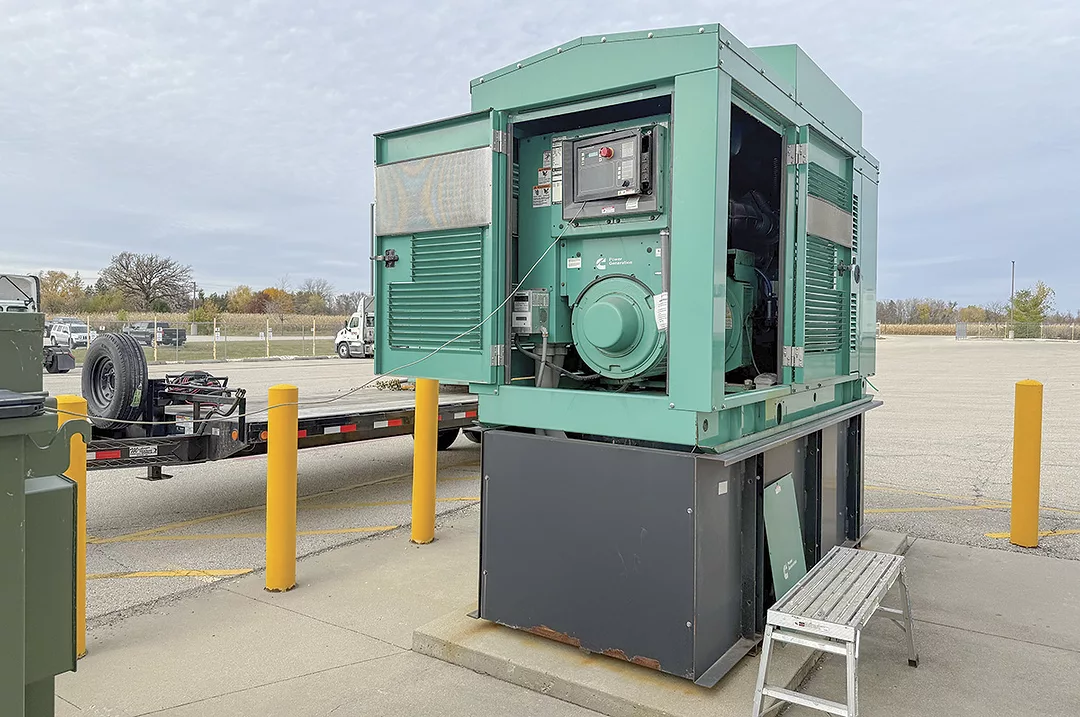
A properly maintained standby generator ensures that doesn’t happen. Within seconds of a power failure, it can automatically start up and restore electricity to essential systems – milking parlors, water pumps, feed mixers, ventilation and heaters – keeping both animals and workers safe and productive.
But just owning a generator isn’t enough. Generators, like any piece of farm machinery, require regular care and professional servicing. Without it, cold weather and neglect can cause them to fail when they are needed most.
Why winter hits harder on the farm
Winter brings a unique mix of challenges for generators. Cold temperatures thicken oil and fuel, making engines harder to start. Batteries lose cranking power, fuel lines can freeze and moisture can build up in electrical components.
On top of that, snow and ice can block exhaust vents, freeze sensors or create condensation inside control panels. All of these issues can stop a generator in its tracks – unless it is properly inspected, cleaned and prepared ahead of time.
Scheduling service before the first big freeze gives technicians time to identify potential issues and make adjustments before the weather turns severe.
Essential pre-winter maintenance steps
Servicing your generator before winter weather hits is one of the smartest investments you can make. A comprehensive maintenance plan should include:
- Oil and filter replacement. This ensures that the oil is full and filters are fresh and ready for extended outages.
- Battery testing and replacement. Batteries lose up to 50% of their strength in freezing temperatures. Testing and replacing on a three-year schedule can ensure that the batteries are going to be strong for starts in the coldest of days this winter.
- Fuel system care. Diesel fuel can gel in the cold. A professional technician will check for water, debris and add proper fuel additives to prevent clogging. A good service plan will include fuel samples that will check for moisture in your fuel tank and anything that can cause the fuel to gel in the cold temperatures.
- Coolant and block heater inspection. Coolant protects the engine from freezing and corrosion. A block heater keeps the engine warm and ready to start on short notice. Coolant helps protect the engine and cooling system components. The block heaters are designed to keep the engine 100ºF or more so when the power fails the entire operation can be up and running on generator with minimal downtime.
- Load bank testing. This simulates real electrical demand to confirm your generator can handle the load required for milking systems, lighting and climate control. Load bank testing is one of the best things for generators to make sure they are tested up to the name plate ratings of the generators for an extended amount of time (typically two or four hours).
- Transfer switch testing. The automatic transfer switch (ATS) is what makes your system automatic. It must be inspected and tested to ensure it switches power quickly and safely during an outage. Completing a loaded test of the transfer switch monthly is recommended to verify the entire system is working. If the transfer switch doesn’t work, the entire system does not work. Yes, doing a transfer test can disrupt your operation, but I would rather have a flicker in the lights than a complete outage. The power usually fails at the least convenient times, like Christmas Eve or when you’re not available to assist.
Regular service like this keeps your generator in peak condition and ready to perform when winter hits hardest.
Professional service: A partner in reliability
While some basic maintenance can be handled on-farm, professional generator service provides peace of mind that every component – from wiring to voltage regulation – is functioning properly. Certified technicians have the tools, training and experience to detect early signs of wear or damage that a quick visual check might miss. Their preventive maintenance programs are designed to keep rural operations running no matter what nature throws at them.
Routine service visits include comprehensive testing, fluid analysis, fuel polishing and priority support during outages – essential coverage when downtime simply isn’t an option.
With a maintenance contract in place, you’re not just buying a service call – you’re buying confidence that your farm can weather any storm.
Protecting livestock and product quality
For dairy operations, even a short power loss can cause major problems. Milking systems rely on consistent electricity for vacuum pumps, compressors and refrigeration. If those systems stop, milk can spoil quickly, and the stress of missed milkings can affect animal health and production for days afterward.
Ventilation is another critical factor. Without power, barns can become cold and damp, increasing the risk of respiratory issues and illness in livestock. Water systems, heaters and automated feeders also depend on electricity. A generator that fails at the wrong moment can disrupt your entire operation.
That is why professional maintenance isn’t just about protecting equipment – it is about protecting your herd, your product and your livelihood.
Be ready before the storm
Many farmers across the Midwest and beyond can recall a time when a winter storm tested their backup systems. In some cases, a well-maintained generator ran for several days straight, keeping a dairy parlor fully functional while neighbors waited for utility power to return. In others, neglected units failed due to frozen fuel or dead batteries – leading to lost production and emergency repairs that could have been avoided.
Those stories serve as powerful reminders: Preparation pays off.
A generator is more than an emergency backup – it is an investment in continuity, productivity and peace of mind. For many producers, it is as essential as a reliable tractor or feed mixer.
By scheduling pre-winter maintenance and working with trusted professionals, you are ensuring your operation has the power it needs when conditions are at their worst.
Winter weather is unpredictable, but your power supply doesn’t have to be. Don’t wait until a storm is in the forecast – schedule your generator inspection and servicing today.
A reliable generator keeps your farm running, your herd healthy and your milk moving. When the next cold snap hits, you’ll be glad you planned ahead.