The hum of the milking parlor begins before sunrise and often does not cease until late in the evening, which is why for many years, dairies have struggled to keep their teams intact. The long hours and repetitive work mean new employees come and go, leaving gaps that threaten efficiency, milk quality and animal welfare. Labor shortages and high turnover remain among the top concerns keeping dairy owners and operators up at night.

In 2026, the challenge is not only finding workers but also keeping them engaged and committed to one of the most vital roles on the farm.
Today’s technology performs best when supported by dedicated and knowledgeable employees. Recruiting and retaining skilled milkers is not about filling shifts; it is about building a team that cares for cows and takes pride in their work. Many dairies are now adopting practical strategies that highlight positive work environments, competitive benefits and clear career paths. These steps help producers secure the people who keep the parlor running and the milk flowing.
Understanding the labor landscape
Across the country, dairies face similar challenges when it comes to staffing the milking parlor. For one operation, the struggle may be hiring qualified labor; for another, it’s turnover that feels like a revolving door. Either way, the impact is immediate – disrupted schedules, stressed animals and mounting pressure on dairy owners. As dairies compete not only with other farms but with entirely different industries, it becomes clear that labor solutions must extend beyond technology. Automation can ease certain tasks, but skilled workers remain at the heart of a dairy’s success.
To address labor shortages effectively, producers must understand why these roles are difficult to fill and what encourages employees to stay. With that foundation, real progress becomes possible.
Attracting the right talent
Imagine scrolling through job listings and seeing the same promises of competitive pay, full-time hours and benefits. For many dairies, this is where recruitment stops and where the challenge begins.
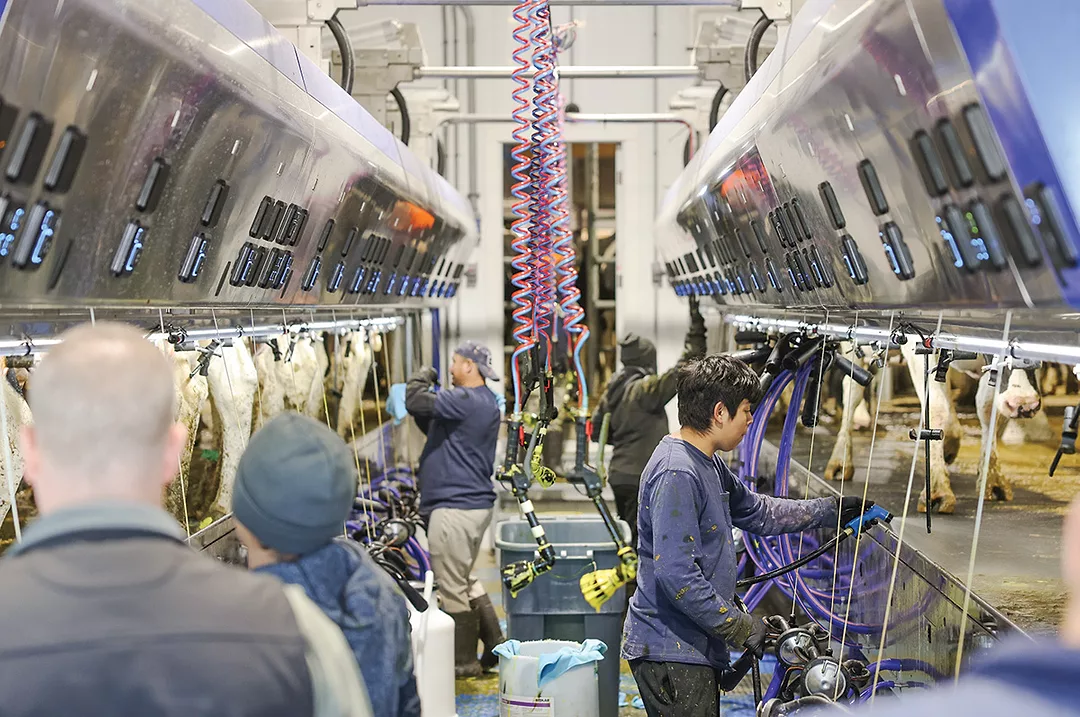
In today’s crowded labor market, standing out means going beyond the basics. Workers have countless options, and capturing their attention requires meeting them where they already are. Some dairies are rethinking how they approach potential employees by using platforms and messages that resonate. Instead of posting a traditional job ad, one dairy shared a short video on social media showing its team working together in a clean, well-lit parlor and talking about why they enjoy their jobs. They highlighted housing assistance, flexible scheduling and a culture of respect. The result? More applicants who were not only looking for a paycheck; they were looking for a place to belong.
Attracting today’s workforce means connecting with what they value: working with technology and animals, maintaining work-life balance and having opportunities for growth. By showcasing positive workplace culture, offering housing or transportation assistance, and promoting career advancement, dairies can shift the mindset from finding a job to building a career. This can help transform the operation into a workplace worth choosing.
Retention and development
Hiring is only the beginning; the real challenge starts after day one. Without clear training, recognition and opportunities for growth, employees often view milking as a temporary job rather than a career. Successful operations are changing that narrative through structured onboarding, thoughtful incentives and development pathways that help employees feel valued. When team members see a future, whether it’s learning new skills or stepping into leadership roles, they are far more likely to stay. Retention isn’t about keeping people in place; it’s about helping them grow.
Many dairies are also incorporating creative approaches that build community and strengthen engagement. Regular monthly team meetings offer a space for communication, feedback and shared goal setting, helping employees feel connected and informed. Fun challenges, such as keeping somatic cell count (SCC) below a target for the month, energizes the team, fosters collaboration and adds excitement to routine work. Celebrating these wins boosts morale and pride.
Employee development extends beyond the farm gate. Bringing in outside experts – extension educators, veterinarians, nutritionists or safety trainers – exposes staff to new ideas and best practices. Supporting employee attendance at industry meetings or workshops shows a commitment to their professional future and brings fresh perspectives back to the dairy. These efforts build confidence, capability and loyalty, turning everyday work into a long-term career path.
Personal growth also begins with managers who listen. Asking team members about their goals and the training they need is essential. Sharing stories of employees who moved from milking roles to working with technology, managing animal health, operating advanced equipment or leading shifts can inspire others and show that advancement is achievable. Setting clear goals, offering meaningful incentives and recognizing hard work all help employees grow into their potential.
Finally, workplace culture matters. Creating opportunities that make the dairy feel more like a traditional workplace, like employee outings, holiday celebrations and team-building activities, help strengthen the sense of belonging and transform the parlor from a short-term job into a meaningful and rewarding place to work.
Innovative approaches
As labor shortages intensify, dairies are reimagining how to connect with potential employees. Instead of waiting for applicants, many are partnering with local high school ag programs and technical schools, inviting students and community members to tour the parlor and learn about technology-driven roles. Others share authentic stories on social media, featuring employees using automated milking systems or monitoring herd health with digital tools. The message is clear: This is not just a job – it is a career that embraces innovation.
Forward-thinking dairies recognize that the next generation values technology, fast-paced environments and modern tools, and they understand that machines cannot replace attentive, knowledgeable human interaction. Innovation is not always about spending more money or adding sophisticated equipment. It is about building a recognizable brand for your operation and becoming a workplace people naturally gravitate toward. These strategies do more than attract new talent; they also educate consumers about how their food is produced, which further embeds the dairies into the community. By sharing success stories and integrating into the community, dairies make themselves visible and relatable. Employing local workers weaves the dairy into the fabric of the community and builds a workforce that wants to stay and contribute to feeding both their neighbors and the world. This kind of branding not only attracts talent – it fosters pride and loyalty, turning a labor challenge into a long-term strength.
In 2026 and beyond, success will not be measured solely by technology or production numbers but also by the skill and dedication of employees who keep cows comfortable and productive. By rethinking recruitment, investing in retention and embracing new approaches, producers are showing the next generation that their business offers more than a paycheck; it offers purpose, growth and pride in feeding the world.