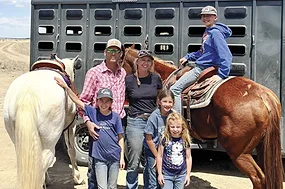
The U.S., like many countries around the world, is facing a continuous decline in its agricultural workforce. The word transition accurately reflects the concern experienced by many cattle producers who recognize their production depends heavily on the availability of labor.

What is happening to the workforce?
The idea that ranching is an occupation passed down from generation to generation no longer reflects the reality of the sector, as evidenced by the average age of the labor force. The lack of interest among younger generations in pursuing ranching as an occupation has raised concerns – not only due to the difficulty of attracting talent but also because of the need to retain it.
It is no secret that many do not see cattle production as an attractive long-term career but rather as temporary employment. As a result, the rapid turnover characteristic of the industry makes it difficult for cattle operations to maintain workers for extended periods.
Having committed employees is essential to preventing negative incidents and ensuring operational efficiency. However, building a strong and reliable workforce requires time and intentional efforts that address the perceived disadvantages of ranching and actively dismantle common misconceptions. Although ranching involves physical effort and constant exposure to environmental conditions, it also offers opportunities for growth, learning and meaningful social contribution. In addition, despite the perception that other industries offer more competitive wages and benefits, many cattle operations are implementing more attractive compensation models – including performance bonuses, job stability and training opportunities – challenging the assumption that the sector cannot compete in terms of well‑being and professional development.
While many of the factors driving workforce decline in cattle production are beyond the control of managers or owners, there are proven strategies that can contribute to building a more sustainable workforce. This article focuses specifically on strengthening employee retention processes, directly benefiting workers and, in turn, promoting operational stability, reducing losses and facilitating production management.
How can we retain the workforce?
Create a sense of purpose
Individuals thrive in an environment that embodies and reflects an authentic purpose; only then can they fully develop it in their own work. New employees should be introduced from the beginning to the vision, goals and production standards of the cattle operation, and they should be able to easily identify how those around them share and model these values. Purpose must go beyond production metrics, incorporating ideals of collective well‑being and connection to values and principles.
Promote active participation
Communication must be bidirectional, allowing workers to actively participate in decisions that directly affect them (such as processes, equipment use or schedules), while providing spaces where they can express their needs and have their achievements recognized. In this sense, a culture of recognition is essential for building a healthy communication environment that reinforces the value of every team member.
Create dignified and competitive working conditions
Everyone seeks to improve their quality of life, which is not solely tied to socioeconomic conditions but also cognitive and emotional ones. While it is essential to offer fair wages, safe working environments and adequate living conditions (when applicable), workers also have needs related to their mental and emotional growth and development, such as opportunities to learn new skills and maintain a healthy work-life balance.
Professionalize personnel management
This requires a comprehensive approach to recruitment and workforce management, beginning with an organized onboarding process that clearly outlines responsibilities and expectations. Once integrated into the team, each worker should understand the training and professional development pathways available for their role. Career growth is only possible when mentors and supervisors are willing to provide timely and consistent feedback.
Leverage technology and sustainable personnel management practices
It is understandable to feel overwhelmed when managing a cattle operation, yet any investment in personnel translates into improvements in productivity, management and profitability. For this reason, consider using digital tools to track tasks and support employee well‑being. These tools not only make management and supervision work easier but also demonstrate commitment to strengthening human resource practices.
Final thoughts
Employee retention in the cattle industry is a complex challenge influenced by structural, economic and social factors. However, it is not insurmountable; it must be a priority. By addressing root causes such as seasonality, financial limitations and the aging workforce, and by implementing innovative strategies focused on employee well‑being, participation and development, it is possible to build a strong and sustainable workforce.
Investing in the people who sustain the production system is not only a matter of business efficiency; it is an act of social responsibility and an essential pillar for the future of cattle production. With a more human‑centered, strategic and sustainability‑oriented approach, we can build not only better production systems but also stronger communities and greater opportunities for those who work alongside us.