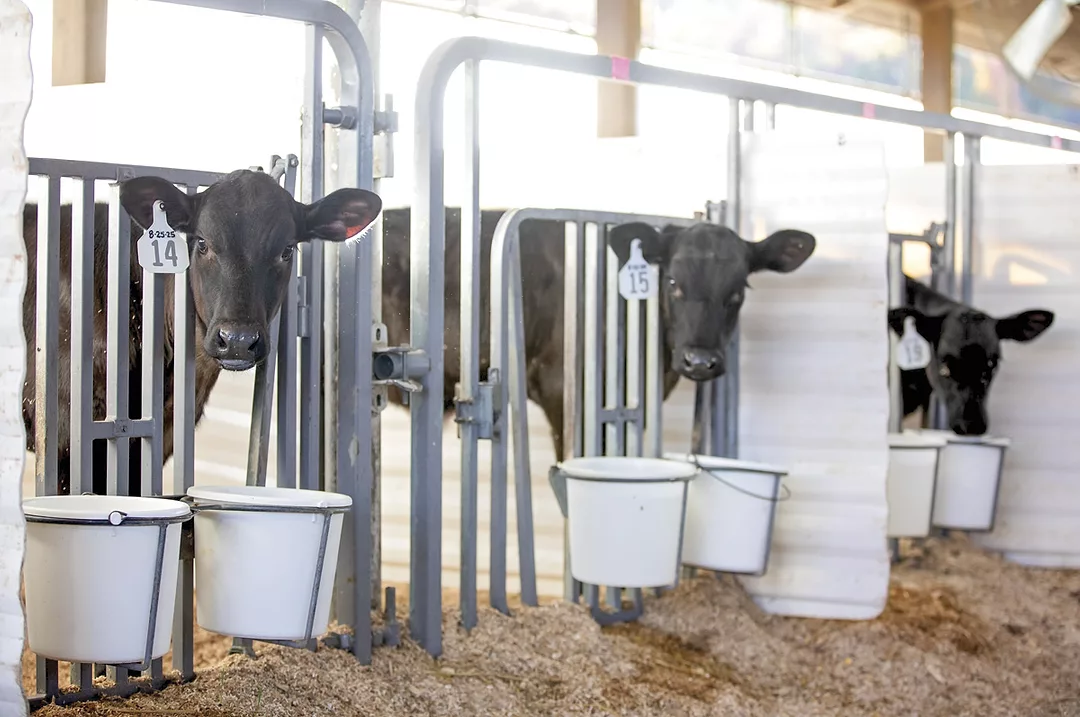
Beef-on-dairy calves are one of the most valuable outcomes of modern dairy production. With day-old calves commanding $1,500 or more, strategic use of beef semen on dairy cows has transformed what was once considered a byproduct into a meaningful revenue stream. At the same time, beef-on-dairy calves are playing a growing role in supporting the U.S. beef supply as national cattle numbers reach historic lows.
With added value comes added risk. Health challenges originating early in life can quietly follow beef-on-dairy calves through their life cycle. Liver abscesses are one of the costliest examples. While they are identified at harvest, the root causes often begin months earlier. Protecting the value of these calves depends on how well rumen and gut health are supported from the start.
Early-life management sets lifetime risk
Calves are born with an immature immune system and a non-functional rumen. Timely intake of high-quality colostrum is the first and most important step in protecting lifetime health and performance. Colostrum delivers maternal antibodies along with critical energy and protein, helping establish immune development when calves are most vulnerable. Inadequate colostrum intake can compromise immunity and negatively affect growth and health long after calves leave the dairy.
Rumen function for any calf does not begin to operate until around 2 to 3 months old and does not fully mature until 5 to 6 months. When calves are transitioned too quickly to solid feeds or exposed to excessive starch before the rumen is ready, digestive upsets and acidosis can occur. This disrupts and weakens gut integrity and barrier function, allowing bacteria and toxins to pass into the bloodstream, where the liver must work harder to filter these challenges.
Stress further increases risk. Weaning, transport, commingling, diet changes, vaccination and handling can and will disrupt gut function. When the gut barrier is compromised, bacteria and pathogens can reach the liver, increasing the likelihood of liver abscess formation over time and undermining animal growth, performance and health.
Why beef-on-dairy calves matter now
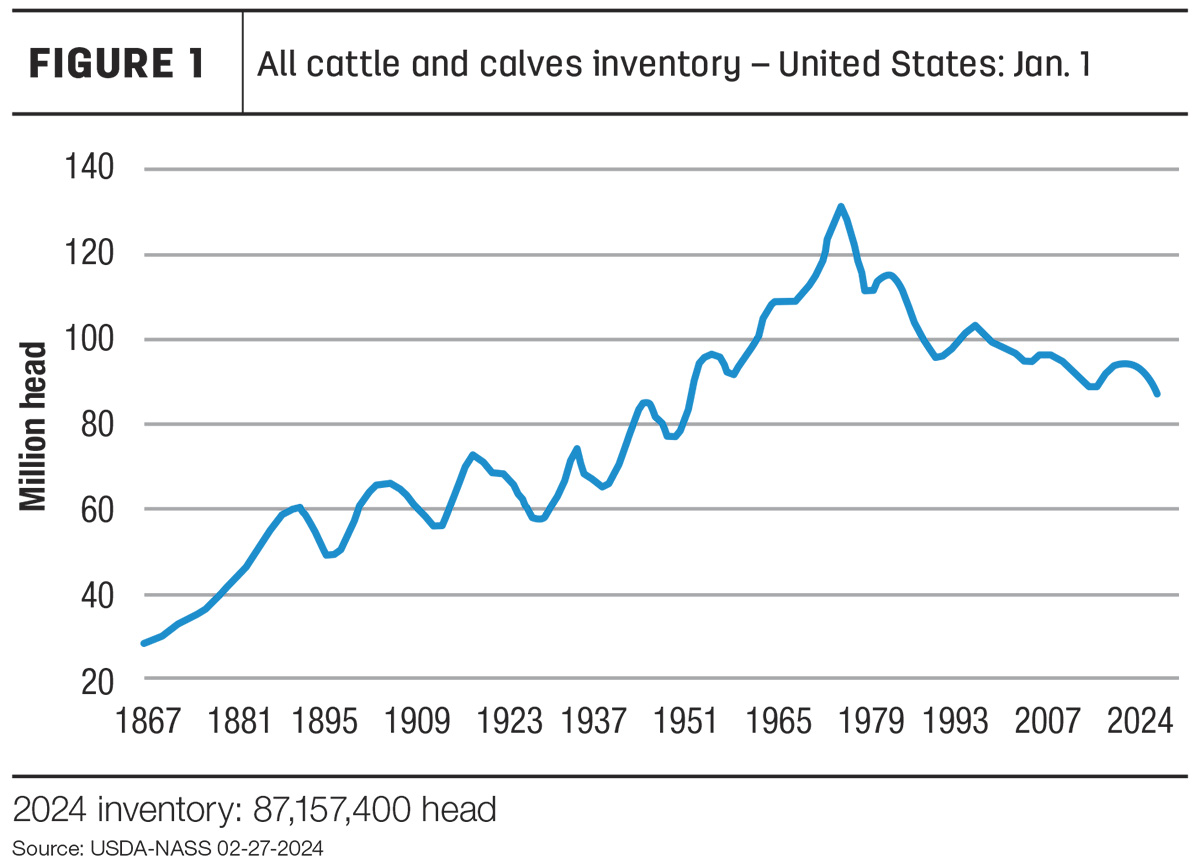
U.S. cattle inventory has declined steadily for decades, falling from roughly 131 million head in the 1970s to about 86.7 million head in 2024, according to USDA NASS (Figure 1). Drought, wildfires and reduced grazing capacity have accelerated this decline.
Enabled by reproductive technology and genetic selection tools, beef-on-dairy production has expanded rapidly, with projections suggesting beef-on-dairy cattle could approach 20% of total slaughter by 2027.
Sexed semen allows dairy producers to generate replacement heifers from top-performing cows while breeding others to select beef bulls. The result delivers higher-value calves without sacrificing herd replacement goals, creating a more dependable revenue stream alongside milk production. As this segment grows, early management decisions made on the dairy operation have a greater impact on how these calves perform downstream.
Act early: Support rumen and gut health
The gastrointestinal tract is the animal’s primary internal defense system. Supporting gut integrity early in life reduces inflammation, limits pathogen movement and supports a stronger immune response.
Producers can take several key steps to support rumen development:
- Allow adequate time for rumen development by maintaining a consistent plane of nutrition from milk while gradually introducing starter feeds and forages.
- Avoid abrupt reductions in milk or rapid feed changes, which can overwhelm an undeveloped rumen and increase the risk of digestive disorders.
- Minimize stress during weaning, transport and commingling to support digestive stability and overall calf health.
Targeted nutritional support can help reinforce these management practices. Research-proven, rumen-specific probiotic yeast strains such as Saccharomyces cerevisiae CNCM I-1077 support rumen development, stabilize rumen pH and improve fiber digestion, helping calves adapt more effectively to dietary transitions.
Support for the hindgut is equally important during stressful periods. Providing calves with research-proven, hind-gut-specific probiotic yeast helps support a robust and balanced microbiome and gut integrity, aiding the calf’s ability to manage inflammatory and pathogenic challenges in the small intestine and hindgut.
Together, these nutritional strategies enhance nutrient absorption, improve feed efficiency and build resilience against future challenges. Additionally, reducing stress on the liver helps protect carcass value, ensuring healthier, more productive animals throughout their life cycle.
Protecting value as the segment grows
As beef-on-dairy production continues to expand, protecting value requires more than genetics alone. Early management decisions made on the dairy influence calf vigor, survivability and downstream performance and buyer confidence, even when ownership changes shortly after birth.
By prioritizing colostrum management, minimizing early-life stress and aligning nutrition with rumen development and gut health, dairy producers help ensure beef-on-dairy calves enter the supply chain healthy and resilient. These practices support smoother transitions through transport, commingling and feeding changes, reducing health setbacks that can follow calves long after they leave the dairy.
Beef-on-dairy calves are a growing contributor to dairy farm revenue. Protecting that value starts at birth, with early-life management practices that support rumen development, gut integrity and lifetime performance, helping dairy producers capture more consistent returns on every calf sold.
References omitted but are available upon request by sending an email to the editor.