AgSpire offers producers assistance with adopting regenerative ag practices
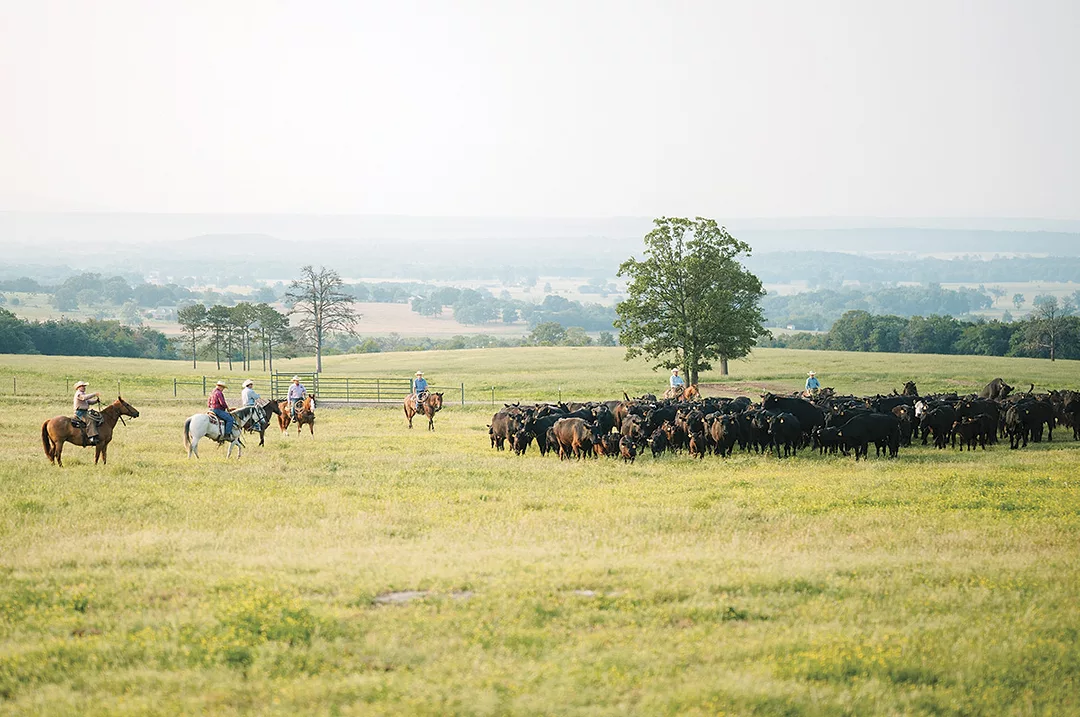
AgSpire designs conservation and regenerative agriculture programs for ranchers and cattle producers. These programs help improve grazing management, forage utilization and operational efficiency by supporting changes producers already want to make. AgSpire provides free, hands-on technical support and helps producers enroll in voluntary programs that pay for measurable improvements on their land, including incentive-based opportunities tied to improved land management, herd performance and long-term ranch resilience.
The company works directly with ranchers and cow-calf operations to ensure regenerative practices fit real-world management goals without disrupting productivity. Through personalized guidance and data-driven strategies, AgSpire helps cattle producers identify practical opportunities that strengthen rangeland health and support day-to-day operational success.
“One of the things that I like about AgSpire is that they’re very focused on programs that help the farmer rather than encouraging practices that a producer would feel like is a hindrance to them,” said Jesse Hohm, South Dakota rancher and program participant. “They’re encouraging practices that a lot of farmers would say is a benefit. I want to do that.”
As demand for regenerative agriculture grows across the beef supply chain, AgSpire remains focused on helping cow-calf producers capture new opportunities and build long-term operational resilience.
For more information, visit the website.
Neogen introduces Igenity Wagyu Feeder Check for commercial Wagyu cattle
The Neogen genomics division has launched Igenity Wagyu Feeder Check, the market’s first complete feedlot and carcass test for commercial Wagyu cattle. Igenity Wagyu Feeder Check is a genomic selection tool designed for Wagyu-influenced cattle to improve resource utilization, profitability and resilience in high-value commercial Wagyu beef programs.
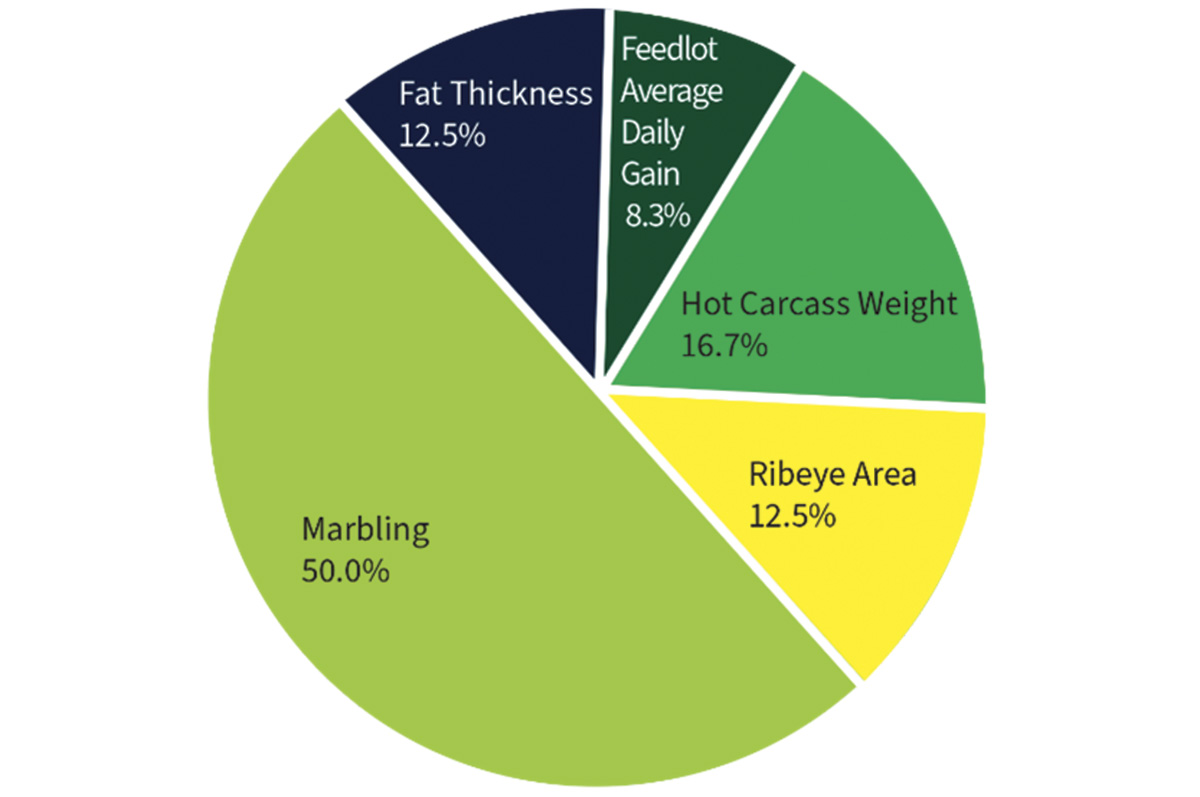
Source: Neogen
Because Wagyu cattle naturally grow more slowly than other Bos taurus breeds due to their emphasis on intramuscular fat deposition, understanding the genetic component of key feedlot and carcass traits helps producers make more precise selection and management decisions. These insights help identify lower-performing animals that can be shifted into alternative feeding programs, reducing unnecessary feed and management costs. Conversely, cattle with stronger feedlot growth potential will finish more efficiently than their contemporaries, ultimately lowering feed expenses. To build on this even further, cattle with superior carcass potential help capture greater grid premiums at harvest. This reinforces the qualities that make Wagyu so valuable and enhances consistency of high-value Wagyu products, enhancing trust in the marketplace.
The test reports genetic predictions for five traits on a 1 to 10 scale:
- Feedlot average daily gain
- Hot carcass weight
- Fat thickness
- Ribeye area
- Marbling
Igenity Wagyu Feeder Check is powered by the Australian Wagyu Association’s (AWA) extensive global database, informed by breeder contributions from over 40 countries.
Learn more online.
MJE Livestock Equipment launches three new products
MJE Livestock Equipment debuted multiple new cattle-handling innovations at the 2026 NCBA Cattle Convention trade show, introducing the all-new DXS Alley, along with the newly launched Calf Alley and the Hydraulic Calf Table+ with integrated scales.
DXS Alley
The DXS Alley brings permanent-installation performance into a fully portable system. It is a double-to-single cattle alley engineered for operations that demand efficiency without sacrificing durability.
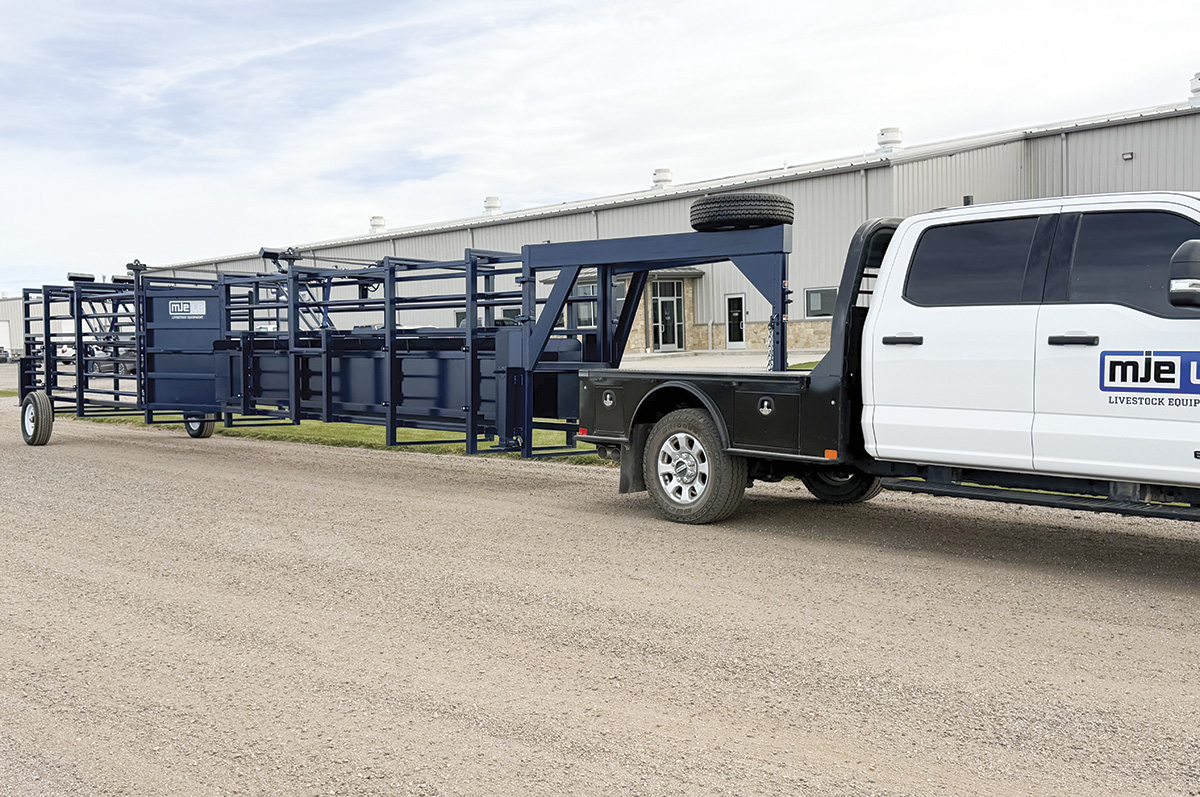
Image courtesy of MJE Livestock Equipment.
Unlike traditional portable alleys, the DXS features a true drop-to-ground design that promotes quieter cattle flow and reduces hesitation. A universal gooseneck swing allows flexible approach angles in a variety of yard layouts, while feedyard-grade steel construction ensures long-term reliability in high-volume environments.
Designed for ranchers, stockers and commercial yards needing mobility without compromise, the DXS Alley performs like a set-in-concrete system while remaining easy to transport and deploy. It is built for producers who expect portable equipment to work as hard as their permanent facilities.
Calf Alley and Hydraulic Calf Table+
MJE Livestock Equipment is expanding its calf-specific processing lineup with the introduction of the Calf Alley and the upgraded Hydraulic Calf Table+ with integrated scale systems.
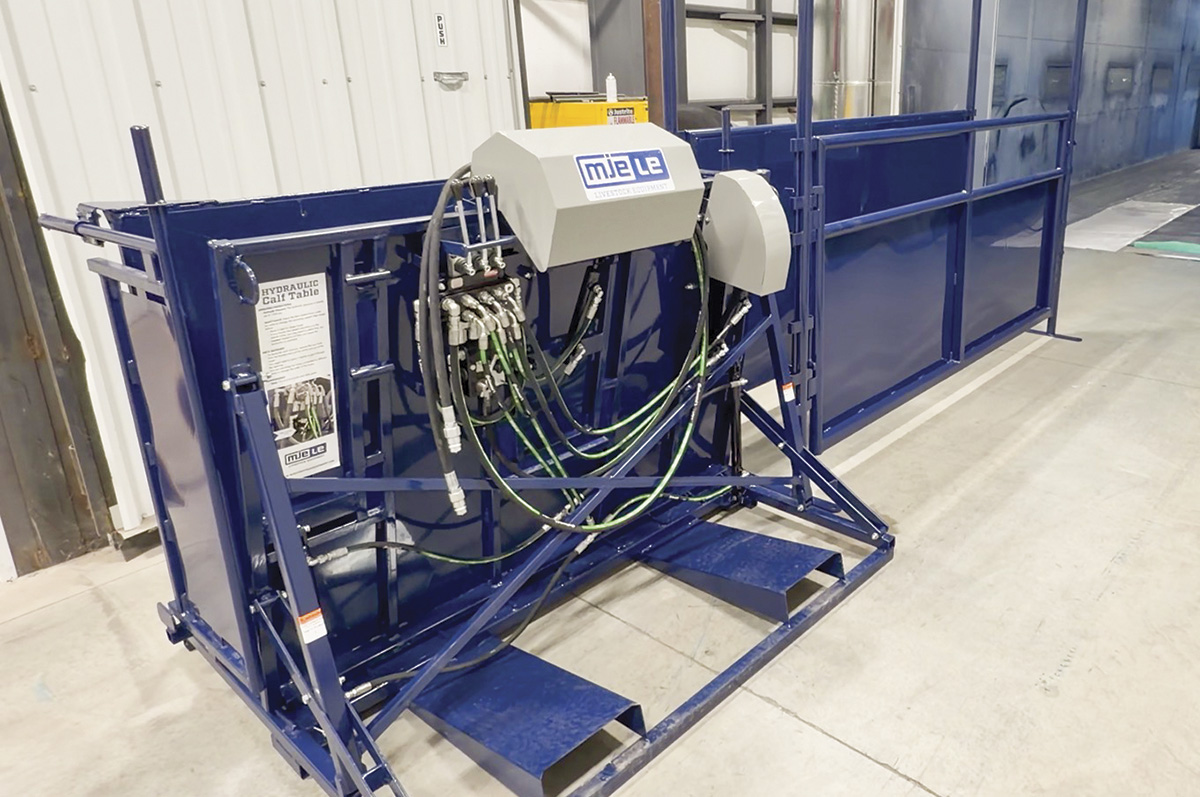
Image courtesy of MJE Livestock Equipment.
The Calf Alley is purpose-built for young calves and integrates seamlessly into CattleLine working facilities and hydraulic calf table setups. Sized appropriately for calves, it reduces stress and hesitation often caused by oversized equipment while maintaining clean handler access and modular flexibility.
The Hydraulic Calf Table+ now offers integrated Digi-Star or Tru-Test scale systems, allowing producers to capture accurate weights during processing without additional handling or workflow disruption. This improves throughput, supports better record-keeping and helps operations make more informed management decisions.
When used together, the Calf Alley and Calf Table+ create a continuous calf-processing flow designed around real-world ranch work, prioritizing safety, efficiency and practical data capture.
Learn more online.