Modern dairy facilities are built under pressure: Labor is tight, cows are larger, margins are thin and expectations for animal welfare and longevity continue to rise. Within that reality, two equipment concepts have steadily moved from novel to normal: flexible freestalls and flexible feed rails. Instead of rigid steel that forces every cow to conform, these systems allow controlled flexibility, thoughtful adjustability and simpler maintenance without compromising cow flow or human safety.

Why flexibility matters in the stall
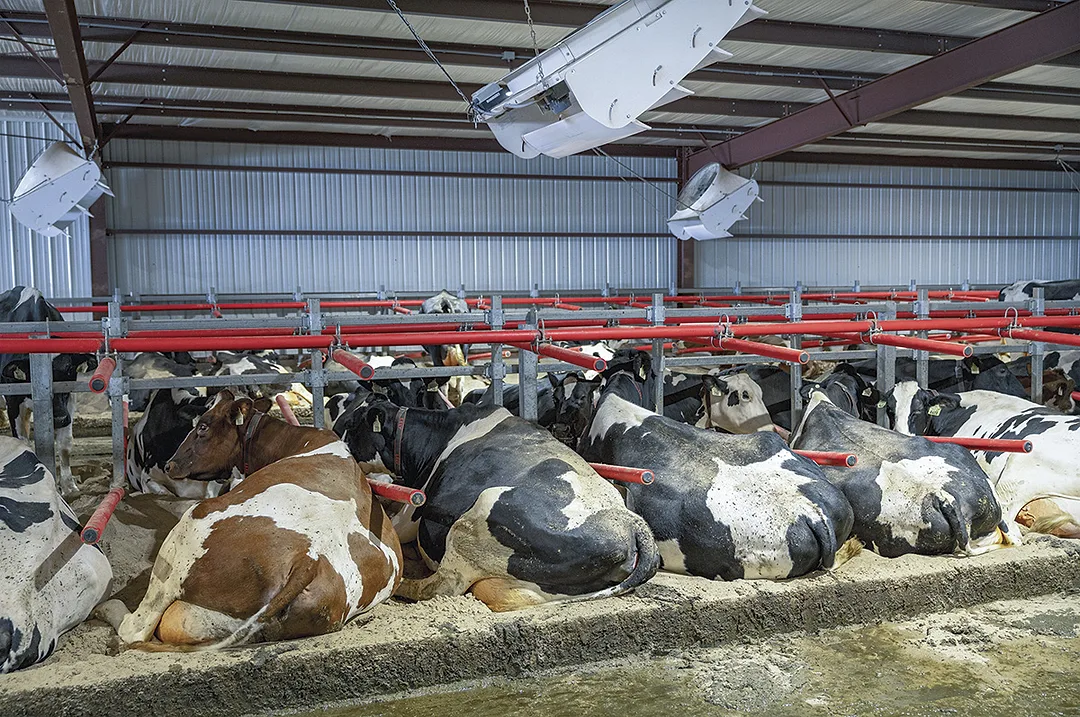
A flexible freestall is designed to guide positioning without turning every bump into a penalty. Traditional steel dividers and mounting points are durable, but they do not absorb impact. When a cow shifts while lying down or hits the divider during rising, the force returns directly to the animal. The flexible freestall is designed to give when a cow makes contact, then return to its original position instead of staying bent or transferring all the force back to the cow. This still encourages straight lying and consistent positioning, but the cow experiences less hard stop contact during normal movement.
Reducing hard contact points can influence both comfort and cleanliness. If cows are more willing to enter stalls, settle quickly and complete natural rising movements, producers often see fewer animals perching with rear feet in the alley and more cows lying correctly in the stall. That matters because time spent standing is tightly linked to hoof health and lameness risk, and because perching and diagonal lying can increase manure transfer into the stall. In many barns, early improvements show up as fewer rubbed areas on common contact points, improved stall acceptance in the first days after a change and a steadier pattern of cows resting when they should be resting.
Adjustability is another reason flexible systems are gaining momentum. Herds are not one-size-fits-all, and stall fit can change over time with bedding choice, floor resurfacing or the maturity of cows in a pen. Systems that allow producers to adjust neck rail placement, brisket location and divider alignment make it easier to match stalls to the animals actually using them. This becomes especially valuable in remodels. Older barns often have post spacing and concrete dimensions that don’t align neatly with modern recommendations, yet the building itself may still be structurally sound and functional. When stall components can be adjusted instead of cut out and rebuilt, producers can make meaningful improvements without turning a retrofit into a long, disruptive reconstruction project.
Courtesy image.
Rethinking the feed alley: Access, not restraint
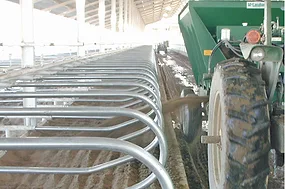
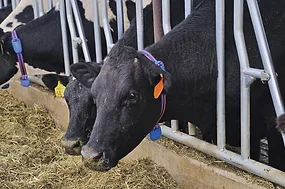
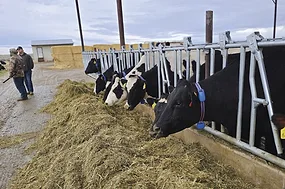
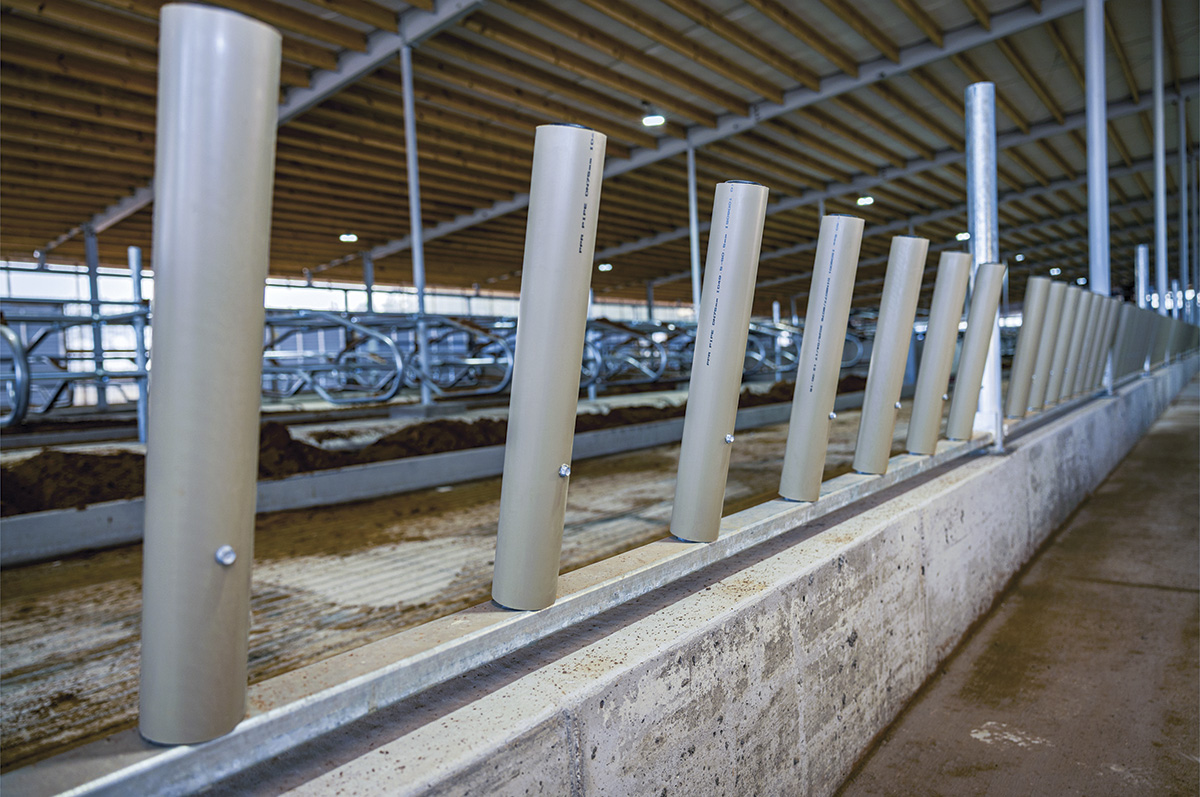
The feed rail is undergoing a similar evolution. Headlocks offer clear management advantages for restraint, routine checks and treatment workflows, which is why they became common in the first place. But headlocks also create frequent rigid contact at the neck and shoulder area, and fixed openings may be less adaptable as cows get larger or as curb and flooring heights change. As a result, more producers are exploring feed rail approaches designed primarily around comfortable access – vertical or horizontal rails that guide cows at the feed alley while reducing abrasive contact and supporting a natural feeding posture.
The biggest test for any feedbunk design is what happens right after fresh feed is delivered. That is when competition is highest and when timid cows are most likely to be displaced. A rail that provides smoother contact and adequate reach can help reduce feeding interruptions, especially when paired with timely feed push-ups and appropriate linear space per cow. The goal isn’t to remove hierarchy – that will always exist – but to remove unnecessary friction caused by hard, repeated contact at the rail. In practice, a more cow-friendly feed rail can support calmer, more consistent feeding across the group.
Moving away from headlocks does require a handling plan, and the best barns address that intentionally. Many farms maintain headlocks in strategic areas, such as a short lock-up section, a dedicated treatment or maternity area, or a separate handling setup, while allowing the primary feedline to prioritize everyday access and cow flow. The right balance depends on herd health protocols, how often cows are locked, staffing patterns and facility layout.
Flexibility does not replace fundamentals
It’s also important to keep expectations realistic: Flexible hardware will not compensate for stalls that are undersized/oversized, have inadequate forward lunge space or insufficient bedding. Bedding management still drives stall use, and ventilation still determines how comfortable and dry the environment feels. At the feedbunk, adequate linear space, consistent feed availability and push-up frequency still dominate intake opportunity. Flexible systems work best when they support the fundamentals, not when they are expected to fix them. Producers get the best results when they measure mature cows, set dimensions intentionally and then fine-tune based on what cows actually do in the pen.
Because flexible stalls and feed rails offer more adjustability, they also offer more opportunity to measure and adjust. Producers who want objective feedback can track a handful of repeatable indicators before and after changes. The percentage of cows lying down in the hour before milking reveals whether cows are completing rest cycles. Simple scoring of hock and knee lesions will capture trends in minor injuries. Counting neck and shoulder hair loss at the bunk provides a quick quality check on contact surfaces. Observing displacements during the first hour after feed delivery indicates how competition is evolving. Perching rates during spot checks and trends in milk and components round out the picture. None of these measures are complicated, but together they create a data-based view of whether adjustments are working.
The bigger picture: Barns that can evolve
In the end, the next-generation barn is about adaptability. Flexible freestalls and cow-friendly feed rails reflect a broader trend toward facilities that reduce avoidable contact injuries, support natural resting and eating behavior, and give producers the ability to adjust setups as herds evolve. When cows lie down readily, rise confidently and eat without hesitation, the barn is quietly doing its job and even small design tweaks can deliver big day-to-day benefits.