Sand is the ideal dairy bedding source, but it is not always feasible for every farm. Recycled manure solids can be a viable alternative for a mix of practical, economic and operational reasons.

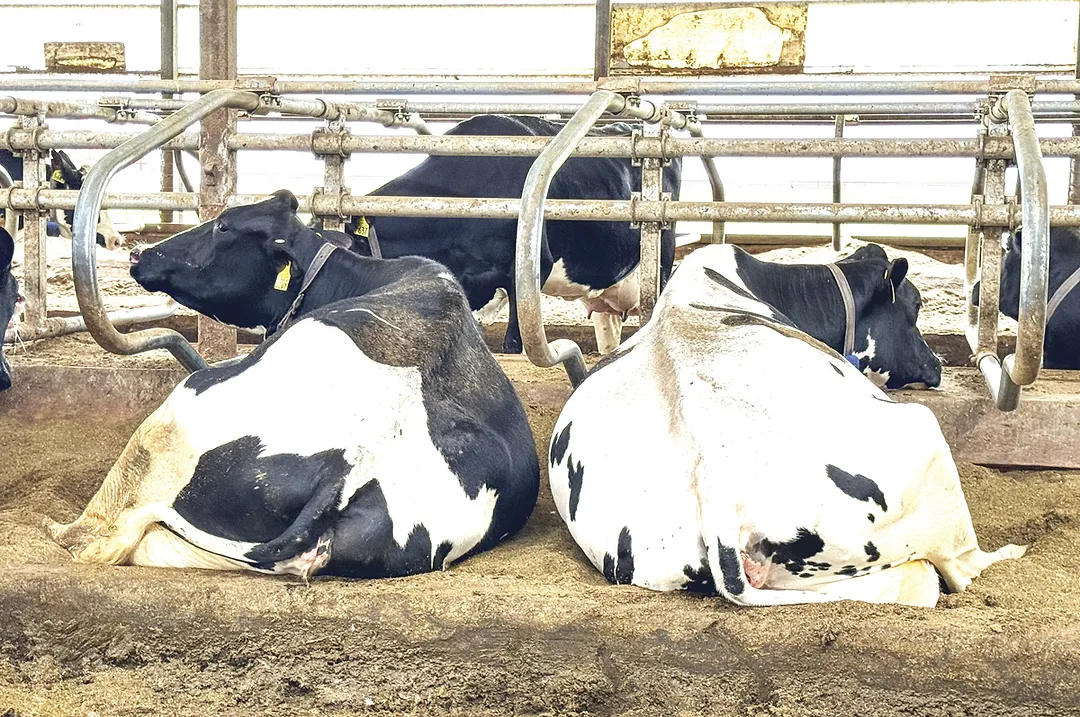
This strategy transforms a disposable expense into a valuable resource by separating fiber from manure and repurposing it as bedding. Properly processed and managed manure solids can provide a soft, comfortable surface for cows to rest.
Plus, improvements in anaerobic digestion and solids separation technology, as well as the associated environmental benefits, make digesters an attractive option for dairy producers. Large amounts of bedding can be obtained from mechanical separation of manure, provided the equipment is well maintained.
Although the concept of bedding with manure solids is straightforward, results depend on how the material is handled from processing through stall use. Unlike sand, manure solids are a more variable material and require a more hands-on approach. Dairies that adapt their routines accordingly can achieve comparable outcomes.
Consider these factors if you’re thinking about making the switch or looking to improve your current system.
1. More management is needed
Manure solids bedding management is often described as an art and a science. The key is to reduce guesswork and adopt available tools and technologies to generate repeatable results for your dairy.
Unlike sand, organic bedding reacts to environmental conditions, handling practices and cow traffic. That means dairies must take a more active role in managing the bedding. Keeping stalls free of manure and urine, regardless of bedding type, will go a long way toward controlling somatic cell count (SCC) and mastitis.
- Consistent stall maintenance is essential. Regular grooming to keep stalls free of manure and urine helps manage risk while ensuring a clean, comfortable resting space.
- Manure solids bedding behaves differently depending on moisture content. Drier manure solids are lighter and less dense, so they shift more easily in the stall and do not stay in place as well as heavier bedding, like sand. As a result, more frequent top-dressing is often needed, daily or every other day in many cases, especially with mattresses. Drier material may also increase overall bedding use.
- Barn management plays an important supporting role. Clean alleys, frequent scraping and effective flushing reduce the amount of organic matter carried back into stalls. Higher-quality flush water also affects bedding effectiveness. A cleaner facility and cleaner cows help maintain bedding quality and hygiene.
Managing bedding well is crucial to keeping cows comfortable, stalls clean and udders healthy.
2. Maintain a consistent moisture content
Moisture is the most important variable in manure solids bedding. The goal is to strike a balance: dry enough to limit bacterial growth, yet comfortable for cows.
That balance varies by dairy. Climate, barn design and stocking density all influence ideal moisture levels, but many dairies find success in the 45% to 50% range. Within that window, bedding tends to stay loose and comfortable while limiting rapid bacterial growth and supporting udder health.
When moisture levels rise, bacterial activity increases rapidly, increasing the risk of mastitis and elevated SCC. Preventing these swings is far easier than correcting them.
Drying systems have become a useful tool for maintaining uniform bedding quality. By controlling moisture during processing, they reduce variability and eliminate the inconsistencies that can come from stockpiling or composting.
They also allow for immediate reuse, improving efficiency and ensuring bedding meets a consistent standard each day. From a performance standpoint, drier material is also less prone to compaction, helping maintain a loose, inviting bed that supports cow comfort.
3. Invest in the right equipment
Manure solids bedding requires investment in equipment, ongoing operational costs and adjustments to daily routines. Your goal is to obtain the highest recovery at the highest possible quality at the moisture content that makes sense for your farm.
At a minimum, most systems rely on a dewatering system or screw press to separate solids. Many dairies also incorporate a drying unit to achieve consistent moisture levels. This adds another layer of equipment to manage, but it also provides greater control over the final product.
There is a cost associated with drying, typically tied to fuel sources such as natural gas or propane. These expenses should be factored into the system's overall economics. However, they are often offset by reduced reliance on purchased bedding and improved cow performance.
Bringing it all together
Bedding with manure solids offers a practical and effective option for many dairies, but it is not a hands-off solution. It requires a commitment to consistency, a willingness to invest in the right tools and an understanding of how organic bedding behaves in the barn environment. Cows will tell you through their behavior and health if your efforts are successful or if you need to adjust your bedding management.
Dairies that focus on moisture control, maintain a consistent product and adapt daily routines can achieve results comparable to traditional bedding systems.
The takeaway is simple: Manure solids can perform well, but only with disciplined, consistent management. A management-first mindset puts you in a better position to succeed.
References omitted but are available upon request by sending an email to the editor.
Key takeaways
- Manage actively: Organic bedding is more variable than sand, requiring consistent stall maintenance, frequent grooming and close attention to cow cleanliness.
- Control moisture: Target a balanced moisture range (often approximately 45% to 50%) to limit bacteria, protect udder health and maintain bedding performance.
- Invest strategically: Separation and drying equipment improve consistency and efficiency, helping offset costs through better bedding quality and cow performance.