The Farm, Food and National Security Act of 2026, the next iteration of the farm bill, was passed by the House of Representatives with a vote of 224-200 on April 30.
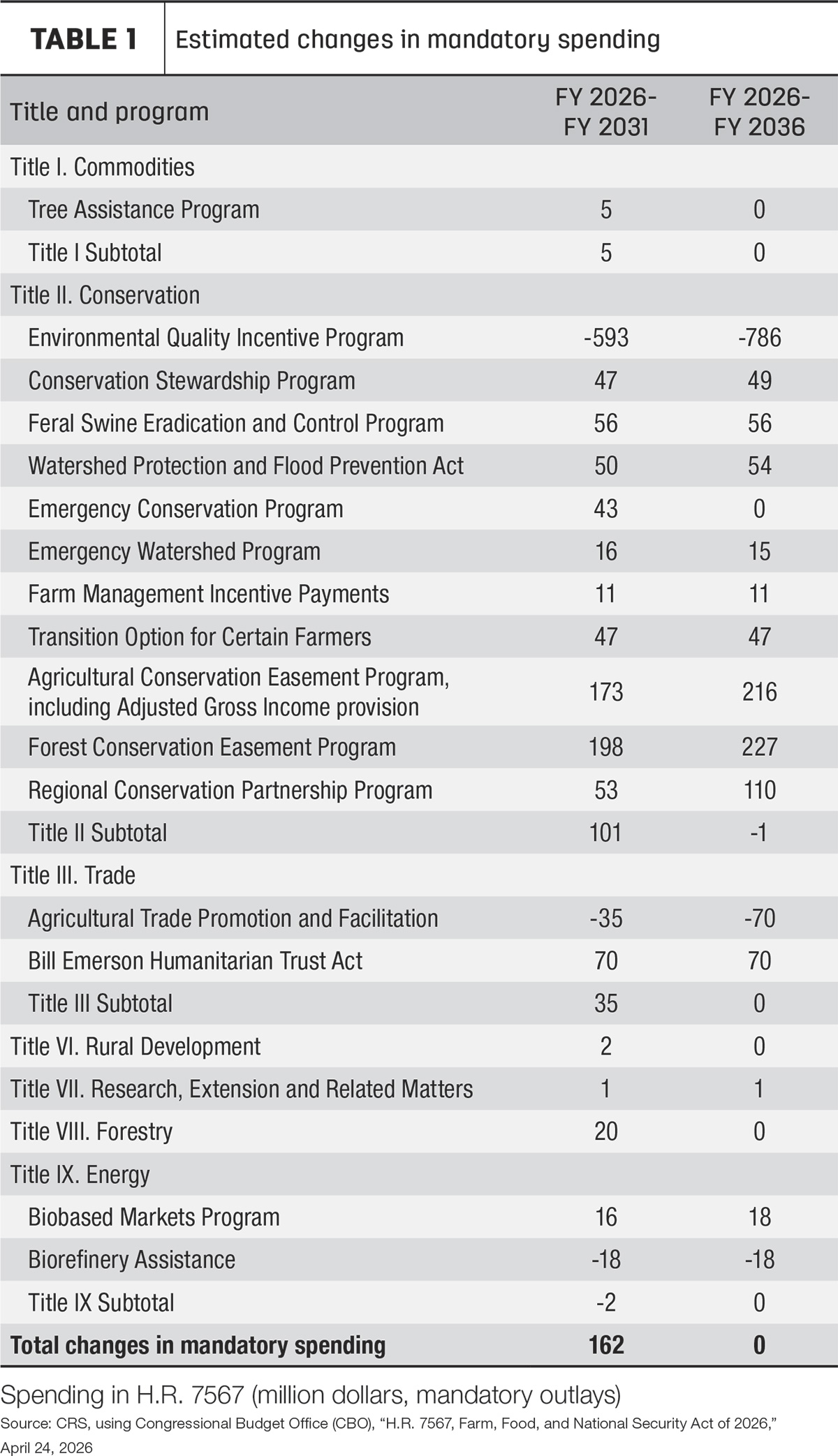
The next farm bill and what it will contain has been a major pressure point for ag producers since the expiration of the 2018 Farm Bill, which expired in 2023 and has received an annual extension in the years since. The 2026 version expands on policies passed in the One Big, Beautiful Bill and proposes several measures aimed at facilitating long-term investments in U.S. agriculture, including policies on conservation, trade, credit and lending, research and extension, and more. The following is an abbreviated list of policies that would directly impact cattle producers. A full summary from the House Ag Committee can be accessed here.
Conservation
- Incorporates precision agriculture into the Environmental Quality Incentives Program (EQIP) by adding precision agriculture technologies to the 90% payment, water conservation and irrigation efficiency practices, incentive contracts and conservation innovation grants.
- Makes the planning, adoption and acquisition of precision agriculture practices and technologies eligible for Conservation Stewardship Program (CSP) payments.
- Authorizes a matching grant program for states and eligible tribal nations to improve soil health on agricultural lands.
- Reauthorizes CRP and maintains current acreage cap.
- Includes easement reforms through a variety of Agricultural Conservation Easement Program (ACEP) improvements, including increasing the federal cost-share from 50% to 65% for the Agricultural Land Easement Program (ALE).
- Improves conservation program implementation by streamlining the Technical Service Provider (TSP) program, including a review of the TSP certification process.
- Maintains the Natural Resources Conservation Service (NRCS) experienced services program and provides direct hire authority for NRCS.
Trade
- Transfers the authorities of the Food for Peace Act to the USDA from the U.S. Agency for International Development (USAID).
- Reserves 50% of Food for Peace resources for U.S.-grown commodities and ocean shipping, returning the program to its original intent of addressing the global hunger crisis through the purchase of U.S.-grown commodities and expanding U.S. market access abroad.
- Directly increases funding for a variety of trade programs including the Market Access Program (MAP), Foreign Market Development Program (FMD) and Priority Trade Fund (PTF).
- Addresses trade barriers and infrastructure deficiencies.
- Organizations are authorized to combat insufficient infrastructure capabilities through enhancing the capabilities of infrastructure in new and developing foreign markets via needs assessments, technical assistance and training.
- The USDA is directed to secure foreign markets for goods using common names (e.g., Parmesan, bologna), preventing foreign countries from implementing unfair trade practices under the guise of protecting geographic indicators.
- After public notice and comment, the secretary must submit a report to Congress detailing the policies or practices of foreign countries that act as significant barriers to specialty crop exports or those that heighten the competitiveness of imported specialty crops with domestic producers.
Credit and lending
- Broadens financing options for producers who are unable to obtain credit from a commercial lender, including updated loan limits and faster approval times for certified and preferred guaranteed lenders.
- Provides resources to new, young, beginning and veteran farmers in their transition to farming and ranching.
- Protects and increases the ability of commercial lenders to provide rural America with a reliable source of credit and capital, along with more flexibility for financing agricultural exports.
Research and extension
- Provides funding for research and development for the specialty crop industry including for research on mechanization and automation technologies.
- Provides increased research funding for land-grant universities, along with increased funding for extension research and educational outreach activities, including at the community college level.
- Establishes a commission on National Agricultural Statistics Service (NASS) modernization to improve the efficiency of NASS data collection and quality of the statistics reported.
The bill is currently under review by the Senate Ag Committee. Following their markup, it will then be presented to the whole Senate for a vote, likely in early June. The current extension of the 2018 Farm Bill expires at the end of September of this year.