For the cow-calf producer, the last couple of years have been maybe the most financially rewarding in the history of the beef business in the U.S. Many people talk about the strong financial performance and how that could lead to beef herd expansion in the next couple of years, and the “10-year cattle cycle” would agree, but for how long?

What does the herd size recovery look like when the average age of the cow-calf producer, according to the 2022 Census of Agriculture, is 58.3 years old and not getting younger? Will the strong financial outlook of the current business be enough to overcome what I feel are the toughest challenges the beef industry is facing long term: the mental and social aspects of life, and the negative impact that beef production can have on them?
When you look at where the beef cows are in the U.S., it’s where there is grass. It’s no surprise that the top 10 are rural states: Texas, Oklahoma, Missouri, Nebraska, South Dakota, Montana, Kansas, North Dakota, Kentucky and Florida, according to the USDA data. It becomes harder to find data down to the county level, but after an exhaustive internet search, I was able to find some county data for beef cows. The list I found showed the top 25 counties for number of beef cows included South Dakota (eight), Nebraska (seven), Montana (seven), Oklahoma (two) and Texas (one). When you look at a map, those counties are some of the most rural areas within their respective states.
As someone in my mid-40s, my generation and the ones following me have been accused of not wanting to work. The more I talk to folks my age and younger, the more I question if the return on investment of working – not just financially, but mentally and socially – isn’t enough to do some jobs. Is the job too demanding, too stressful, too time-consuming? Does it allow for a work/life balance for the amount they earn? Have priorities in their lives changed compared to generations before?
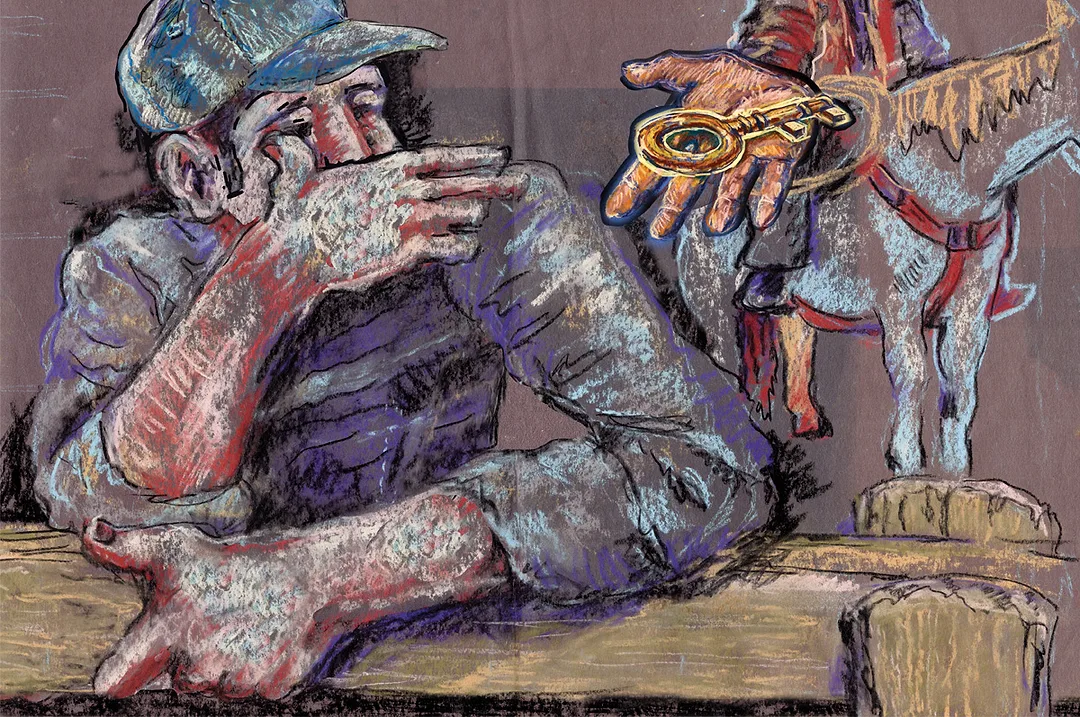
Given the mental and social challenges associated with the cow-calf business, are the current financials enough to make the next generation want to own cows and live in the areas where they are run? Many full-time cow-calf producers are often isolated and work alone. They don’t get to interact with people for days and sometimes weeks, which can be isolating, even for those producers who would argue they don’t want to intermingle with other people. A lot of producers live many miles from a grocery store or other conveniences. Cellphone and internet service can be sketchy or nonexistent. They miss vacations, family get-togethers and kids’ activities. Volatile weather patterns, input prices and markets can be hard to comprehend. Given current costs and prices, they are managing a lot of zeros. Also, the cost of having a possible “train wreck” situation hurts a lot more in today’s economy.
More importantly, and maybe not talked about enough, is whether the spouse can handle those aspects. With fewer children born on the farm, we tend to see more agriculture producer couples where one hasn’t grown up in agriculture or has very limited experience. And finding a spouse who was born on a cow-calf operation or has the slightest understanding of the business is likely even worse odds.
I wonder if other industries will outcompete the cow-calf industry for its talent and labor. Are the financial, social and mental aspects of other industries more inviting? There are competing industries that have high demand. Trade skill jobs such as electricians, plumbers, HVAC and white-collar jobs like accounting, sales, software, IT and the medical field all have openings and pay well.
The beef industry often sounds romantic, and with some of the more popular TV shows lately, it’s been portrayed as such. There are many positive attributes for cow-calf producers, such as setting their own schedules, working for themselves and being outside. They can, and do, make it a family business working with their spouse and children daily, making their own decisions and their own choices, and that can make being a cow-calf producer appealing and rewarding.
The current financials of the cow-calf side of the beef industry show opportunity to make money, and any talk of a beef herd rebuild that I’ve read speaks in terms of slow growth over the next two to five years. That tells me calf prices are likely going to stay high and aid profitability for existing and new cow-calf producers for some time to come. But what about for the long term?
I definitely have more questions than answers when it comes to the future of the beef industry in the U.S. What will the cow-calf herd look like in 10 years? Where is the balance between the financial aspect and the mental and social aspect of life within a job, especially in the beef business? Will the cow-calf industry be able to compete long term?
We will find out.