For many cattle nutritionists, the line between professional decisions and personal ones does not exist. The same choices made for customers are the ones made at home, often with similar risks and rewards on the line.

As both a producer and a nutrition consultant, I make the same decisions for customers that I make for our own herd. In many cases, the producers with whom I work are also neighbors. This perspective changes how you think about everything from nutrition to long-term herd management because you are not just offering advice; you are living with the outcome.
Across the operations I work with, one thing is clear: The producers who hit their goals are not chasing quick fixes. They focus on getting the fundamentals right and making decisions they can stand behind, day in and day out. That kind of dedication is not always the easiest path, but it is the one that holds up over time.
This becomes especially relevant as we move through the summer months. With breeding decisions largely behind us, we are managing early gestation, maintaining body condition and preparing for weaning. It is a time when the decisions made earlier in the year begin to show up, for better or for worse.
One of the biggest misconceptions in herd management is that performance can be corrected quickly. In reality, most outcomes are the result of decisions made long before they are visible. How a calf performs does not start at weaning; it starts when that cow was bred and even before that, with her nutritional status.
That long-view mindset is what separates reactive management from proactive management. It is also what makes everyday decisions so important. Nutrition is not something that can be adjusted once and forgotten. It is a system that supports the herd through every stage of production.
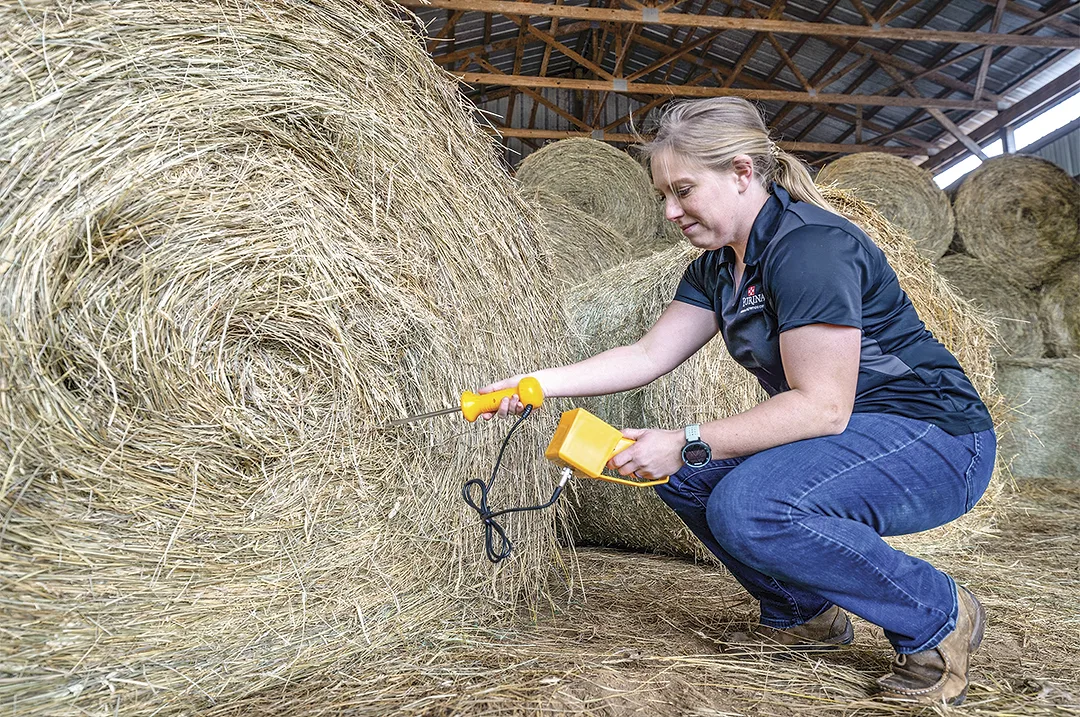
For most operations, that system starts with forage. It is typically the most cost-effective resource available, and making the most of it is critical. At the same time, forage is never static. In my area, year-over-year forage quality can shift 20% to 40% in a single season due to multiple factors like rainfall, fertilizer inputs, temperature and harvest conditions, and those changes require us to stay engaged throughout the season. By midsummer, early-season abundance has often leveled off, and maintaining consistency becomes more challenging. Staying ahead of that shift is key to avoiding setbacks later in the year.
As genetics and performance expectations have improved, the nutritional demands placed on today’s cattle have increased. It is not just about what is fed, but how often cattle have access to what they need. Consistency is one of the most overlooked drivers of herd performance – and over time, that consistency shows up in reproductive success and overall herd uniformity. Body condition score is one of the strongest indicators of reproductive success in beef cattle, and pregnancy rates improve significantly as body condition score increases.
In many cases, it is the cattle that are easiest to overlook that benefit the most. The animals that are more timid or less competitive still need access to consistent nutrition. When they have it, the entire herd performs more evenly.
Being a producer myself also means recognizing there are times when the right recommendation is to step back, adjust expectations or prioritize outcomes. This perspective comes from understanding the full picture – not just for one season but for the future of the operation. The goal is not to maximize a single moment; it is to build a system together that works year after year.
Another common trait among successful operations is a willingness to bring in outside perspectives. Whether it is evaluating forage quality, reviewing a nutrition program or simply talking through decisions, having a second set of eyes can help identify opportunities that might otherwise be missed. Those conversations often lead to more proactive planning, such as testing forage before it is needed, aligning nutrition programs with seasonal demands and adjusting before issues show up in herd performance.
In addition to focusing on in-the-moment challenges, the bigger opportunity is to take a step back and evaluate whether current management decisions are supporting long-term goals.
Better cattle do not happen overnight. They are built through intentional decisions made long before the results are visible. For producers looking to take the next step, it starts with asking the right questions. Connecting with a trusted adviser can be a valuable first step in that process, helping ensure nutrition decisions align with both current conditions and long-term goals.