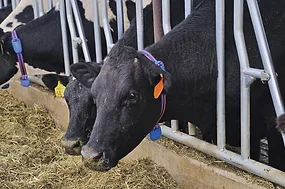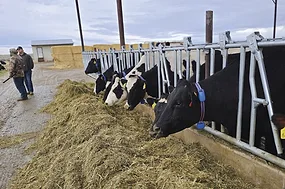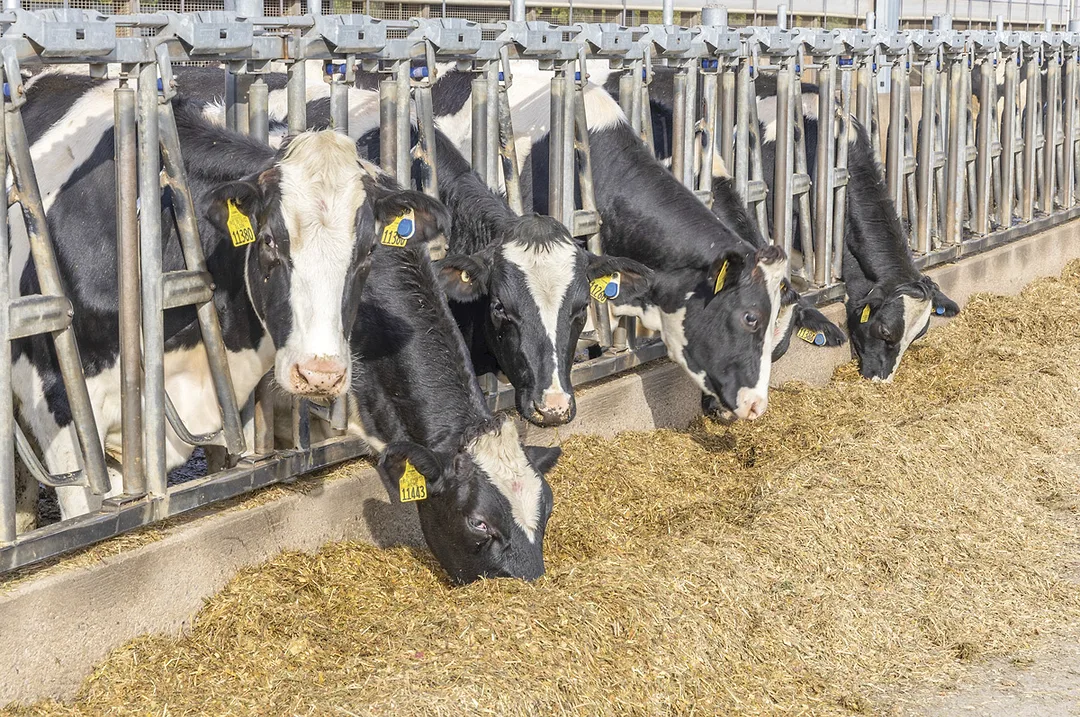
When summer temperatures rise, the signs of heat stress in dairy cows are easy to recognize. Cows begin to eat less feed, breathe more rapidly, produce less milk and often experience reduced fertility. These visible changes are well known to dairy producers, and they can have a direct impact on farm productivity and profitability. However, what is less obvious but just as important is the damage heat stress can cause inside the cow, particularly in the digestive system.

In recent years, researchers have discovered that heat stress affects the gut at a very basic level, weakening its ability to function as a protective barrier. This has led to a growing interest in nutritional strategies that support gut health, with probiotics emerging as a promising tool to help cows better cope with high temperatures.
What happens during heat stress
Dairy cows are especially sensitive to heat because they naturally produce a large amount of internal heat during digestion and milk production. When temperatures climb above about 65°F, cows must work harder to maintain a normal body temperature. To cool themselves, they reduce dry matter intake, which lowers the amount of heat generated during digestion. At the same time, blood flow is redirected toward the skin to help release heat into the environment.
While these responses are necessary for cooling, they come with trade-offs. Consuming less feed means cows take in fewer nutrients, which directly affects milk production. In addition, the shift in blood flow away from internal organs means that less oxygen and fewer nutrients reach the digestive tract. Over time, this can begin to damage the gut.
Why the gut is so important
The digestive tract does more than break down feed; it also acts as a barrier that protects the rest of the body. The lining of the intestine is made up of tightly connected cells that prevent harmful substances, such as toxins and bacteria, from entering the bloodstream. These connections, often referred to as tight junctions, play a critical role in maintaining gut integrity.
Under normal conditions, this barrier works very effectively. However, during heat stress, reduced blood flow and oxygen levels can damage the cells that make up the gut lining. Inflammation and other forms of stress within the body can further weaken these connections. When this happens the barrier becomes less effective and begins to leak.
The effects of a leaky gut
When the gut barrier is compromised, harmful substances that would normally be contained within the digestive tract can pass into the bloodstream. Among the most concerning are toxins produced by certain types of bacteria, including E. coli and salmonella. Once these toxins enter circulation, they trigger an immune response.
This response can have wide-ranging effects on the cow. Energy that would normally be used for milk production is redirected toward fighting inflammation, which results in a decline in milk yield. At the same time, the cow becomes more vulnerable to metabolic disorders such as ketosis or acidosis. Reproductive performance may also suffer, as chronic inflammation can interfere with normal hormonal function.
In this way, heat stress sets off a chain reaction that begins in the gut but ultimately affects the entire animal. What starts as a response to high environmental temperatures can quickly become a broader health and production issue.
The role of probiotics
As understanding of gut health has improved, probiotics have gained attention to help support cows during periods of heat stress. Probiotics are living microorganisms that, when added to feed in the right amounts, provide health benefits to the animal. Common types used in dairy nutrition include Lactobacillus animalis, Propionibacterium freudenreichii, Bacillus subtilis, Bacillus licheniformis and Saccharomyces cerevisiae (live yeast).
These beneficial microbes work in several ways to support the digestive system. One of their primary roles is to help maintain a balanced rumen microbial environment by promoting the growth of beneficial bacteria. Probiotics make it more difficult for harmful bacteria to take hold and produce toxins.
Probiotics also play a role in supporting the physical structure of the gut lining. Research has shown that they can help strengthen the connections between intestinal cells, making the barrier more resilient even under stressful conditions. In addition, probiotics can help reduce inflammation and limit the damage caused by oxidative stress, which tends to increase during periods of heat stress.
Supporting the cow during heat stress
The benefits of probiotics become especially important when cows are under heat stress. Even though cows may eat less during hot weather, probiotics can help them make better use of the nutrients they do consume. This improved efficiency can support milk production and overall performance.
Probiotics also contribute to better rumen function, which is critical for digestion in dairy cows. A healthy rumen helps stabilize rumen pH and supports the production of energy-rich compounds that the cow relies on. This is particularly valuable during heat stress, when maintaining energy balance becomes more challenging.
In addition to these digestive benefits, probiotics can help reduce the negative effects of inflammation throughout the body. By limiting the amount of harmful substances that enter the bloodstream and supporting the immune system, they help cows stay healthier and more productive during periods of environmental stress.
What research shows
A growing body of research supports the use of probiotics in heat-stressed dairy cows. Studies have shown improvements in dry matter intake, nutrient digestibility and milk production when probiotics are included in the diet. Researchers have also observed reductions in markers of inflammation and improvements in gut structure, indicating a stronger and more effective intestinal barrier.
It is important to note, however, that not all probiotics are the same. Different strains of bacteria and yeast have different effects, and their success can depend on how they are used. Choosing well-researched, proven strains is key to achieving consistent results.
A practical approach for producers
While probiotics offer clear benefits, they are not a standalone solution. Managing heat stress effectively requires a comprehensive approach that addresses both the environment and the cow’s nutritional needs. Providing shade, ventilation and cooling systems such as fans or soakers is essential. Ensuring access to clean, cool water at all times is equally important, as water intake increases significantly during hot weather.
Nutrition also plays a central role. Diets should be carefully formulated to maintain energy intake despite reduced feed consumption. In this context, probiotics can serve as a valuable addition, helping to support digestion, protect gut health and improve overall resilience to heat periods.
Conclusion
Heat stress is an ongoing challenge in dairy production, and its effects go far beyond what can be seen on the surface. Damage to the gut is a key factor that links high temperatures to reduced performance, poorer health and economic losses.
By supporting the gut and strengthening its natural barrier, probiotics offer a practical way to help cows cope with heat stress. When used as part of a broader management strategy, they can play an important role in maintaining cow health, sustaining milk production and improving overall efficiency during the hottest months of the year.