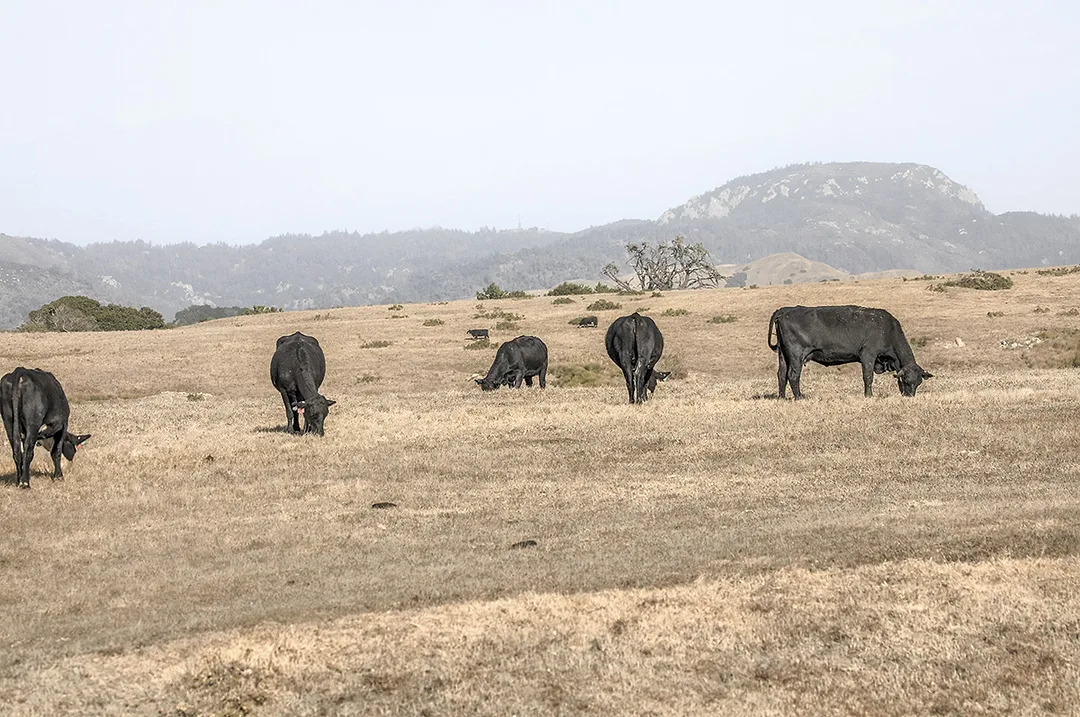
Late-summer grazing management often takes careful consideration, especially when the potential of a drought is looming. From mid-July into September, even in average years, pasture forage growth slows or completes, and forage quality declines. In drought years, that natural seasonal shift intensifies into a more substantial challenge. Grass that once sustained a herd through the grazing season stops growing early, reducing overall biomass production, and water resources begin to tighten. For livestock producers, this period becomes a balancing act between meeting immediate cattle needs and protecting the long-term productivity of the land.

As moisture disappears, pasture forage production begins to slow. Cool-season grasses – such as many of the native Western rangeland forage species – and seeded pasture forage – like orchardgrass, smooth brome and crested wheatgrass – largely shut down under heat and moisture stress. Warm-season species may limp along but often fail to produce meaningful growth without adequate summer precipitation. At the same time, plants that remain often mature rapidly. What looks like standing forage can be misleading, as regrowth and recovery potential is minimal.
Due to the lack of biomass production under drought conditions, cattle graze plants closer to the ground, searching for higher-quality bites that are increasingly scarce. This grazing pressure comes at a cost. Removing too much plant material limits the plants’ ability to photosynthesize, weakens root systems and reduces their ability to recover in the following growing season. Decisions made during the grazing season during a drought determine not just how cattle perform but how well pastures will respond when moisture eventually returns.
One of the most important and consequential decisions producers face in a drought year is whether to adjust stocking rates. It is rarely an easy choice, but it is often the most impactful. Maintaining normal stocking levels when forage production has declined almost guarantees overgrazing, as cattle still have the same nutritional and intake requirements. Over time, that leads to reduced plant vigor, thinning stands and, in severe cases, long-term degradation of the pasture resource.
Producers have several ways to reduce grazing pressure, each with different economic and operational implications. Early weaning is one of the most effective tools available. Removing calves at around 120 days of age significantly reduces the nutritional demand on cows, allowing them to maintain body condition on lower-quality, sparser forage. It also reduces overall pasture consumption at a critical time. However, in these scenarios, careful planning of calf management and nutrition after weaning is required to maintain production. Strategic culling is another option, particularly for open cows, older animals or those with poor performance history. Marketing these animals earlier in the season can also help avoid the price drops that often occur when widespread drought forces many producers to sell at once. Some operations may also explore relocating cattle to leased pasture or areas with better forage availability, though this depends on regional conditions and cost.
Even after adjusting herd size, the way cattle are managed on pasture can make a substantial difference. Leaving adequate residual forage is essential. Maintaining a stubble height of at least 3 to 4 inches helps preserve enough leaf area for photosynthesis and protects root reserves. It also improves moisture retention at the soil surface, which can make a meaningful difference in plant survival during extended dry periods.
Grazing systems that allow for rest, such as rotational grazing, can be especially valuable during drought, though they require adjustment. Rest periods often need to be longer than usual, as plant recovery is slower without adequate moisture. Grazing periods, in turn, should be shorter to prevent overuse of any one area. In situations where forage is extremely limited, some producers designate a smaller pasture or drylot where cattle are fed hay or supplements. While this concentrates impact in one location, it protects the majority of the acreage from overgrazing and potential lasting damage.
Water availability, often taken for granted earlier in the season, can become a critical constraint by late summer. Stock ponds shrink, streams slow and, in some cases, wells may not keep up with demand. The distance cattle must travel to water can increase, leading to additional energy expenditure and reduced grazing efficiency. Monitoring both the quantity and quality of water becomes increasingly important. Poor water quality, whether due to salinity, algae or other contaminants, can reduce intake and further stress animals. In response, some producers may need to develop alternative water sources, haul water or install temporary tanks to improve distribution and relieve pressure on heavily used areas.
As forage quality declines, nutritional management becomes a central concern. By late summer, many pastures no longer provide sufficient protein or energy to meet the needs of lactating cows. Without intervention, cattle will begin to lose condition, which can carry over into reduced reproductive performance and compromised health.
Targeted supplementation can help bridge this gap. Protein is often the first limiting nutrient in mature forage, and providing a protein supplement can improve rumen function and increase the efficiency with which cattle utilize available forage. Close monitoring of body condition scores (BCS) is essential during this period. Cows should ideally maintain a BCS of 5 heading into calving and maintained through the breeding season. Cattle are at their lowest nutrient requirements after weaning, no longer having the nutrient demands related to lactation. If body condition begins to slip in the late summer and fall, modest changes in protein supplementation can have a substantial impact on regaining condition going into winter and the following calving season. Early weaning, beyond reducing grazing pressure, again plays a role here by allowing cows to maintain or regain condition more efficiently.
While managing immediate forage needs, producers must also look ahead to winter feeding. Drought often reduces hay production, and by late summer, it becomes clear whether stored feed supplies will be adequate. Evaluating inventories early allows for more flexibility in decision-making, whether that means purchasing hay, sourcing alternative feeds or further reducing herd size. Options such as grazing crop residues or integrating byproduct feeds can help stretch limited resources, but they require careful nutritional planning. Testing feed, including hay and drought-stressed forages, is particularly important to avoid issues such as nitrate toxicity.
Throughout all these decisions, the underlying priority remains the same: protecting the long-term health of the pasture. Grasslands are resilient, but they are not indestructible. Severe overgrazing during drought can set back productivity for years, increasing weed pressure and reducing carrying capacity. Maintaining ground cover helps prevent soil erosion, protects moisture and supports the biological processes that will drive recovery.
Eventually, weather patterns shift and moisture returns. When that happens, the condition of the pasture will reflect the management decisions made during the drought. Operations that maintain residual cover, protect root systems and avoid excessive stocking typically see more rapid and vigorous regrowth.
Summer grazing amid drought can be one of the most challenging scenarios livestock producers face, but it also highlights the importance of adaptive management. There is no single strategy that fits every operation, and each decision carries economic and practical considerations. Still, a consistent theme emerges across successful operations: Those who act early, adjust proactively and prioritize the health of their forage land base are better positioned to endure the dry years and capitalize on the wet ones.
In the end, pasture and cattle management during drought is not just about surviving the current season. It is about sustaining a system that can recover, produce and thrive over the long term. When grass is short and conditions are uncertain, the most valuable perspective a producer can carry is a simple one: Manage today with the future in mind.