We use cookies to provide you with a better experience. By continuing to browse the site you are agreeing to our use of cookies in accordance with our Cookie Policy.
  • Sign In
  • Create Account
  • Sign Out
  • My Account
subscribe / renew
  • Livestock
    • Beef
    • Dairy
      • Canada
      • U.S.
    • Sheep & Goats
    • Other Livestock
  • Crops
    • Grains
      • Barley
      • Wheat
    • Hay
    • Pasture
    • Ensiled Forages
  • Equipment
  • Magazines
    • Progressive Dairy US
    • Progressive Dairy — Canada
    • Progressive Dairy – en francais
    • Progressive Forage
    • Progressive Cattle
    • Progressive Cattle - Canada
    • Idaho Ag Proud
  • Blogs
  • Buyers Guide
  • Advertise
  • Ask AgProud

Progressive Dairy

Progressive Dairy Canada

PD Canada en Francais

Progressive Cattle

Progressive Cattle Canada

Progressive Forage

Agproud Idaho

Home

Home » feed sampling

Articles Tagged with ''feed sampling''

Feed variability outlook: Maximizing nutritional consistency

Frequent sampling and averaging improve accuracy, enabling better ration adjustments, reduced risk and increased profitability despite inevitable nutrient fluctuations.
May 19, 2026
Katie Raver

Feed costs are the largest contributor to total costs on a farm, so identifying opportunities to optimize feed ingredients without sacrificing nutrition to the cow should garner appropriate attention. However, very few resources are available to help us check and predict feed variability.


Read More
63123-hawkins-1.jpg

U.S. harvest analysis 2025: Not the same old story

It is highly recommended to test all feedstuffs and total mixed rations for mycotoxins to know exactly how to assess the risk for efficient livestock health and performance.
April 3, 2026
Max Hawkins

Corn products produced in 2025 will present challenges to livestock and poultry production. Although the mycotoxin risk varies by region and within region, it is highly recommended for producers to test for mycotoxins from how many mycotoxins are present to which mycotoxins are present. 


Read More

Safeguarding feed: Getting the most from forage even in tough times

By making thoughtful small changes like optimizing forage use and incorporating intelligent feed solutions, dairy operations can stretch existing feed supplies further without compromising milk production or herd health.
July 22, 2025
Sarah Stocks

One opportunity producers and nutritionists can leverage today is to improve feed efficiency through precise forage management and strategic nutritional technologies. By making thoughtful small changes like optimizing forage use and incorporating intelligent feed solutions, dairy operations can stretch existing feed supplies further without compromising milk production or herd health.


Read More

Mycotoxin strategies should prevent, protect and build resilience

Three strategies to mitigate the effects of mycotoxins found in feed.
July 16, 2025
Joel Pankowski

New mycotoxin species emerge every year and spread rapidly to affect livestock. Protecting cows from these pathogenic pressures is important to protect cow health and maintain a productive herd. Gut health has never been more important, which adds to the critical nature of a mycotoxin mitigation strategy.


Read More
61459-bryan-getty.jpg

Mitigating mycotoxins: The three-legged milking stool approach

The three-legged milking stool for mitigating mycotoxins includes a research-proven silage inoculant, "binders" from multiple classes added to the TMR and effective probiotics fed to the cows.
June 13, 2025
Keith A. Bryan

Challenges with growing seasons, weather-related harvest delays and subpar silage storage can lead to mycotoxins in stored forages. Our three-legged milking stool for mitigating mycotoxins includes: a research-proven silage inoculant, binders from multiple classes added to the TMR and effective probiotics fed to the cows to help them help themselves.


Read More

Successfully transition your cows from one silage to another

Consider minimizing change, tossing bad feed, silage carryover, feed testing and risk management when changing silages.
May 29, 2025
Ben Jensen

Silage can be difficult to introduce into an animal’s diet, but once it is established, moving from one crop to the next produces a new set of challenges. When changing types of silage, or from crop to crop, here are some things to consider.


Read More

The data TMR: From silos to mixed rations

Dairies and consults should consider how technology can be integrated with existing datasets to leverage the information to its full extent. The goal should be finding a way to turn individual data silos into a data TMR.
April 3, 2025
Katie Raver

Just as feed handling and management has evolved greatly over the last 50 years, the same will be true about data management as we move into the future. Identifying all of the data silos on farms and working to integrate them into a singular dataset will empower dairies to make more informed decisions that yield more substantial results quicker.


Read More
61153-hawkins-1.jpg

Mycotoxin risks within the 2024 corn crop

The weather had an impact on the corn crop for 2024. Corn silage has a risk from multiple mycotoxins, with type B trichothecenes being the greatest.
March 23, 2025
Max Hawkins

Corn silage has a risk from multiple mycotoxins, with type B trichothecenes being the greatest risk. Stored corn grains may be at greater risk due to damaged kernels and a higher percentage of foreign matter.


Read More

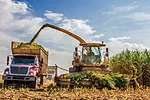
Unlock cows’ full potential through consistency

Taking small steps like monitoring mixed accuracy, evaluating tolerance limits and maintaining an appropriate sampling schedule on-farm can help improve feed consistency.
May 14, 2024
Katie Raver

High-performing dairy cattle can be likened to high-performing athletes, and their ability to perform to their full potential is also tied to their routine’s consistency. From milking to feeding, our steadiness on the farm is an important part of herd success.


Read More

Reducing feed ingredient variability: Know your source of distillers

Strategies to source ingredients from a single producer can help minimize variability and the negative effects on animal performance.
February 27, 2024
Kevin Herrick

Several of the ingredients we consider as “byproducts” or “coproducts” do have quite a bit of variability. Wet brewers grains, corn gluten feed and soyhulls have elevated standard deviations for all nutrients.


Read More
Previous 1 2 Next
  • RECENT ARTICLES
  • 63555-pearce-dry-pasture-getty.jpg

    Is managing for drought the new norm?

    June 12, 2026
  • 1026pd-digital-edition-feature-spot.jpg

    June 12, 2026 Progressive Dairy digital magazine

    June 12, 2026
    • Land rental rates for Idaho agricultural operations

      June 12, 2026

FREE NEWSLETTERS

Award-winning coverage of in-depth news and analysis to make your business more profitable.

SIGNUP TODAY
Advertisement
THE GUIDE

How do I get my company listed in your Buyers Guide? 
Submit a request to be listed for FREE in the Buyers Guide here.

Why can I only see so many articles before I have to register for the site?
Find out why here.

SUBSCRIBE to Leading Industry Magazines

Award-winning coverage of in-depth news and analysis to make your business more profitable.

Subscribe/Renew
Advertisement

I'm looking for ________

Find the right products and services for your farm, ranch or operation.

CHECK OUT OUR BUYERS GUIDE
Advertisement
  • FEATURED PODCASTS
  • [Podcast] Changing the Rules of Pre-Fresh Dairy Cows

    Progressive Dairy
    Podcasts
    SPONSORED BY Applied Biotechnologies Inc.
  • [Podcast] Selling Calves in a Record Market: What Ranchers Need to Know Right Now

    Progressive Cattle
    Podcasts
    SPONSORED BY Superior Livestock Auction
PERSONALIZED CONTENT
Create an account and see website content tailored to your operation.  It only takes a few seconds!
SEE RECOMMENDATIONS NOW!
Copyright © 2026 Progressive Publishing

MORE INFORMATION
  • About Us
  • Terms & Conditions
  • Privacy Policy
  • FAQs
  • Advertise
  • Shop
  • Stats Posters

OUR MAGAZINES
  • Progressive Dairy
    • Facebook
    • Twitter
    • Linkedin
  • Progressive Dairy — Canada
    • Facebook
    • Twitter
    • Linkedin
  • Progressive Dairy — en français
    • Facebook
  • Progressive Cattle
    • Facebook
    • Twitter
    • Linkedin
  • Progressive Cattle — Canada
    • Facebook
    • Linkedin
  • Progressive Forage
    • Facebook
    • Twitter
  • AgProud — Idaho
    • Facebook
    • Linkedin

CONTACT INFORMATION

Progressive Publishing
238 West Nez Perce (physical)
PO Box 585 (mailing)
Jerome, ID 83338


info@progressivepublish.com
(800) 320-1424
(208) 324-7513 (Main)
(208) 324-1133 (Fax)