Five nostalgic smells that instantly take me back are fresh-cut alfalfa, the scent of a summer rainfall, newly printed magazines, freshly turned field dirt and chopped corn silage. Every year around late August, I’m reminded of the sights, sounds and smells of silage season on the dairy farm where I grew up. As a kid, it was a weeklong adventure – one where my dad and his best friends would come together, forming a small army of tractors, wagons and determination.

From a young age, I remember riding in the tractor cab with my dad, pressed up against the glass as towering rows of corn disappeared into the chopper, becoming corn silage that would feed our cows. When the silage packing was done, I’d do somersaults and log rolls down the silage bunker, laughing gleefully with my five siblings. As I got older and earned more trust, my job was to unlatch and relatch the silage wagons as they unloaded into the pit. Later that evening, I would also help throw tires and tarp down the silage pile.
Those memories remain etched in my mind, and they remind me of the teamwork and grit required to put up cow feed for the year ahead. Fast-forward to today, and silage season is no less crucial.
In her article, Sarah Stocks talks about how to safeguard feed and get the most out of your forages. She says one opportunity producers and nutritionists can leverage today is to improve feed efficiency through precise forage management and strategic nutritional technologies. By making thoughtful, small changes like optimizing forage use and incorporating intelligent feed solutions, dairy operations can stretch existing feed supplies further without compromising milk production or herd health.
“Today, total ration cost can range from 15 cents to 25 cents per pound of dry matter per head per day. According to reports, the average dairy herd size in the United States in 2024 was 377 head. Assuming a dry matter cost of 20 cents, a farmer with a herd of 377 cows eating 50 pounds a day spends 3,770 dollars per day in feed alone. With expenses like that, ensuring the forage harvested is high quality and stays that way is necessary,” Stocks writes
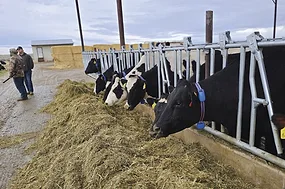
Renato Schmidt also notes in his article that maintaining quality isn’t just about preventing spoilage – it’s also about ensuring palatability. He mentions, “Much like humans, cattle won’t eat well what doesn’t taste or smell good. If forage is low quality going into the ration, the end result will be decreased nutritional value, reduced intake and poor performance. That’s why hygienic silage management practices, including during feedout, are essential.”
By following hygienic practices for silage feedout such as controlling water runoff around the silage pile, proper defacing techniques and drop pile management, and correct feedout rates, producers can reduce or prevent spoilage, maintain the original feed quality and improve herd performance.
The spirit of silage season remains, and I see it every year in the way dairy farm families and neighbors come together – just like we did on our farm when I was a kid. Silage chopping has always been more than just a week of hard work; it’s a community effort and the foundation for high-quality feed that keeps our cows fed year-round.