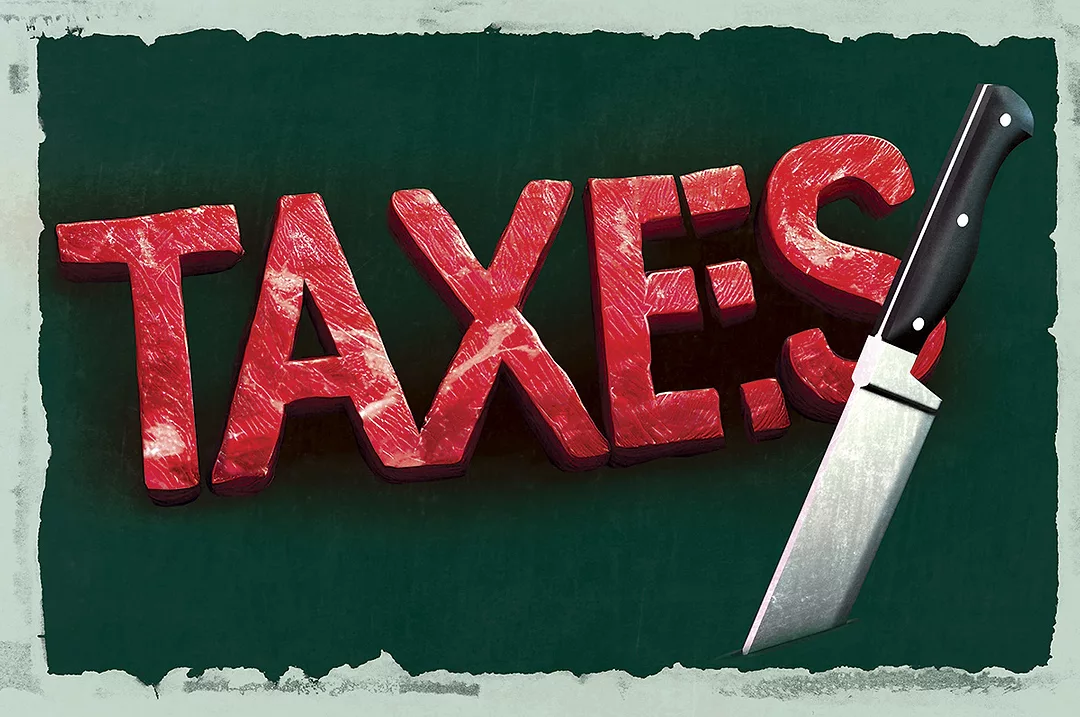
For the past several years, I’ve spoken to numerous groups about tax policy and where we are headed as a nation. I started these discussions by saying, “Where do we stand today …” and began talking through my views. As you can imagine, those views have evolved over time, especially following the most recent election. Nonetheless, despite my belief that we would have a tax package by the time you read this article, I don’t think we are any closer to it than we were in October of 2024.

We’ve all benefited from the 2017 Tax Cuts and Jobs Act (TCJA). However, most of its key provisions have declined in value to this point and/or will expire in 2026 without further legislation from Congress and the Trump administration. While I remain optimistic that we will receive favorable tax legislation soon, Republicans remain divided on the complex tax and economic package we expect them to pass.
The key provisions of the TCJA that will expire in the coming year are: 1) 199A deduction (20% deduction of pass-through income), 2) bonus depreciation, 3) lower income tax rates and 4) the lifetime estate and gift tax exemption (currently $13.99 million per individual or $27.98 million per married couple). The only TCJA provision that will survive past 2025 is the C-corporation tax rate of 21%. There is a lot riding on the coming year and tax legislation.
Among numerous issues to address such as a single bill with tax, immigration and other items (President Donald Trump’s preference) or two bills, the pivotal issue appears to be satisfying the deficit hawks in Congress. The concept being floated in Congress to satisfy the deficit concerns associated with a $4 trillion tax cut is the adoption of the “current policy baseline,” which would enable Congress to extend expiring tax cuts at no increased cost to the budget. Simply put, adopting this position provides Congress with the road to permanent tax cuts, among other tax measures, while having no impact on the budget. Further, to do so opens the door to new tax cuts Trump discussed during his campaign such as a higher cap on state and local tax deductions (currently limited to $10,000).
We will all be watching to see if Republicans can effectively use the current policy baseline to enact much-needed tax reform. If they are successful, this previously untested position will be viewed as not only aggressive but gimmicky amongst some and genius by others.
This article is provided for informational purposes only. Readers should consult their own professional advisers for specific advice tailored to their needs. Information contained in this article may be subject to change without notice.