Early weaning has become a valuable management tool for many cow-calf producers, particularly during drought, limited forage supply or when improving body condition on young cows is a priority. While pulling calves at 120 days or even younger can take pressure off the cow, it shifts nearly all responsibility for growth, health and performance onto the producer. The success of early weaning hinges on one critical factor: how well calves transition onto a new diet.

Understanding the calf at early weaning
In a conventional system, calves greater than 180 days old have a functional rumen to support digestion. From early on, a calf mirrors the cow’s behavior and begins to consume her feed, from grazing pasture, sampling mineral or consuming bunk-fed diets in confined operations. Dry feed is critical for rumen development. Early-weaned calves, however, have had less exposure to dry feed, more dependence on milk and a less developed rumen. Their rumen, while functional, may not be fully matured, meaning abrupt dietary changes can increase the risk of intake capacity, digestive upsets and poor performance.
The goal during early weaning is to support rumen development while maintaining consistent intake. This time is not about pushing maximum gain right away; it’s about building a solid foundation.
Preparation is key
One way to help prevent poor performance is preparation before weaning day, even if you’re not initially planning to early wean. A key tool producers use to prepare calves for self-reliance is creep feeding. Calves that are creep fed are more familiar with feedbunks and dry feed and will adapt faster postweaning, helping to reduce nutritional stress. What you creep matters. A palatable creep diet, moderate to high in protein (14% to 16% as-fed) and energy (65% to 70% as-fed TDN), supports early intake and trains calves to find feedbunks. Keeping the creep feeder full is equally important, ensuring trust in feed supply and consistent intake during their time with the dam.
Water access is equally important. Any opportunity to have calves and cows in a pasture or pen with a water supply comparable to what they’ll be weaned onto will help calves become accustomed to drinking from the tank or troughs before weaning. Regardless of cause, a lack of water will result in a lack of feed intake.
The first two weeks: Critical transition window
The first 10 to 14 days following early weaning are the most critical. During this time, intake will likely be both low and inconsistent, and calves are at the highest risk for health issues.
To encourage intake and support both growth and health performance, their starter diet should be:
- Highly palatable and consistent
- Nutrient-dense
- Contain adequate fiber
Many successful programs utilize a ration of high-quality grass, hay or a haylage base, combined with a modest inclusion of concentrate feeds such as cracked corn or a commercial grower mix. If there is a time of year for a producer to save and use their best-quality forage, this is it. Also, any supplemental feed in the form of a grain mix or complete diet should be formulated to be nutrient-dense and mindful of starch load. Weaning requires diets that are nutrient-dense enough to supply the required energy, protein and other essential nutrients, with low intakes of stressed calves.
A good rule of thumb is to aim for 1.5% to 2% of bodyweight in dry matter intake during the first week. Calves may not reach this target immediately, but monitoring bunk activity is essential. Slick bunks are not always the goal. The best indicator of success is comfortable calves with consistent intakes.
Managing the rumen environment
While rumen health is important during any diet change, early weaning creates greater concern for this topic. Ruminal acidosis risk is a key factor postweaning. Overconsumption and irregular intakes of concentrates like starch can lead to acidosis and bloat. This can happen quickly if calves become aggressive eaters after stress subsides.
To minimize this risk:
- Maintain sufficient roughage in the diet (at least 30%) during early transition phases.
- Avoid sudden, large increases in grain intake (both diet change and diet delivery).
- Consider feeding twice daily to stabilize intake patterns.
Including feed additives such as ionophores and natural supplements like yeast derivatives, plant extracts or natural organic compounds can help improve feed efficiency, drive consistent intakes and support animal health.
Bunk management and observation
Good nutrition on paper doesn’t guarantee performance in the pen. Early-weaned calves require close observation and hands-on management.
Monitor these things closely:
- Feed at the same time each day.
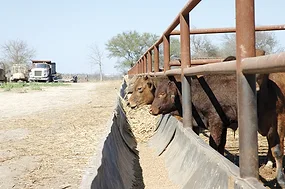
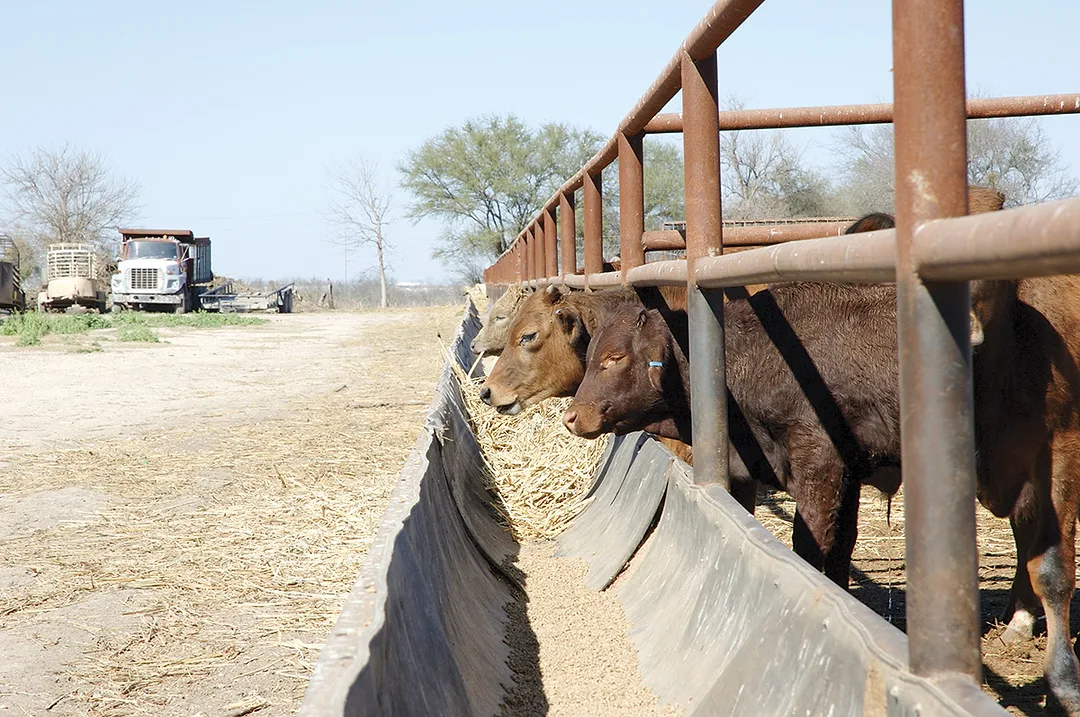
- Use clean, easily accessible bunks.
- Provide adequate bunk space (8 to 12 inches per head).
- Watch for shy or slow-eating calves.
Calves that hang back or fail to eat are often the first to get sick. Monitoring these animals early can prevent larger health challenges.
Health considerations during transition
Nutrition and health are tightly linked, especially during early weaning. Stress, dietary change and immune challenge all intersect in this period.
Work with your veterinarian to implement a sound vaccination program, preferably administered prior to weaning. However, nutrition still plays a major role in immune function. Beyond energy and protein, diets must also be balanced with key trace minerals (zinc, copper, selenium) and vitamins like A and E.
Calves that are short on nutrition will struggle to mount an effective immune response, making them more susceptible to respiratory disease.
Progressing the diet
Once calves are consistently eating and showing steady gains, usually after two to three weeks, you can gradually step up the energy density of the diet if desired. This is especially relevant if calves are destined for a backgrounding or feedlot phase.
Diet transitions should always be incremental, allowing the rumen microbial population to adapt over a period of seven to 10 days between changes. Sharp changes in energy density or ingredient composition can derail progress and set calves back.
Matching nutrition to production goals
Early weaning is not the time to push gain. Whether on cow-calf operations or in the feedyard, the objective is to maintain steady, efficient growth while minimizing health risk.
Targeting 1.5 to 2.5 pounds of daily gain is realistic for most early-weaned calves during the transition phase. Programs that chase higher gains often increase risk without proportional return.
Final thoughts
Early weaning can be a powerful management strategy, but it requires a shift in mindset. Once the calf is off the cow, nutritional and management precision take priority. Success lies in consistency, observation and gradual change.
Producers who invest the time to carefully manage diet transition will not only protect calf health but also set the stage for long-term performance, whether those calves stay on the ranch or move into the next phase of production.
In short, early weaning doesn’t just create stress in the calf; it puts the responsibility of that stress in our hands. When managed correctly, it’s an opportunity to add value where it counts most.