I promise warmer weather will come sometime soon.

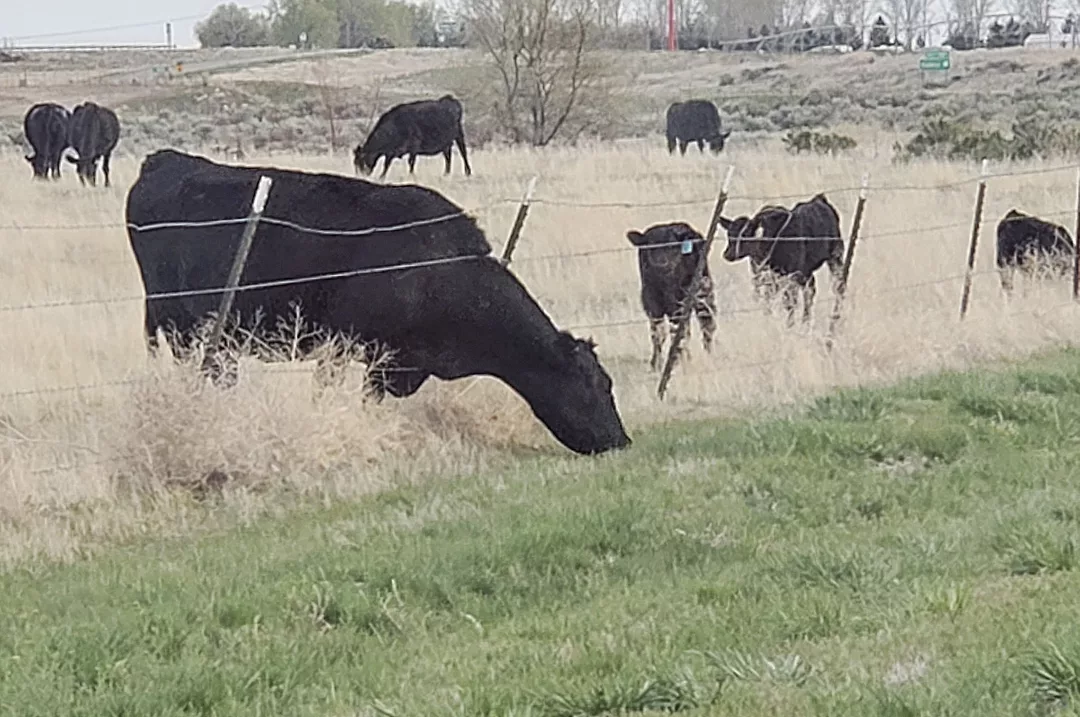
As the year transitions from winter to spring, producers are ready to stop feeding hay, and the livestock are eyeballing the “weakest link” in the fences to get to the green grass.
Hay is expensive; whether you need to buy it or you have to put it up, there is always a cost. Also, there is a cost and risk associated with handling the feed. Tractors, feeders and man-hours have a cost. Therefore, any time forage is harvested directly by the animal, cost and risk are reduced. Feeding is the largest expense in the cow business, so producers are always looking for ways to decrease these costs. Extending the grazing season in the fall with crop residue such as cornstalks works well – until the snow covers it up! Another way to extend or “start” the grazing season is to have a cool-season pasture available in the spring.
Grazing grass in the spring can be a no-brainer. However, what grass is available in February, March and April in the Pacific Northwest? Depending on your location, summer pasture is definitely not growing or may still be covered by the snow.
Cool-season grasses and cereal grains such as winter wheat, triticale, some bromes, ryegrass, fescue, wheatgrass and even that nasty cheatgrass may be growing! These types of plants germinated in the fall, got established and are hiding under the snow waiting for those “balmy” 40°F days to take off and grow. Producers who have secured this type of spring feed are not “out of the deep snow” yet. Just as with any feed, there are risks. Grass tetany can be an issue with the early spring feed. Understanding and preventing livestock health concerns is the best way to manage grass tetany.
Grass tetany
Grass tetany happens when the quick growth of spring grass does not uptake enough magnesium to provide for the nutritional needs of livestock. All classes of cattle can be affected by grass tetany. Bad storms and other forms of stress can also cause livestock to be “off feed” for 24 to 48 hours and can result in grass tetany. This stress causes a larger demand for magnesium and other minerals in an animal’s body. Calving cows change their mineral demands when they go from dry to lactating overnight. The cow needs more available magnesium; therefore, it is critical the feed provide enough magnesium during this time of stress.
Magnesium is not stored in an animal’s fat or muscle tissue, which means it needs to be constantly provided in the feed consumed. Ruminants only absorb magnesium in the rumen. The dietary requirement in ruminant species during pregnancy is 0.12%-0.15% of dry matter and increases to 0.2% with lactation. Moreover, the magnesium in colostrum, the mother’s first milk, is three times what it is in milk during the rest of the lactation period. Legume plants, including alfalfa and clovers, most often contain high-magnesium (great than 0.2%) dry matter. Feeding legumes provides some protection against grass tetany. Remember, some legumes can cause bloat, so the transitioning of feed is important. Cool-season grasses are known to be lower in this essential mineral, especially during periods of rapid growth. Potassium (K) and nitrate (N), which are higher in quick-growing forages, can compromise or reduce the amount of magnesium absorbed in the plant.
Grass tetany symptoms include staggering, convulsions, excitability and twitching, and it can result in death. Death from grass tetany can occur rapidly, therefore signs may not be observed. Symptoms progress over four to eight hours as follows: muscle twitching, excitability, eating away from the herd, muscle incoordination and staggering, collapse, writhing, head thrown back, coma and, finally, death. Affected animals should be moved with low-stress handling techniques because stress can cause sudden death.
Treatment options are available. When treatment is started within one or two hours of signs, the recovery can be quick. Grass tetany can be treated with an intravenous and/or subcutaneous administration of a dextrose-base calcium-magnesium solution. Treat affected animals as soon as possible according to a protocol developed with your veterinarian.
Grazing tips
Things to consider when preventing grass tetany while using cool-season grasses:
- Provide a high-magnesium mineral block two to four weeks before turnout and while on the quick-growing forage. Please note that livestock might not readily consume the magnesium blocks provided; watch the consumption of these blocks and adjust as needed.
- Feed hay before turning out onto grass pastures. When turning out to fresh feed, feed the cows hay and then release them into the new pasture. This uses animal grazing behavior and rumen fill to help reduce the amount of fresh feed they will consume on the first day. This reduction in fresh forage allows the rumen to adjust to the feed changes.
- Provide access to free-choice hay. This allows access to more fiber. Fast-growing young plants do not have much fiber when compared to mature grasses. Cows need 35% neutral detergent fiber (NDF) and 18% acid detergent fiber (ADF) in their diet, which allows the rumen microbes to function properly. Cows will prefer green forages, and they and their calves will scour if they are not provided fiber. Free-choice hay allows their instinct to tell them when they need more fiber.
- Legumes contain more magnesium. Provide some legumes in late pregnancy into early lactation. Remember, some legumes can cause bloat, so be cautious.
- Delay turnout until plants are more mature and are 4 to 6 inches tall; there will be more fiber and magnesium present.
In summary, the grass is always greener on the other side, but remember to implement grass tetany prevention practices with cool-season grasses. This includes feeding hay before turnout to adjust the rumen to feed changes and provide access to fiber and a mineral block, using legumes with caution or delaying turnout until cool-season plants are more mature. Furthermore, monitor livestock for symptoms and treat them as soon as possible.
Enjoy not feeding hay and watching your cows graze on those early pastures.