Dairy farmers face numerous challenges in maintaining herd health and productivity, with hoof health playing a critical role in overall cow well-being and performance. Lameness negatively impacts milk production, fertility and longevity, making proactive hoof care essential for any dairy operation. By partnering with farm owners, on-farm consultants can play a crucial role in enhancing key skill sets and implementing a comprehensive hoof health management plan.

This article explores how on-farm consultants can work with dairy farmers to develop effective strategies, focusing on key areas such as hoof training, locomotion scoring, digital dermatitis (DD) or hairy heel warts monitoring, nutrition and overall management practices. Through a collaborative approach, farms can improve hoof health, reduce lameness incidences and, ultimately, enhance profitability.
1. Hoof training for farm staff
One of the most impactful ways to improve hoof health on a dairy farm is by ensuring farm personnel have the proper skills to identify, prevent and manage hoof issues. Many farms rely on external hoof trimmers who visit periodically, but daily monitoring and basic hoof care training for farm staff can bridge the gap between trimming sessions.
How consultants can help:
- Providing hands-on training sessions in basic hoof trimming for farm employees
- Educating staff on early signs of lameness and the importance of catching issues before they worsen
- Training safe and efficient handling of cattle to minimize stress on both cows and workers during hoof inspections
- Helping farms establish hoof care protocols to standardize when and how interventions should occur
- Analyzing hoof records to determine ideal trim intervals for the dairy herd to prevent future lameness issues
By equipping farm employees with the knowledge and confidence to handle minor hoof issues early, farms can prevent and even eliminate more severe cases of lameness and reduce treatment costs.
2. Implementing locomotion scoring for early detection
Locomotion scoring is a valuable tool that allows farms to assess cow mobility and detect lameness in the early stages. The challenge is that many farms lack a consistent scoring system or fail to complete it each week.
How consultants can help:
- Training farm staff on how to accurately assess locomotion scores and recognize subtle changes in gait
- Establishing a routine scoring schedule (i.e. every cow gets watched once per week) to track hoof health
- Guiding farm managers in using locomotion data to make informed decisions on trimming schedules, cow comfort and facility improvements
- Providing benchmarking data to help farms compare their locomotion scores to industry standards
- Tracking locomotion scoring throughout the year to see if there is improvement
By making locomotion scoring a routine practice, farms can address lameness earlier, improving cow welfare and performance.
3. DD monitoring
DD, commonly known as hairy heel warts, is a prevalent and painful hoof disease in dairy cattle. Left unchecked, it can spread rapidly through a herd, leading to economic losses due to reduced milk yield and increased culling. DD monitoring provides a way to assess and manage outbreaks on a farm.
How consultants can help:
- Introducing farms to the DD scoring system, which categorizes lesions by new lesions and chronic lesions
- Training workers to properly identify the earliest stages of DD
- Developing a treatment and prevention plan that includes footbath frequency and concentration, topical treatments and cow foot hygiene
- Monitoring DD infection rates and adjusting protocols as needed
By actively monitoring and managing DD like we already do with mastitis, we can improve hoof health, reduce antibiotic use and maximize cow comfort.
4. Nutrition for healthier hooves
A well-balanced diet plays a significant role in hoof integrity. Deficiencies in key minerals can contribute to poor hoof integrity, thin soles and increased lameness risk. On-farm consultants, particularly those with expertise in dairy nutrition, can fine-tune rations to support hoof health.
How consultants can help:
- Working with farm nutritionists to ensure adequate levels of the big three performance trace minerals – zinc, copper and manganese – as these micronutrients are essential for hoof health
- Evaluating dry matter intake and ration consistency to minimize digestive upsets that affect hoof health
Aligning proper nutrition with correct functional hoof care will reduce lameness incidence.
5. Enhancing facilities and cow comfort for better hoof health
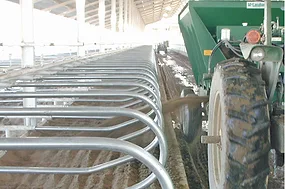
Even with excellent training, monitoring and nutrition, environmental factors play a significant role in hoof health. Poor flooring, overcrowding and poor stall design and/or stall maintenance can all contribute to lameness. Consultants can help identify facility-related risk factors and suggest improvements.
How consultants can help:
- Assessing flooring conditions and recommending grooving to improve traction – if thin soles are present, recommending areas to install rubber to reduce hoof wear
- Evaluating stall design and bedding materials to promote cow comfort and reduce standing times, as factors such as bedding frequency, amount and material are all important cow comfort factors
- Training employees on proper stockmanship and how to handle cows in a way that minimizes stress for the animal, reducing hoof trauma
- Evaluating time budgets for the cows
- Evaluating footbath design, chemical concentrations and frequency of use
- Analyzing hoof health records to evaluate the effectiveness of current management practices
By focusing on cow comfort and facility design, farms can create an environment that supports optimal hoof health and reduces lameness.
Conclusion
Hoof health management has various challenges that require a proactive, team-based approach. By partnering with farms, on-farm consultants can provide essential training, implement monitoring programs, optimize nutrition and improve cow comfort, all of which contribute to healthier cows and increased profitability.
Through education, consistency and data-driven decision-making, we can make the dairy farm a great place for the cow.
Building a long-term hoof health management plan
A successful hoof health strategy is an ongoing process. It requires monitoring, adjustments and commitment. On-farm consultants can play a key role in helping farms develop and implement a long-term hoof health plan that aligns with their specific challenges and goals.
Key components of a strong hoof health plan:
- Regular hoof trimming schedules based on days in milk, locomotion scores and herd needs, ensuring that the claws are well-balanced and healthy before stressful periods in the cow’s life
- Weekly locomotion scoring of all dairy cows
- Consistent monitoring of lameness rates, DD and sole thickness trends
- Staff training programs to keep farmworkers engaged and skilled in hoof care
- Collaboration with nutritionists and veterinarians to integrate hoof health with overall herd management
- Track improvements and identify areas of needed improvement
By fostering a collaborative partnership between farm teams and consultants, dairy operations can enhance key skill sets, reduce lameness and improve overall herd performance.