Today’s ranchers are exploring a large range of diversification approaches for almost as many different reasons. Strategies and their potential results might focus and depend on productivity, environmental stewardship, economic strength, family succession or some other more obscure target. For many, this call to action has risen to the top of the to-do list. As market demands change, climate challenges ramp up and consumer preferences evolve, diversification has become an essential strategy for growth and longer-term viability.

The U.S. currently hosts approximately 600,000 ranches. It’s a loose term, as two-thirds raise fewer than 50 animals – a woeful depiction of our typical mind’s-eye view of panoramic and rugged beauty spread over wide-open spaces.
The nation’s most recent census suggests the average annual net cash income is less than $5,000 per operation.
“These numbers confirm a significant need for off-farm income or income other than the typical raising of cattle to stay afloat,” says John Ritten, a professor and agricultural economist at Colorado State University. “It’s not a high-return business to begin with. Finding the means to keep things running is challenging, and many look for profit in innovative ways.”
Perhaps surprisingly, Ritten says money isn’t the main reason ranches explore diversification. He believes most people are in the profession because of lifestyle, tradition, family connections or ties to the land. While these reasons may be honorable, land payments and bills keep coming. Many consider changes to ensure they have the funds to balance their reasons.
Expanding might mean large-scale adjustments like switching from cattle production to a dude ranch or hunting site. It could consist of minor shifts like adding registered animals to a commercial operation or taking on a secondary job.
“There are so many ways to diversify and just as many reasons to do it,” says University of Nebraska – Lincoln Agricultural Economics Extension Educator Shannon Sand. “From an economic standpoint, diversification spreads opportunities and shifts risk over multiple areas.”

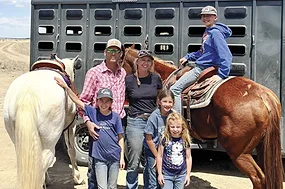
Marketing grass-fed, hormone- and antibiotic-free beef has allowed Ishawooa Mesa Ranch to increase the ranch’s long-term economic sustainability. Image courtesy of Ishawooa Mesa Ranch.
Desert adaptations: A full-service guest experience
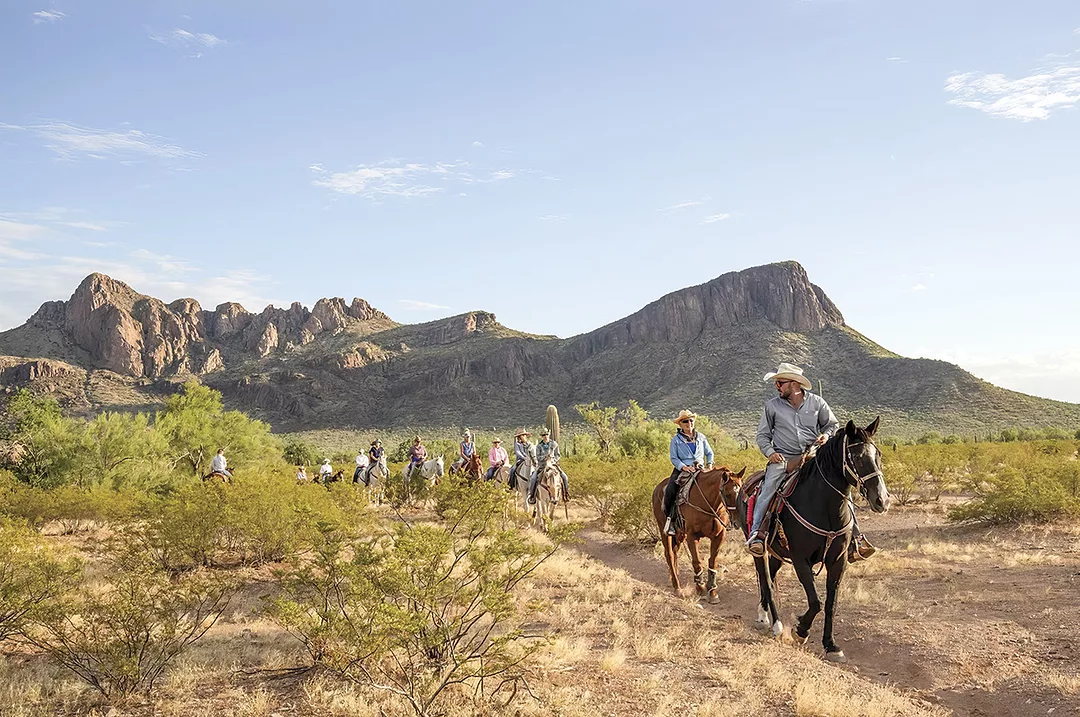
Tucson, Arizona’s White Stallion Ranch began as a large-scale cattle operation, adding a dude experience 80 years ago. Today, the multifaceted business features a full spa, rock climbing, e-bikes, archery, ax throwing, crafts and entertainment nights. The animals they continue to raise are part of weekly rodeo presentations.
“Largely due to our proximity to the Tucson airport, we more recently expanded our market offerings to match our easy access,” says White Stallion Ranch owner Russell True. “No specific moment drove us in this direction, but our hard work has paid off and we’ve put most of the profit into steady improvements. Since we’ve lived here nearly all our lives, much of what we do is driven by pride of ownership.”
White Stallion Ranch has taken change to an even higher level by hosting 34 feature films, over 250 television productions, commercials, documentaries, reality shows and CMA award-winning music videos.
“With the clarity of hindsight, it was the right thing,” True says. “I’d suggest anyone looking to supplement their income consider tourism, as it can take relatively little investment if repurposing or renovating existing infrastructure. My caveat is: Seriously assess your capacity and personality for the hospitality business. Working directly with the public has inherent challenges.”
Pivoting from a standard to a simpler approach
In 2005, the Ishawooa Mesa Ranch of Cody, Wyoming, pivoted from a traditional cattle production unit to a producer of direct-to-consumer, grass-fed, hormone- and antibiotic-free finished beef, lamb, pork and poultry. The ranch fattens and butchers 35 cattle, 20 hogs, 18 lambs and 150 broiler chickens annually. Much of this produce supports their primary ownership group, Darwin Ranch, which uses these natural products in their own guest and dude operation.
Additionally, Ishawooa Mesa’s grass-finished beef is sold to local restaurants and area farmers markets, while their packaged meat is delivered to local customers.
“We switched to get away from being tied into pricing and the typical ways of doing things,” says ranch manager Greg Hertel. “We wanted to eat healthily, plus consumers showed interest in what we were doing. This combination pushed us to change things.”
Hertel says the move was gradual, beginning with replacing the cow herd with more suitable females, moving from late winter to summer calving and slowly shifting to grass-finishing beef.
“It was a successful transition, as most of the steps were common sense without the restrictions of traditional practices and holdups,” Hertel says.
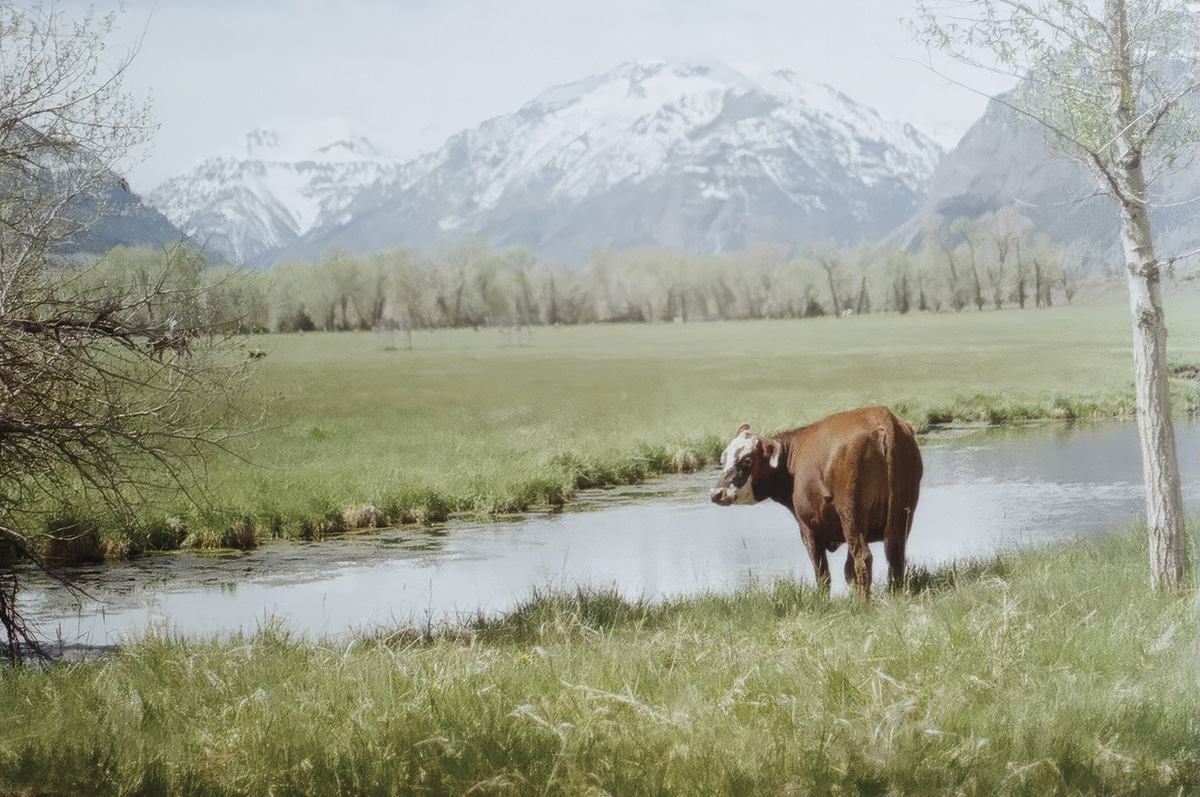
Ishawooa Mesa Ranch switched to raising grass-fed beef to become less dependent on potential price swings in the traditional market. Image courtesy of Ishawooa Mesa Ranch.
The draw of the land
“Most ranchers consider themselves eco-engineers and strong land stewards and don’t want their property to stray too far from its current working landscape,” Ritten says. “They typically fear industrialization, commercialization and residential development, which they view as negatively impacting ecosystems, water sources and wildlife.”
Sand agrees and believes technology offers the potential to sway options and help facilitate diversification pathways while retaining land.
“Our children are intelligent and generally have a mind full of ideas,” she says. “Technology can make a huge difference in how those ideas could come to fruition,” she adds.
She encourages families with children interested in returning to the farm or ranch to insist they bring along a business idea.
“The idea is the beginning of the process, and a plan is the continuation,” Sand says. “The degree of change depends on size, financial capacity, available investment and idea validity. It’s OK to start small. Everything hinges on our unique level of risk tolerance.”
Ritten recommends those considering diversification work through the details on paper before jumping in.
“Do a market analysis, identify customers, look at production costs and processing capacity, available time and how much value it will add,” he says. “Ensure the idea and the plan fit your ranching values because you can’t sell what you want to produce; you must produce what consumers want. My biggest concern is shifting into an area of unfamiliarity without a good business plan. That’s a recipe for more risk.”
He emphasizes the value of checking with extension services, universities and USDA programs for direction.
“Diversification spreads out risks,” Ritten says. “Learn from those who have failed and those who have succeeded. Try to approach each possibility in a new way.”