What if having a safer workplace would help attract veterinary graduates to pursue their board certifications in large-animal practice? What if eliminating preventable work-related injuries could add 21 days of productivity to a large-animal veterinarian’s annual route?

I parsed these two marketing pitch identifiers from a 2021 Lisam article titled, “Staying safe: How safety affects employee retention,” and turned the focus on veterinarians. Lisam is a global provider of environmental safety and health standards compliance (EHS).
When’s the last time an EHS compliance trainer came to your farm on behalf of the veterinarian profession to talk about direct contact, fatigue, ingestion, inhalation, needle-stick and vector injuries?
We all recognize the long hours working by day, client expectations, physical demands of the job, contact dermatitis and upper body, thigh and foot physical injuries are par for the course in large-animal handling. Have we adopted on-farm safety and health standards with our veterinarian in mind for the following most-reported occupational hazards?
Direct contact injuries
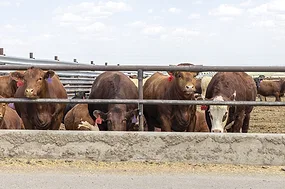
Tie those hooves. Pad those horns. Secure those gates. Evaluate the "space" around your cattle chute for knockdown impalements. Spring test your cattle chute mechanics to see if any of the handles or locking mechanisms are going to be in your vet’s blind spot. Have a sturdy chute-length bench for your short-statured vets. Have a solid-built, functional and safely installed cattle chute. Have only skilled helpers assisting with veterinary visits. Require everyone handling cattle to wash up and suit up in the appropriately fitted coveralls, gloves, mask and goggles to minimize snags and cross-contamination.
Needle-stick injuries
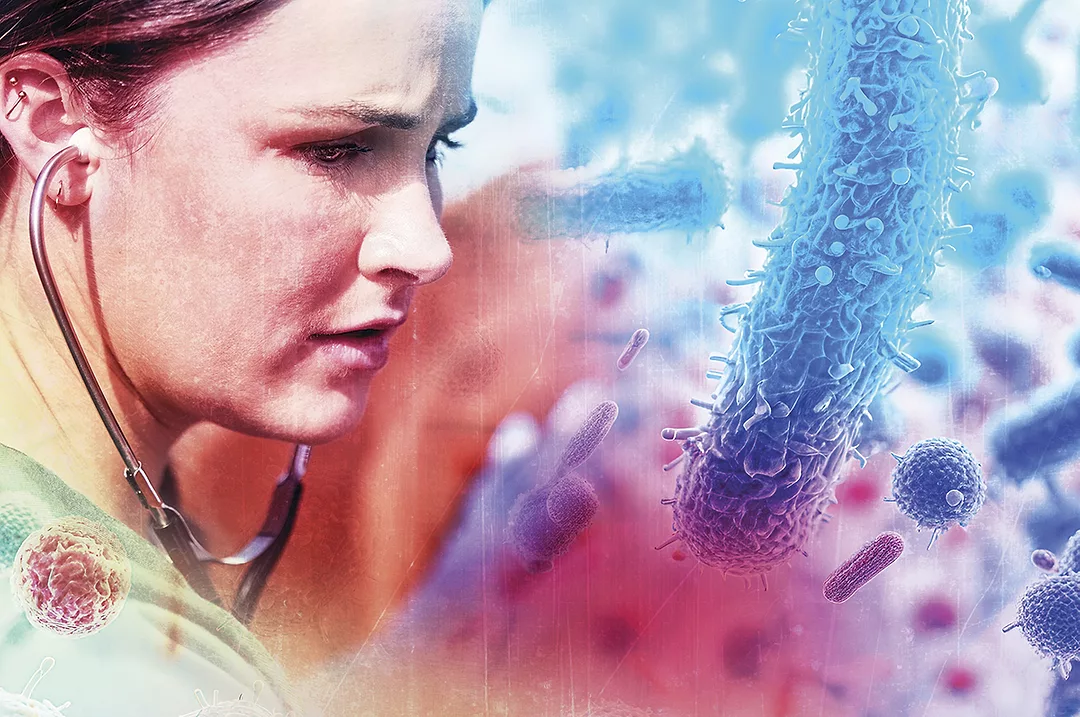
Vets are called on to treat more than 25 different zoonotic respiratory and gastrointestinal diseases of cattle. Not only can they be infected by the disease agent, but they can also be sickened by the drug treatment.
Chemotherapeutic agents and hormone drug exposures
In a 2018 AVMA study, “A census of veterinarians in the United States,” it was estimated that 39% of the workforce were between the ages of 22 to 47, and the mean age at graduation was 29. Those are "child-bearing" years. Male or female, their reproductive fertility status and future progeny can be directly impacted by adverse drug reactions. Remember, more than 61% of veterinary students are female.
Zoonotic respiratory and gastrointestinal infections
There are more than 35 zoonotic diseases listed as present in the United Kingdom (U.K.), in the UK 2019 Guidance List Of Zoonotic Diseases. The next time you're online shopping for a gift for your veterinarian, I’d suggest sending a copy of the Iowa State College of Veterinary Medicine’s seven-page “Zoonotic diseases of cattle disease and prevention” list to your local printer and post it where you keep your herd health supplies.
The United States’ “National list of reportable animal diseases” includes 14 that are bovine-specific. Eight on the list are known or presently active outbreaks in a region or zone.
Bovine babesiosis
This tick-borne disease, once enzootic throughout the southern United States, is still present in Texas and farther south. If your farm’s spread out along a 400-mile quarantine running through Cameron and Willacy counties, Texas, familiarize yourself with this tick’s etiology. Implement the necessary precautions to keep your veterinarian tick-free while handling your livestock.
Below are four more examples of zoonotic incidences as identified in “Occupational hazards in veterinarians: An updating," Journal of Veterinary Science & Technology.
- Methicillin-resistant Staphylococcus aureus: A case study on resistant S. aureus outbreak in a 300-ewe-flock herd in Ohio reiterates the precautions all livestock producers must take with mastitis. A study reporting the prevalence of MRSA in veterinarian personnel and animal workers worldwide was published in the 2021 issue of the Irish Veterinary Journal. Livestock-acquired S. aureus is out there. Necropsy, in particular, exposed veterinarians. The litany of toxins produced by the bacterium can create mild to life-taking disorders. Testing can determine if human hosts are persistent carriers, intermittent carriers or noncarriers. Screen, quarantine livestock purchases and have an honest talk with your veterinarian about any mastitis problems, past or present. Stock up on those N95 masks. The Centers for Disease Control and Prevention (CDC) has published guidelines on using a 30-second steam bath at 100ºC (212ºFto effectively kill S. aureus on N95 masks.
- Coxiellaburnetii: Q fever became a reportable disease in 1999. The bacteria are found in the placenta, amniotic fluid, urine, manure and milk of infected animals. In 2019, more than 150 acute cases were reported to the CDC. “The cases are most frequently reported (CDC Q Fever Epidemiology and Statistics) from Western and Great Plains states where ranching and rearing of livestock are common. More than one-third of cases (36%) are reported from three states (California, Texas and Iowa).”
- Bartonella species: In an aptly titled paper, “Detection of Bartonella species in the blood of veterinarians and veterinary technicians: A newly recognized occupational hazard?” 28% of the veterinary technicians reportedly tested positive for exposure to this Lyme-causing bacterium. It’s very problematic here in my neck of the woods. Seven counties most affected by Lyme disease are in Pennsylvania (29.2% of cases), followed by New Jersey (11.7%) and New York (11.6%).
- Leptospira species: At least three veterinarians in the Occupational Hazards in Veterinarians survey acquired a leptospirosis infection treating an infected animal. That’s not surprising. It’s the most common zoonotic infection in the world, causing some 60,000 deaths annually. Leptospira outbreaks are reemerging globally in the cattle industry. It’s being driven by these prolonged periods of wet and warm weather conditions in the spring. Sharing of pastures and watercourses with wildlife is the mechanism for introduction. Outbreaks are inevitable when infected animals commingle in confinement, share water or feed troughs.
Livestock handlers can get leptospirosis after getting water or soil contaminated by cattle urine in their nose, mouth, eyes or a break through their skin. In addition to flu-like symptoms, infections can progress to dysfunction of the kidneys and liver called Weil disease. The main cause of death in critically ill patients is from leptospirosis pulmonary hemorrhage syndrome.
I’ll close with this citation for one of my favorite publishers. “Workers in veterinary medicine are exposed to a wide variety of workplace health and safety hazards. Many resources are available to help protect worker safety and health,” from the Merck Veterinary Manual.
One of these resources is an online course by the AVMA PLIT Trust titled “Veterinary Safety Manual.” Ask your extension livestock specialist to host a veterinarian safety day and watch it. After you read this article, take a walk around your cattle-handling facilities and ask yourself: "What can I do to prevent my veterinarian from getting injured?"