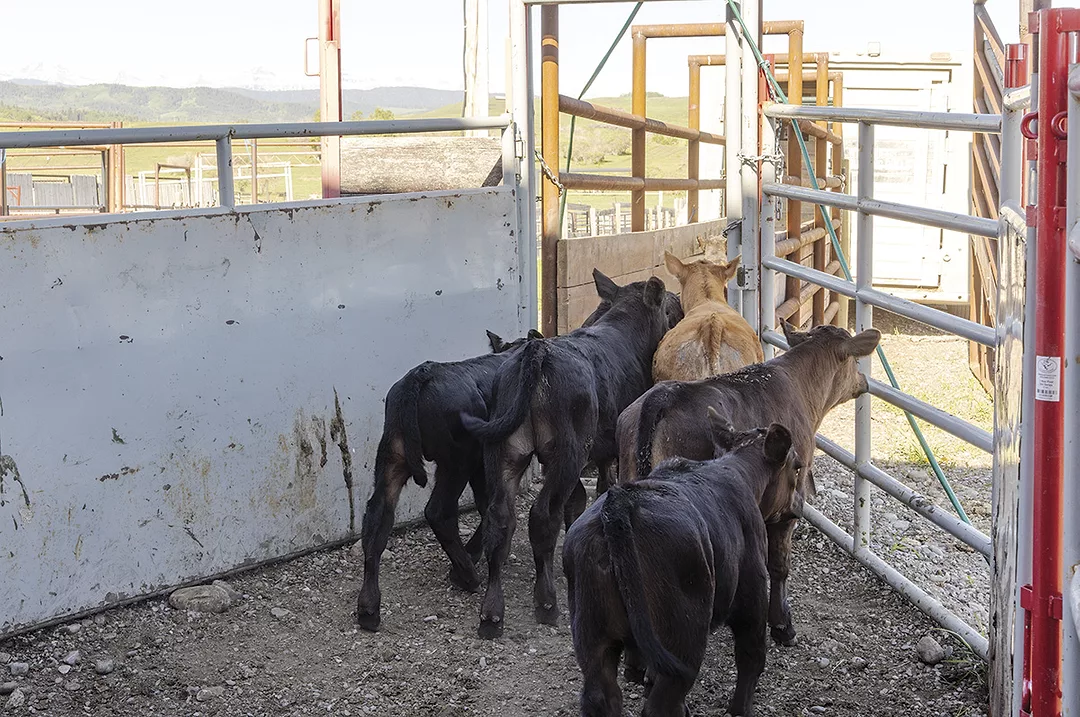
As autumn nears, ranchers and livestock owners across the country gear up to wean calves, take cattle or sheep to feedlots or move livestock to winter pastures. But before you hit the road, there’s a crucial step: understanding the maze of interstate livestock transportation laws.

If you are intending to cross state lines with your herd, it isn’t just a matter of loading up the trailer. Each state has its own rules, and federal regulations might tag along for the ride. Let’s break down a few things you need to know to keep your livestock – and your peace of mind – safe and compliant.
Why the rules?
Interstate regulations exist for three big reasons:
- Disease traceability: Tracking animals to stop outbreaks in their tracks.
- Livestock welfare: Ensuring humane treatment on the road.
- Theft prevention: Proving those animals are yours.
Whether you’re hauling cattle to a feedlot, goats to a show or horses to a rodeo, compliance is non-negotiable. Fines, delays or quarantines aren’t exactly the souvenirs you want. The two most common requirements for interstate transportation are Certificates of Veterinary Inspection and identification.
The CVI: Your ticket to ride
A Certificate of Veterinary Inspection (CVI) is your livestock’s passport. Most states require a CVI for livestock crossing state lines. Issued by an accredited veterinarian, it certifies your animals are healthy and ready to travel over state lines without concern.
CVIs are often required for interstate travel, shows or sales to prevent the spread of diseases or parasites. Think of it as a health report card for your herd. However, if you’re headed straight to a slaughter facility, you may be able to skip the CVI, though ID rules often still apply.
It is important to plan ahead, as CVIs are typically valid for 30 days. Schedule a vet visit close to departure to keep it current. Your local veterinarian is your go-to for this critical document.
Health check: Beyond the basics
Some animals need extra paperwork. Horses may be required to possess a negative Coggins test to check for equine infectious anemia. These are valid for six to 12 months. If you are hauling dairy cattle, you might need tuberculosis or brucellosis tests, depending on state regulations. With recent transmission of highly pathogenic avian influenza (HPAI) in dairy cattle, all lactating dairy cattle must test negative for HPAI before crossing state lines.
For large herds, the livestock owner may need to obtain a special permit for the herd by testing part of the herd before transportation. However, typically for smaller herds, each animal must be tested. Stay alert, as the rules may shift with ongoing health concerns.
Tagging along: Identification
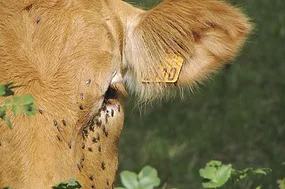
To prove ownership and track livestock from one owner to the next, most states require livestock like cattle, goats, sheep or swine to have some sort of ID – such as eartags, RFID tags, brands or tattoos. This also allows state animal health officials to track livestock in the event of disease outbreaks. Brand inspections may also be required before shipping recently sold livestock.
Hitting the road
If you are using a commercial hauler, generally they are responsible for tracking federal requirements, as they are the ones operating within the regulated commercial motor vehicle industry. However, ranchers can also be subject to certain federal requirements, unless the rancher is operating a covered farm vehicle (CFV). For extended trips, federal hauling rules – like the 28-Hour Law – require commercial haulers to give livestock a break for feed, water and rest every 28 hours. Short trips under 150 miles may dodge some requirements, but don’t assume. Always check all applicable states’ rules.
If you are driving a big rig, you might need a commercial driver’s license (CDL) based on your vehicle’s weight; however, CFVs are exempt from CDL requirements. Check the Department of Transportation rules to be sure.
Your road map to compliance
Don’t go it alone. These resources can guide you:
- Interstate livestock website: Run by the Interstate Livestock webpage hosted by the NIAA and USAHA, to generate tailored reports based on your species, origin and destination. Note: It’s not legal advice, so double-check with authorities.
- State animal health offices: Contact the destination state’s Agriculture Department for the latest rules and requirements.
- Your veterinarian: A local vet can issue CVIs and offer expert advice.
Prepare for happy trails
From CVIs to eartags to hauling rules, moving livestock across state lines can feel like a moving obstacle course. However, proper preparation is your best friend. Tapping into resources like the Interstate Livestock website and your state’s animal health office will help you stay compliant and enjoy a smooth journey to your cattle’s next destination. With a little planning, you’ll keep your herd healthy, your record clean and the road open ahead.