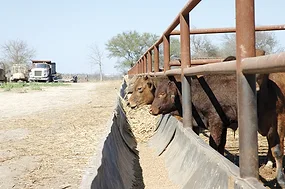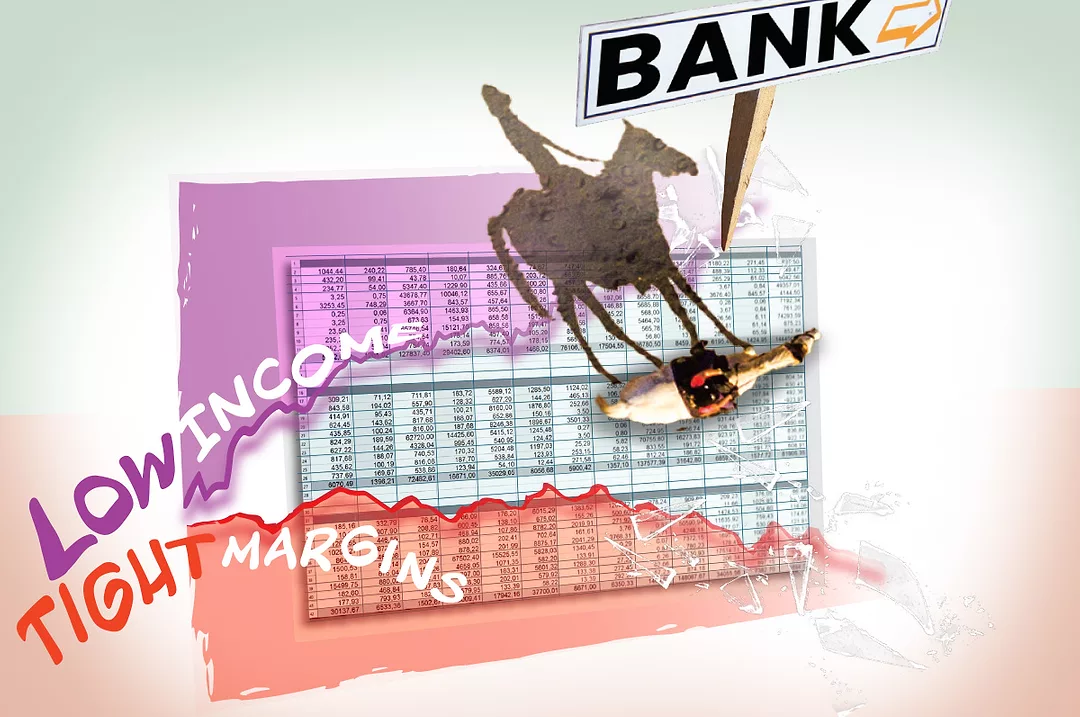
This is an exciting time to be in the livestock industry – especially for cow-calf producers. Calf prices have never been this high, and many are getting a welcome reprieve from tight margins and low incomes. There are some indications that heifer retention is beginning, but it will likely be another year or two before the rebuilding of the U.S. cow herd begins in earnest. That translates to sustained higher prices, barring any black swan events impacting the markets. Demand for beef has stayed surprisingly high despite analysts continually predicting consumers will soon be tired of increased grocery bills. I imagine there will be many well-deserved new pickups, tractors, stock trailers and more this fall. While there are a lot of exciting topics to discuss, it might be beneficial to return to some basic principles of business.

Accounting is not my favorite thing. I am not an accountant, and my thoughts are not meant as accounting or financial advice. It took me far too long to realize that accounting is the language of business and that to master business requires a strong working knowledge of accounting principles. In the current livestock climate, it is more important than ever to ensure that your ranch has a sound accounting system. In personal finances, it is common to splurge on items that may be unnecessary when money is more abundant than normal. Think wants versus needs. In business, it is important to take a more measured approach to the use of increased revenues. Looking at well-organized financial records can shed light on areas where strategic investment would be beneficial. Examples might be genetic improvements to the cow herd or replacement of facilities that are dangerous or otherwise less efficient. Other strategic moves might emphasize expansion or reduction of debt. It is important to evaluate these decisions objectively through the accounting lens.
Two ways to look at business finances are tax accounting and managerial accounting. Tax accounting focuses on IRS requirements for business taxation and profit/loss statements. Decisions are often based on lowering the tax bill or influencing financial statements in some way. Managerial accounting is the practice of allocating expenses in a manner that attributes appropriate amounts to each category of the enterprise and supports managerial decision-making. This allows producers to know more accurately what a replacement heifer costs to raise, or how much money is being spent on those cute foals born each year. Managerial accounting, in my opinion, is a more objective and informative way to look at expenses.
One of the benefits of owning an agricultural entity is the ability to expense things to the business that would be personal expenses for someone working in an office and only using their pickup for weekend warrior adventures. Often, agricultural producers are far too concerned with lowering their tax bill by making significant purchases at the end of the year. There are times when this is beneficial; however, taking a managerial approach to accounting provides a broader perspective on where that capital would be more productive or beneficial. Managerial accounting also looks at the true cost of production and not numbers forced into a series of categories on a Schedule F. While I don’t support paying unnecessary taxes, paying taxes is a sign of profitability. Maybe we should consider a higher tax bill a badge of honor! I have heard it said that the conversation at the local coffee shop should shift from what price a rancher received for their calves (gross revenue) to how much profit they made on each calf (net revenue).
Depreciation is an area where tax accounting and managerial accounting might differ. While the IRS code may state that an asset can be depreciated over seven years, the true useful life of that asset may be nine or more years. With increased revenues in the livestock industry right now, it can be tempting to make large purchases. A key component to financial decision-making is the long-term effects of depreciation on financial statements. When looking at the historic cattle cycle, the retention of females in the rebuilding phase has an inverse relationship with cattle prices. As more and more heifers are retained and numbers grow, calf prices naturally begin to come down.
Assume a bred heifer costs $3,000. Depreciated over five years, and assigned a zero-dollar salvage value, is an annual expense of $600 on the income statement. That heifer, at least over the next year or two, will have a calf that will be worth around $1,500. That makes $600 of depreciation easy to stomach. Now look at it further out. Four years from now, the cattle market will be in a downward trend. Assume that original heifer now has a calf worth $1,000. That lowers net income by $500 for every replacement bought that is still on the depreciation schedule. It is also worth noting that females often lose a calf or two along the way. Similar is true with the truck, trailer or tractor that was purchased, only those are not even generating revenue.
Don’t misunderstand; enjoy the profits coming in right now. Buy that truck, if you need it. Buy that tractor, trailer or other equipment, if you need them. But don’t let those profits cloud sound financial decision-making. Keep the basics of sound business finance in mind. Above all else, rebuild not only the cow herd but the ranching industry in a thoughtful manner that is sustainable for the land and animals but also for ranch businesses over time.