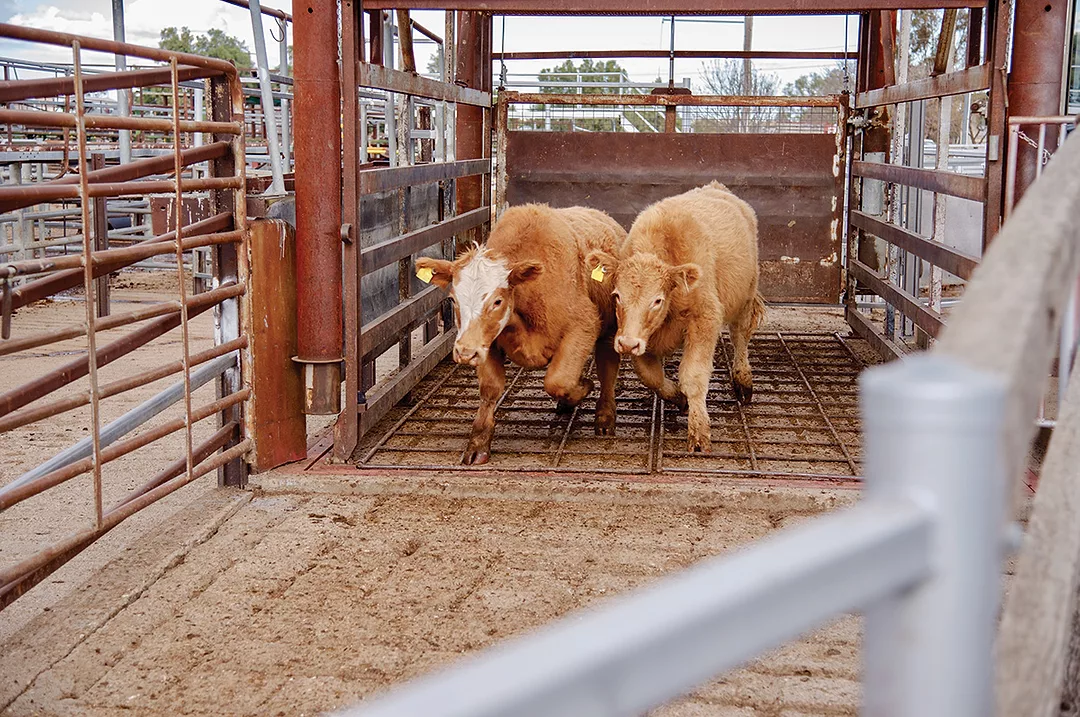
In the cattle industry, you are either selling cattle by the pound or you are selling cattle or genetics to other ranchers who are selling cattle by the pound. Weights are critical in every stage of the cattle cycle – from a calf’s birth, weaning, yearling and sale weight to mature/gain weights of cows and bulls for monitoring body condition score (BCS). Consumers purchase packages of beef based on package weight. Restaurants have specific target weights for steaks to ensure the consistency and flavor their guests expect.

Weighing your cattle starts at your ranch. Individual weighing scales continue to be popular solutions for cattle ranchers across the country. Some have scales at their locations, while others may drive to a neighboring ranch or central location to weigh cattle. Portable scales have grown significantly in popularity due to their ease of setup and ability to be easily transported to other locations. Permanent scale setups are mounted under squeeze chutes to ensure stability and provide an easier way to collect weights while performing other procedures, such as treatments.
Many producers are choosing to weigh their cattle on the ranch before shipping to a sale facility, such as a local sale barn. This enables the producer to know what the animals weigh and can then determine the shrink, which is the weight loss during transportation and handling. Many sale facilities will factor a percent shrink from the weight at check-in to the animal’s weight at the actual time of sale. Weighing cattle before they leave the ranch provides you with a reference weight and serves as a way to double-check the sale weight you expect for each animal versus the sale weight on which you are paid. The percentage of shrinkage varies by sale facility and is influenced by factors such as shipping distance, length of time between animal check-in and the sale date, and more. This is an important metric in determining the best sale solution for your herd and starts with weights.
Speaking of sale weights, many special sales, such as weaned calf sales, have minimum and/or maximum weights for cattle to be consigned. Tracking weight gains helps you prepare and have cattle ready to sell at the optimum date and weight. In addition, many future contracts are agreed upon many months in advance of calves being ready to sell. In many cases, the contract is for a guaranteed number of head and pounds at a certain date. Weighing calves frequently is a good way to monitor the weight progress and determine changes that may need to be made to stay within the parameters of the contract or the special sale requirements. Tracking and monitoring weights helps determine the average daily gain (ADG) of calves. This is another way to ensure calves are on track to be at a certain weight on a certain date.
Expected progeny differences (EPDs) generated by registered cattle breed associations include weights in the calculations. Though EPD traits vary greatly by breed, common ones such as Birth Weight, Weaning Weight and Yearling Weight EPDs are influenced heavily by reported weights of calves (progeny). Many buyers of registered cattle, whether the cattle are going to another seedstock herd to improve genetics or to a commercial cattle herd to produce calves for the beef market, depend on the weights and EPDs to make purchasing decisions.
Weighing cattle and tracking their weights can have a direct impact on the decisions you make for your herd. There are several calculations based on weights and gains. A common one is the Most Probable Producing Ability (MPPA). This is an individual score for each cow as a way to compare her calves’ average weight ratio to other cows in the herd. The MPPA value is a way to help identify lower-producing cows. Another calculation is the percent Dam Weight value. This is determined by dividing the calf’s weaning weight by the cow’s weight. For example, a cow that weighs 1,000 pounds and weaned a calf that weighed 500 pounds would have a 50% Dam Weight value. The average percent Dam Weight varies greatly based on regional and weather conditions, the breed and frame of the cattle, and more.
For many years, producers have guessed an animal’s weight solely on its appearance. Consumers have become more interested in the source and welfare of cattle. Treatment dosages have remained an important topic in the industry for decades, and even more so with the expectation of basing dosages on actual weights rather than estimated or visual weight appraisals. Everyone has different reference points for estimating weights visually, whereas an actual weight is just that – a true, actual weight on which decisions can be made. Using actual weights is good for the animal and also good for you since you are only giving the needed dosage – no more, no less.
Weights are the key to production in the cattle industry – from calves born on the ranch to beef products for consumers. Though a weight may be considered “just a number,” it provides insights and influences decisions that go well beyond signifying what the animal weighs today. From comparing shrink rates among various sale facilities to monitoring weights for targeted sale dates and contracts to ensuring accurate treatment dosages, there is a lot packed into weights.