Investing in a rotary parlor is a big commitment – financially and logistically. With a plan that prioritizes people and cows, you can help ensure the rotary keeps turning for years to come with a well-executed startup.

Planning, installing and starting a new rotary parlor typically takes at least one year, with many farms extending the planning period for multiple years before breaking ground. Green sites may require more time, as they often lack existing infrastructure, such as water and electricity.
A facility of this magnitude requires a whole team of people working together with excellent communication and the ability to plan, yet pivot when necessary. Here are a few things to evaluate as you set your rotary parlor up for success.
Upfront considerations
Once you’ve committed to a rotary parlor, be sure to communicate your milking and management expectations to everyone involved in the installation – before building begins. For example, if you plan to administer herd management shots on the rotary, be sure to mention it so the vet deck can be included in the plans and your software is set up to support it. Or if you plan to add automation components, be sure your team is aware so any construction or sizing considerations can be taken into account. It is always better to know more in advance than to have to fix issues later.
Cow planning plays a role, too. Adding cows may require new barns, which can shift the timeline. Take time early on to think through what’s needed – the planning phase is never too long and new details always emerge.
Much of the early prep work involves site preparation, including dirt work and contractor coordination. Like most large construction projects, weather and labor availability can throw off even the best-laid plans, making the first milking date a moving target.
Concrete is critical because it must withstand the daily strain of milking and the test of time. Construction has rigid constraints to ensure the concrete meets specifications for the walls and footings which support the rotary wheels. Once poured, it takes at least 28 days to cure before hardware, wiring and equipment installation can begin.
Smooth startup steps
A smooth startup occurs after all construction is complete, the holding areas are clean, loose building materials have been removed and nothing remains to be installed. You’re ready to begin the commissioning process, typically about two to three weeks before the first cows step foot onto the platform. During commissioning, the rotary will be tested to ensure it is spinning correctly and the milking equipment and washing system are functioning properly.
The people who are milking the cows can’t be overlooked in the onboarding and setup process. Ensure the milking operators are well trained and confident, as the equipment and parlor type are likely new to them. It will be a new way of doing things – from cow handling to cow preparation and milking procedures. Take time to educate and prepare your entire team before loading cows.
Train cow pushers to move cows through the new system with a focus on low-stress handling as a priority. Consider using natural calming pheromones, applied topically to cows, to promote calm behavior during the transition. A calm, steady team makes a big difference during those first, second and third rides around. If you take the extra time to go slower at the start, you’ll be able to pick up speed more quickly.
For third-party software that isn’t directly associated with the parlor, such as activity monitoring or herd management systems, make sure each company representative understands their responsibilities. That way, everyone is aware of what’s required and how to support you during the transition. Keep a contact sheet handy so that if something isn’t working, you can quickly reach the right person to troubleshoot.
Everyone wants to hit a set milking date on the calendar. However, if there are project delays, it is best to proceed slowly and get it right. More importantly, it is what is best for the cows – you’ll be putting them into a system that is truly ready for them.
A look at the first week
The day of the week you start milking will set your parlor up for success. Starting on a Tuesday morning is ideal. No one wants to start during a weekend, and stuff always hits the fan on a Monday. A Tuesday start gives you a good three days before many key team members may head home for the weekend.
The first step, when everyone is together, is a meeting with the dairy team to ensure a smooth start. Before that first turn of the parlor to milk, take 30 minutes for a safety meeting to ensure everyone is on the same page and understands the vital safety mechanisms in place with a rotary system.
During the first milking, you can expect to complete about 1.5 rotary turns per hour. For an 80-stall rotary, you’d milk about 120 cows. Staging groups by half a pen instead of a full pen is a good idea, as the first few milkings take longer and cows won’t wait as long in the holding area.
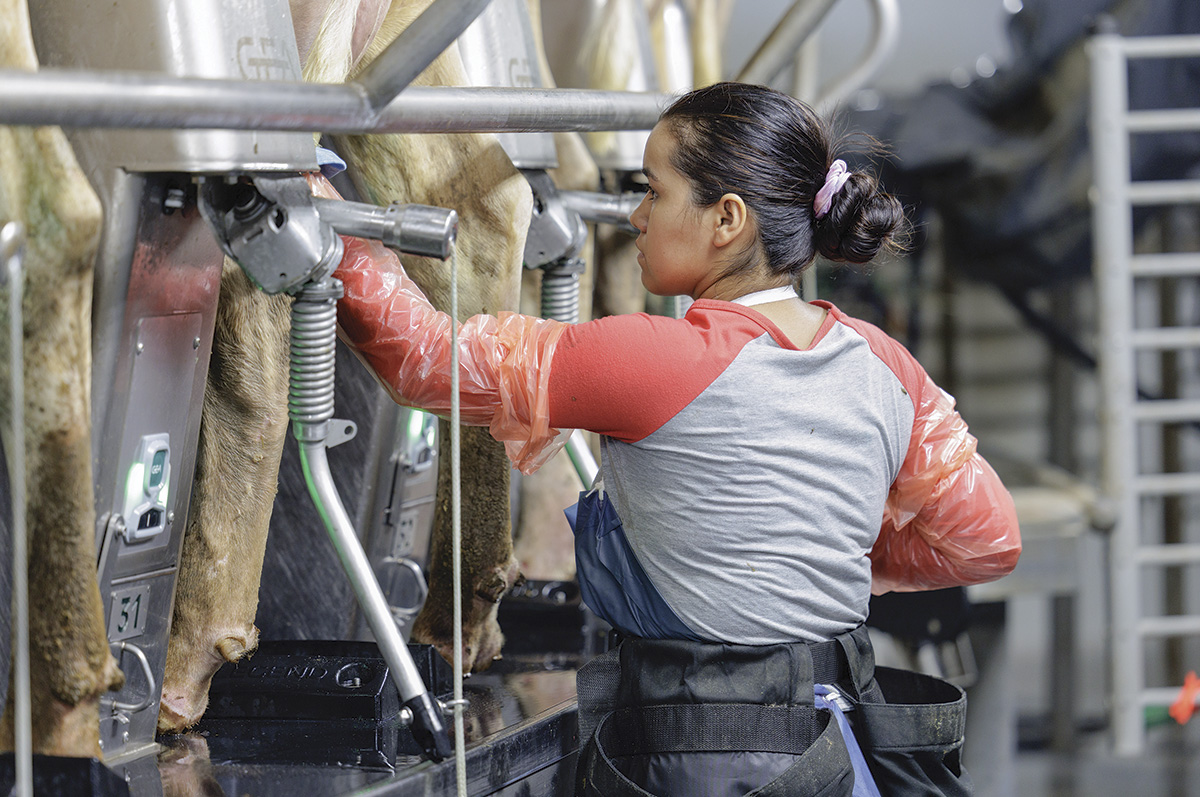
Take time to educate and prepare your entire team before loading cows. A calm, steady team makes a big difference during those first, second and third rides around. Image courtesy of GEA.
Two-year-olds are a great group to start with since they haven’t been accustomed to another system for long. Then you can transition to higher-producing cows and late-lactation groups. Expect to still milk a portion of your cows in the existing parlor during the first few days, as it will take longer to complete each turn.
Typically, by the third or fourth milking, most cows have adjusted to the new flow and rotary milking routine. They’re slotting into the entrance area. They’re lining up their heads on the correct side of the cow in front of them, which helps loading move a little quicker.
If you plan to use any partial automation, such as a prep brush or a post-dip sprayer, wait a week or two after startup to implement them. That gives cows time to get used to the new environment before introducing another change. Similarly, vet decks for procedures like administering shots or tail chalking shouldn’t be used on day one. Waiting until the cows are comfortable on the rotary goes a long way toward lowering their stress and keeping workers safe.
Measuring success
What a successful startup looks like can vary depending on your goals. Ultimately, a few of the things you want to see include:
- The less time cows spend in the holding area, the more time they spend in their pens.
- The deck is spinning at a proper speed without unnecessary stops.
- Everything necessary to clean and prep the barn stalls can be done while the cows are away being milked.
Some of these things can be measured, so you’ll have metrics to track and improve. The new software that comes with rotary parlors collects a lot of data. Work with your milking equipment dealer for training on how to use the software and interpret the data. Milking time and rotary turn time are two key performance indicators that will help you know how well your team is doing and if any adjustments are needed.
Starting a rotary parlor is a major undertaking. With thoughtful preparation, realistic timelines and a focus on people and cows, the transition can be smooth and successful.