Every cattleman understands that getting cows bred is among the most basic of necessities in any cow-calf operation. If cows don’t get bred, the revenue stream dries up and the business is no longer sustainable. However, profitability goes beyond just getting cows bred; it’s about getting cows bred on time, because we know the price of a missed heat cycle can be significant.

If a cow is bred one heat cycle (21 days) later, the calf will be 21 days younger at weaning. When we do the math and assume the calf gains about 2 pounds per day, that’s 42 pounds less on sale day. At a feeder calf price of $4 per pound, this represents $168 per calf in lost opportunity, depending on market fluctuations.
The cost is even higher if the cow never settles to breeding. In this scenario, there is no calf to market, and we may need to cull and replace the cow, which is an additional expense to what we have calculated.
For the farmers and ranchers who have run cattle on tall fescue for more than a season or two, you already know that what looks like a productive pasture can quietly chip away at your herd’s reproduction numbers. Endophyte-infected tall fescue is common throughout the central, southern and southeastern U.S. and has long been associated with poor weight gains, heat stress and lowered reproductive success.
The Virginia-Maryland College of Veterinary Medicine at Virginia Tech conducted the research trial we are going to discuss. The researchers studied the effects of feeding a yeast-based fermentation product on reproduction success in fescue grazing systems. The product is a Saccharomyces cerevisiae fermentation product (SCFP postbiotic), also known by its product name, NaturSafe. This feed additive is a postbiotic, which means it’s the bioactive compounds produced through a highly controlled microbial fermentation process.
While this research looks at the effects of supplementing an SCFP postbiotic to cows grazing fescue pastures, the benefits of the product have also been demonstrated worldwide in dairy and feedlot operations utilizing other forages. These research trials show that SCFP can help support colostrum quality, forage digestibility, milk production, weaning weight and body condition.
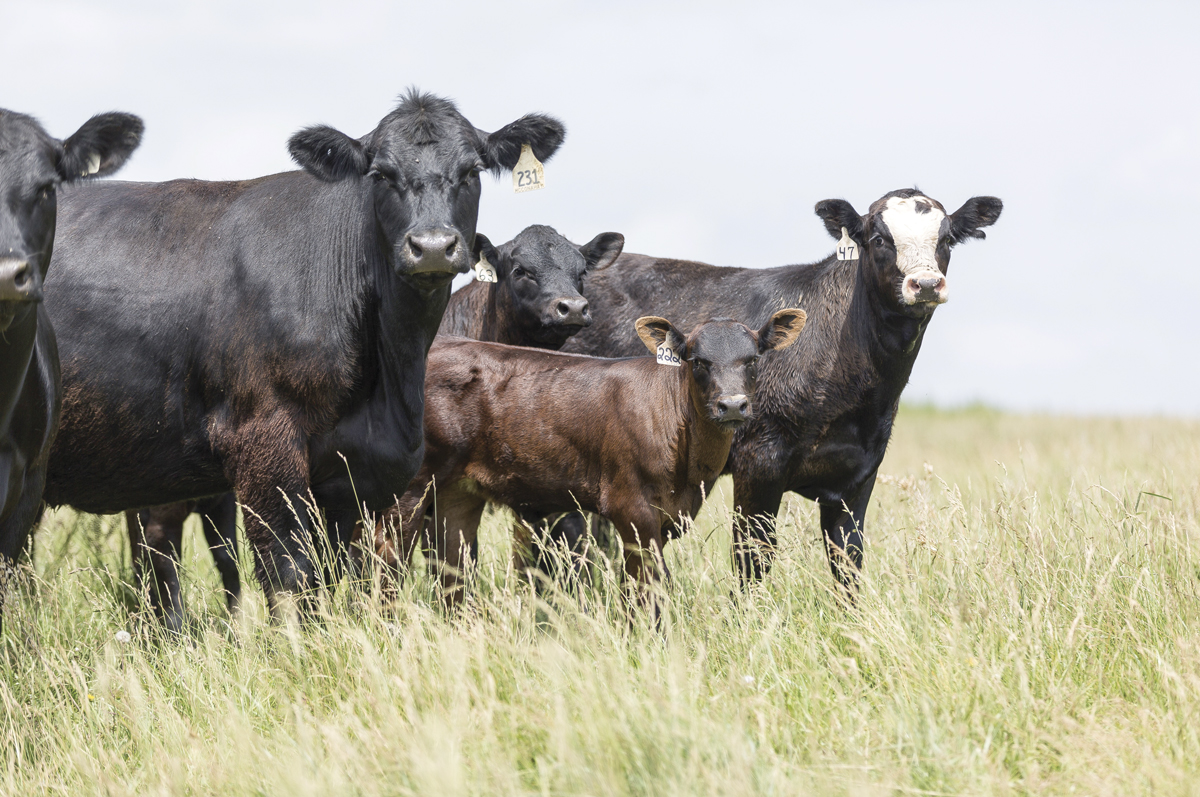
First-service conception rates mean higher weaning and selling weights for calves, leading to more profit. Image by Craig Belknap.
But what does fescue have to do with it? Well, its toxicity comes with drawbacks to breedback, herd health and overall farm profitability:
- Economic impact: Fescue toxicosis costs the U.S. beef industry over $1 billion annually.
- Effects on health and production: Cows grazing infected fescue can suffer reduced growth, lower milk production, heat stress, poor hair coat and what this trial studies: lower reproductive success.
- Seasonal challenge: Alkaloid levels tend to rise in late spring and summer, overlapping with breeding season.
Research methods and trial
The research trial included 883 Angus cows across eight cow-calf operations grazing tall fescue during the spring and summer breeding season. All cows were synchronized for artificial insemination (A.I.) and turned out with bulls afterward.
All cows in the trial grazed tall fescue pastures and had free-choice access to mineral and water for the entire period of the trial (from 21 days before breeding until the end of the breeding season). The control group’s mineral had no SCFP postbiotic, while the treatment group’s mineral had 9 grams per head per day. The SCFP postbiotic was mixed directly into the mineral according to the manufacturer’s recommendation.
The researchers introduced the cows to the additive three weeks before breeding and continued through the full five-month season. Beyond feeding the mineral, there were no ration changes and no grazing system changes.
Results showed more pregnancies
The results show us more cows settled sooner, leading to shorter calving intervals. It also showed more cows were bred across the entire breeding window. At the same time, mineral intake was not different between the groups. In short, this all means older (and bigger) calves next season and more of them. That’s more money in the pocket of the farmer or rancher.
The results to timed A.I. and final pregnancy rates show:
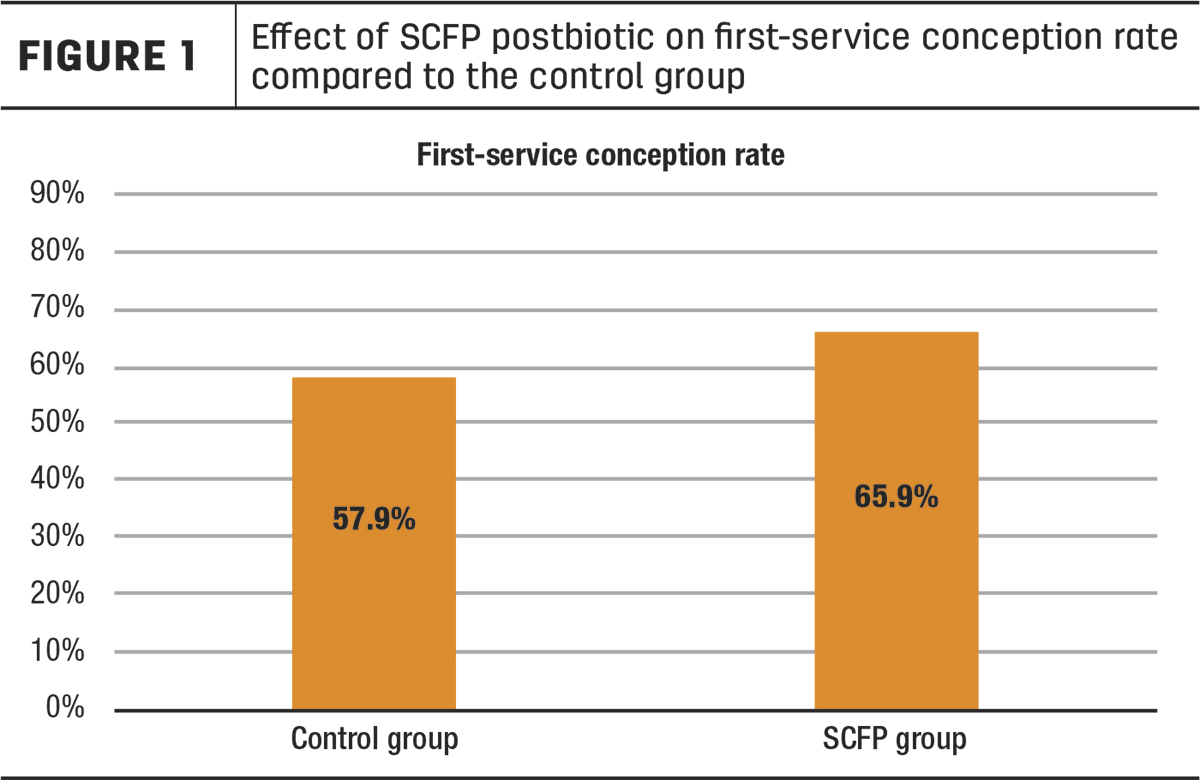
- First-service A.I. conception rates jumped by 8 percentage points in the research group (65.9% versus 57.9%, Figure 1)
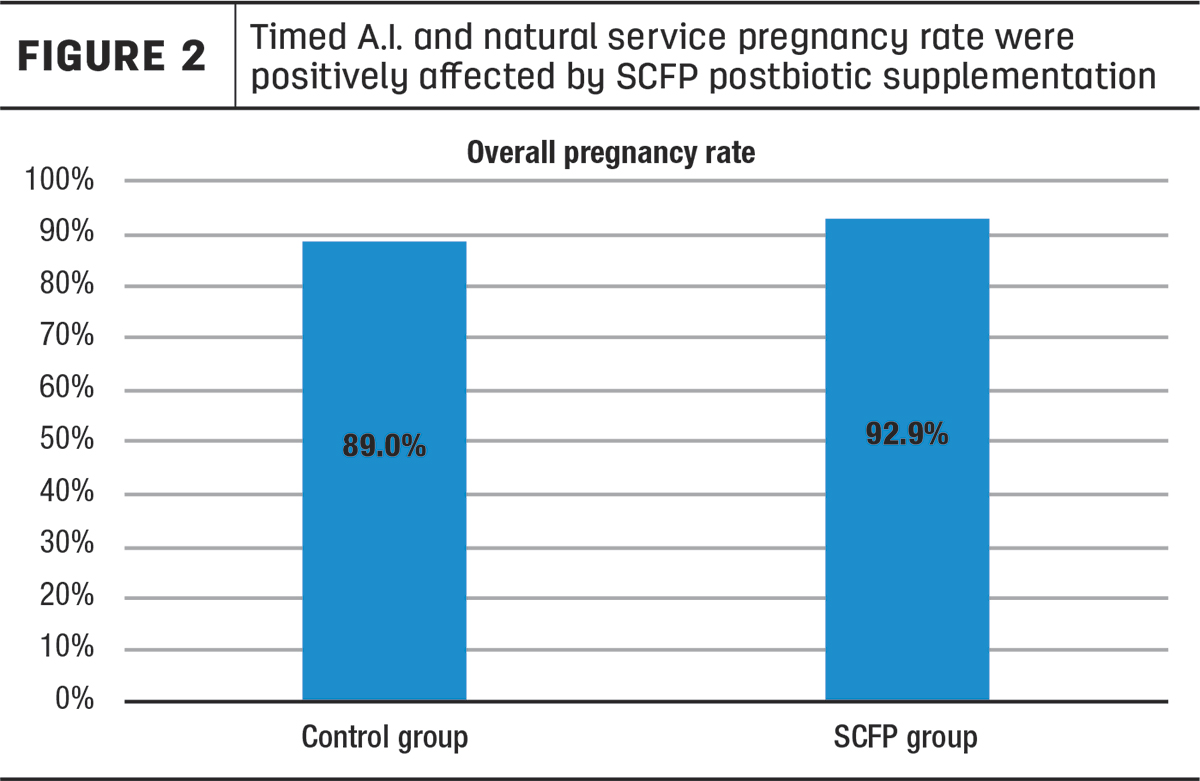
- Final pregnancy rates (A.I. plus natural service) trended higher, too (92.9% versus 89%, Figure 2)
- No notable change in mineral intake
The researchers also gave insight into how they believe the SCFP postbiotic is working inside the cow. They speculate that the supplement helps to manage inflammation within the reproductive tract post-calving, thus aiding in cows being “more ready” to get bred when they cycle.
Real-world applications for any grazing environment
What makes this study relevant to cow-calf operations is how easy the approach is to apply to your existing mineral program. The trial’s findings are relevant in a variety of systems because getting cows pregnant sooner is important regardless of the grazing environment.
Two additional university research trials found that supplementing SCFP postbiotic in a variety of grazing systems had significant effects on:
- Colostrum quality (when fed pre-calving): This supports calf immunity and health, which is valuable in any grazing environment, not just those dominated by fescue.
- Greater forage digestibility: A supported rumen means cattle can extract more energy from whatever forage is available – whether it’s fescue, other grasses or mixed pastures. This leads to better milk production and body condition, which are universal goals for producers in all grazing systems.
- Promoting rumen function: SFCP postbiotic benefits to the rumen are not specific to fescue and can help cattle adapt to a range of forages and environmental conditions.
These supplements can be especially valuable if you are an operation that uses A.I. or are considering it. A better A.I. conception rate means fewer open cows, fewer second breedings and better use of your semen investment. For herds that rely solely on bulls, we saw the result of improved conception timing and the opportunity for more calves hitting the ground earlier. Raising cattle on fescue pasture will always come with trade-offs, but improving fertility doesn’t have to require a major management shift. With a small tweak to your mineral supplement, you could see a meaningful boost in pregnancy rates and a stronger calving season to follow.
References omitted but are available upon request by sending an email to the editor.