Dried distillers grains with solubles (DDGS) are the co-products of bioethanol production, primarily from corn in the U.S. Traditionally, they have been viewed as animal feed, valued for their protein, fiber and energy content. However, their composition and processing suggest they can also be classified differently: as functional food postbiotics.

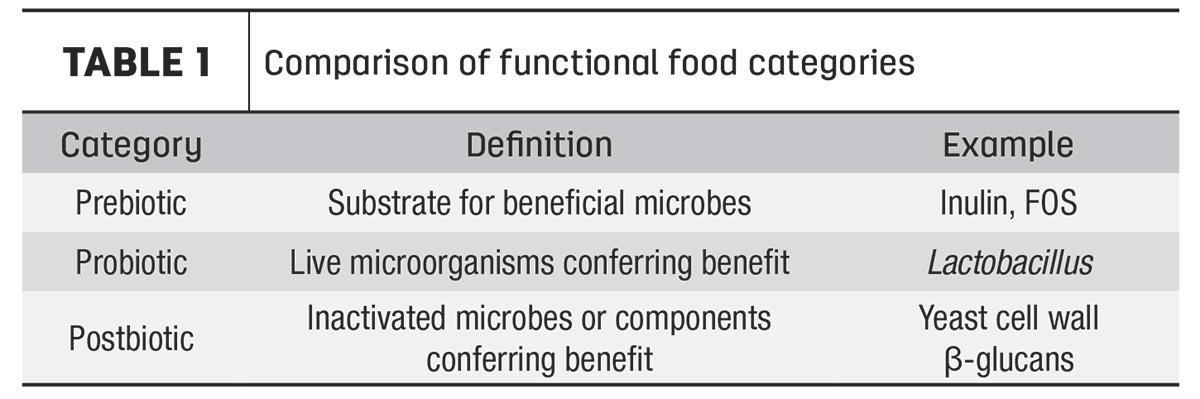
Functional foods are defined as foods that provide health benefits beyond their basic nutritional content, often through bioactive peptides, fibers, phytochemicals or microbial components (Table 1). Postbiotics, in turn, are preparations of non-viable microorganisms and their cellular components that still exert biological activity in the host.
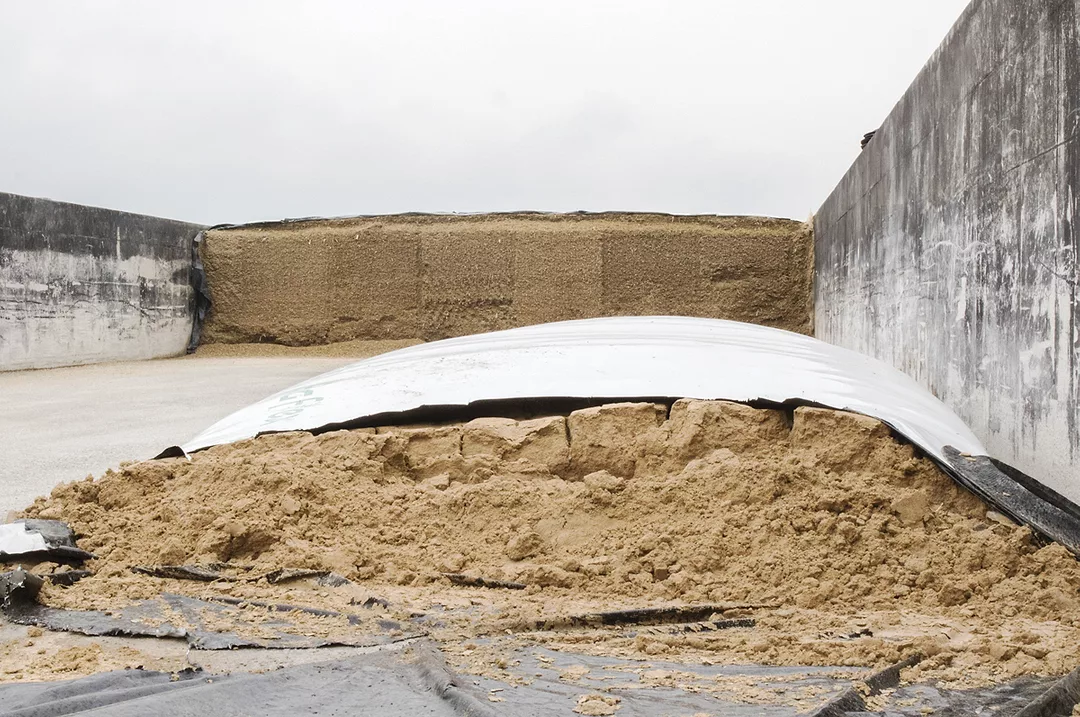
Because the fermentable carbohydrates in the grain are largely consumed during ethanol fermentation, the resulting co-product is rich in proteins, fiber, lipids, minerals and yeast biomass. During drying, the microbial population, mainly Saccharomyces cerevisiae, is inactivated, leaving behind cell wall fragments, mannans, beta-glucans and peptides that can influence immunity and gut health. Thus, DDGS are not only nutritional residues but also carriers of microbial products with potential bioactive properties.
Composition and processing of DDGS
The most striking feature of DDGS is their carbohydrate profile. During ethanol production, yeast consumes the starch fraction of the grain, converting glucose into ethanol and carbon dioxide. This process removes most fermentable carbohydrates. As a result, corn-based DDGS typically contain less than 8% starch on a dry matter (DM) basis, with total sugars often less than 2%. Total sugars are in the range of 1% to 2% DM, compared with more than 70% starch in the original grain. Instead of sugars, the carbohydrate fraction is dominated by non-starch polysaccharides, primarily cellulose, hemicellulose and arabinoxylans.
This shift in carbohydrate profile has several implications. First, DDGS are not a source of readily fermentable sugars in either animal or human diets. They cannot be considered prebiotics in the conventional sense because they do not selectively stimulate beneficial microbes through sugar supply. Second, they are a stable, fiber-rich product. Their slow fermentable fibers may support hindgut fermentation in monogastric species or rumen health in cattle, but they require microbial activity for digestion. For industrial purposes, any attempt to reconvert DDGS into fermentable substrates requires pretreatment such as enzymatic hydrolysis or alkaline fractionation.
In addition to fiber, DDGS are rich in protein (25% to 30% DM), fat (6% to 12% DM, depending on whether oil has been extracted) and minerals. They also contain residual yeast biomass from fermentation. After drying, typically at high temperatures, yeast cells are no longer viable. Yet their structural and biochemical components remain intact. Yeast cell walls contribute beta-glucans, mannans and mannoproteins, all of which have well-documented immunomodulatory properties in animals. Cytoplasmic components such as proteins, peptides and enzymes may retain partial activity or be transformed into new compounds through heat processing, including Maillard reaction products with antioxidant potential.
Thus, DDGS combine a unique nutrient profile, depleted in starch but enriched in fiber, protein and microbial residues, with processing conditions that convert living yeast into a reservoir of postbiotic compounds.
Postbiotic potential and functional effects
The defining reason to classify DDGS as postbiotics lies in their microbial residues. The International Scientific Association for Probiotics and Prebiotics (ISAPP) defines postbiotics as “preparations of inanimate microorganisms and/or their components that confer a health benefit on the host.” This definition fits DDGS closely. The yeast used for ethanol production, primarily S. cerevisiae, consumes starch, multiplies and then is inactivated during drying. What remains is a preparation rich in yeast-derived cell walls and other microbial components that can influence host physiology.
Immunomodulation
Beta-glucans and mannans from yeast cell walls are recognized for their ability to stimulate the innate immune system. They interact with receptors on macrophages, dendritic cells and neutrophils, enhancing immune readiness. In animal studies, these compounds reduce infection risk and improve vaccine responses. In humans, beta-glucans derived from yeast are already marketed as immune-supportive supplements. DDGS naturally contain these compounds because of fermentation and drying.
Gut health
Yeast cell wall fragments can also bind pathogens such as E. coli or salmonella, limiting their ability to adhere to the intestinal mucosa. Mannan oligosaccharides, for instance, mimic the receptors that pathogens use to attach to gut cells, effectively acting as decoys. This mechanism has been documented in livestock feeding trials where DDGS or yeast cell wall extracts improve gut barrier function and reduce diarrheal incidence.
Antioxidant effects
Heat processing during drying can degrade sensitive compounds, but it can also generate new bioactive molecules. Maillard reaction products formed during heating may contribute antioxidant capacity. Additionally, yeast proteins and peptides may act as free radical scavengers or metal chelators.
Nutritional efficiency
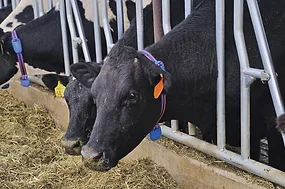
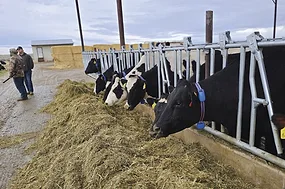
In ruminants, DDGS contribute rumen-undegradable protein and slowly fermentable fiber, supporting both microbial growth and host metabolism. Studies from South Dakota State University report that feeding distillers grains promotes rumen papillae growth, increasing absorptive surface area for volatile fatty acids. This morphological change improves feed efficiency, demonstrating how DDGS go beyond simple nutrient supply to exert functional effects (Figure 1).
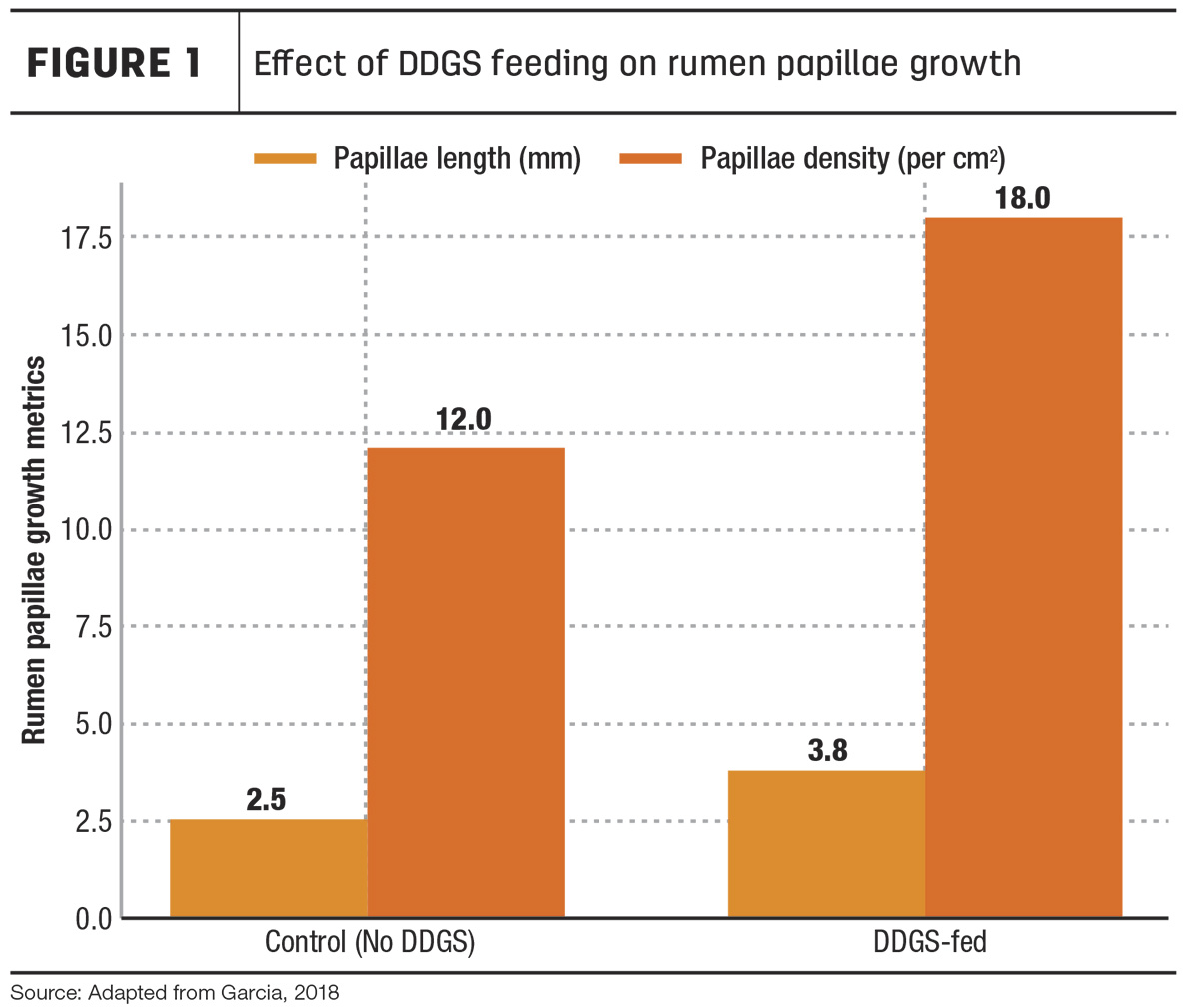
Together, these mechanisms show that DDGS embody many of the features of a functional postbiotic ingredient. They do not supply live microbes or fermentable sugars, but deliver microbial residues and bioactive compounds that influence health and metabolism.
Evidence, gaps and future directions
Evidence for the functional properties of DDGS is strongest in animal systems, particularly cattle, swine and poultry. Feeding DDGS has been shown to improve rumen health, increase papillae size, enhance efficiency of feed and sometimes reduce pathogen load. In poultry, inclusion of DDGS or yeast derivatives has been associated with improved immune responses and resilience to stress. These findings reinforce the classification of DDGS as more than simple byproducts.
However, translation to human nutrition remains limited. Few studies have examined DDGS directly as food ingredients for people despite their potential. Research gaps include:
- Quantification of bioactive compounds. While we know DDGS contain beta-glucans, mannans and peptides, precise concentrations and their variability across processing plants are not well established.
- Bioavailability and stability. Heat and drying can degrade some functional molecules. It remains unclear how much of the beta-glucans or peptides in DDGS survive digestion and become available to exert effects.
- Clinical evidence. To be classified as functional foods for humans, DDGS or their fractions need controlled clinical trials demonstrating measurable health benefits.
- Safety and regulation. Although DDGS are safe and widely used in animal feeds, their approval as human food ingredients would require strict evaluation, particularly for contaminants such as mycotoxins or residues of processing chemicals.
Despite these gaps, the potential is significant. DDGS are produced in millions of tons annually, representing an abundant, inexpensive and underutilized resource. Instead of being restricted to feed markets, they could be valued as sources of functional ingredients for human nutrition. Isolating yeast cell wall fractions, peptides or antioxidant compounds from DDGS could yield supplements or functional food additives with established demand.
Future research should focus on refining DDGS processing to optimize retention of bioactive components, quantifying functional compounds and evaluating their effects in animal and human studies. Advances in biotechnology may also enable selective extraction of yeast-derived molecules from DDGS for targeted applications.
Conclusion
Dried distillers grains are not just industrial residues. Their unique composition, low in starch but rich in fiber, protein and yeast-derived bioactive, positions them as promising candidates for functional postbiotic foods. Animal studies already demonstrate effects on rumen health, immunity and feed efficiency, while yeast beta-glucans and mannans have well-documented bioactivities in other contexts. What remains is to extend this evidence base into human nutrition.
If properly studied and standardized, DDGS could transition from being viewed as low-value feed ingredients to recognized functional foods. Their abundance, low cost and natural richness in microbial residues make them a compelling candidate for reclassification. Instead of discarding their potential, the food and feed industries should see DDGS as an opportunity: a sustainable, multifunctional co-product that embodies the principles of postbiotics.
References omitted but are available upon request by sending an email to the editor.