Cattle prices are at historic highs, making every pound gained and every healthy calf even more valuable. In the rush to produce bigger, better cattle to meet market demands, it’s tempting to focus on the end goal – performance in the feedlot. But the truth is, success in the feedlot often begins long before calves ever see a feedbunk.

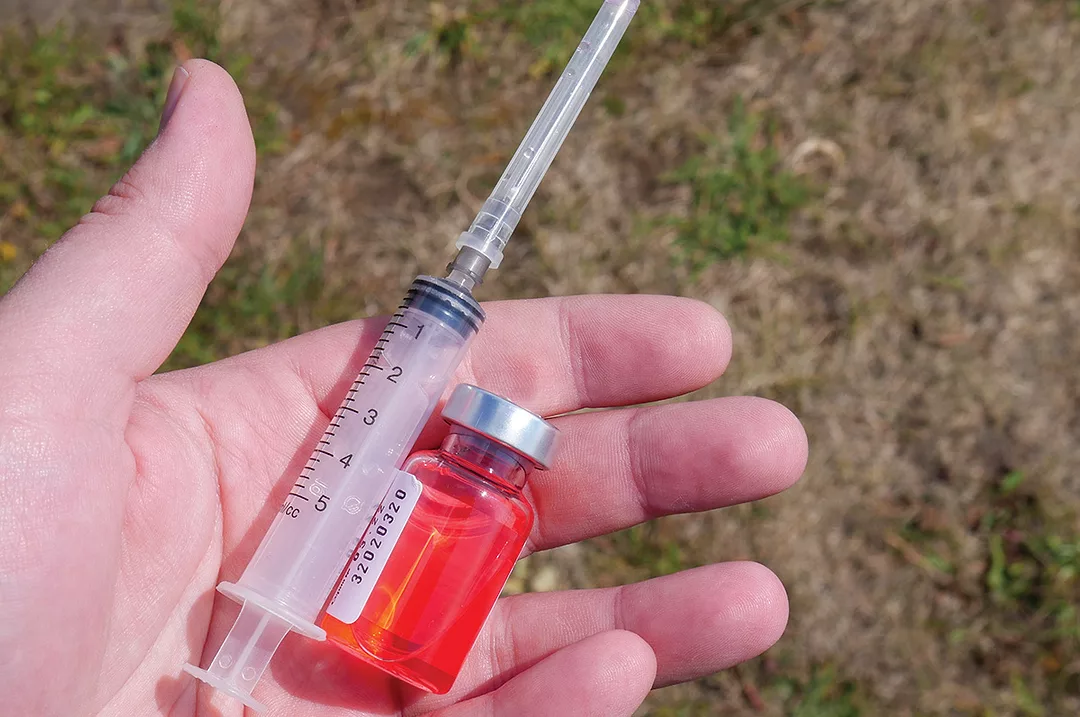
One of the most powerful tools in a producer’s toolbox is a well-designed vaccination protocol that starts within the first month of life – building the foundation a calf’s immune system needs to thrive. When done correctly, early-life vaccination helps calves handle the stressors of branding, weaning, transport and feedlot entry with resilience. While we can’t control every challenge they’ll face in a feedlot, we can control how well prepared they are when they get there.
The first 60 days are arguably some of the most important in a calf’s life. During this time, their immune system is learning to recognize and respond to pathogens and building defenses that will serve them for the rest of their lives. Vaccinating in this early window “primes” the body before major stress events that suppress the immune system. Calves with a naive immune system are more likely to fall sick during and after stressful transitions, and illness in young cattle isn’t just a short-term setback. At the feedlot, sickness can permanently reduce average daily gain (ADG), increase treatment costs and lower carcass quality. Calves vaccinated before branding generally respond better to boosters later in life as their immune systems are “trained” to recognize threats. Without that early foundation, even a strong preconditioning program may not reach its full potential.
The best time to vaccinate is during low-stress periods when calves are still with their dams. Stress hormones can dampen immune response, so calmer calves are more likely to develop strong, lasting immunity after vaccination. Many producers find success integrating early vaccinations into other light-handling events during the first two months of life, such as tagging, castration or health checks. When you can, keeping the process smooth, quiet and efficient is just as important as the vaccine itself. Low stress-handling techniques can help calves recover quickly and help the immune system respond to the vaccine instead of the stress.
At birth, a calf’s immune system is immature and naive. Its first line of defense comes from the cow's colostrum produced in the first few hours after calving. Colostrum provides immediate protection, but those maternal antibodies begin to decline within weeks. The challenge? Maternal antibodies can interfere with how well certain vaccines work. This is why timing is important. Vaccinating too early may result in a weaker immune response if maternal antibodies are still high, but waiting too long can leave calves vulnerable.
Veterinarians often recommend a two-step approach: Step one is a priming vaccination, given in the first one to two months of life to introduce the immune system to key pathogens. Step two is a booster vaccination, given at branding or weaning to reinforce that immune memory when maternal antibodies have waned. This approach ensures that calves have immunity already in place when they face high-stress, high-exposure situations such as transport or feedlot entry.
Every operation is different, and there’s no one-size-fits-all vaccination schedule. Disease threats vary by region, season and management style, and the health history of the cow herd can influence what’s needed. Your veterinarian is your best partner in designing a protocol that works for your herd. Factors to consider include geography and climate, herd history, calving season and cow herd vaccination. Nutrition also plays a big role here. Well-fed cows produce better quality colostrum, and calves with proper nutrition have stronger immune responses to vaccines. A vaccination protocol is only as effective as the overall health and nutrition program supporting it. As your herd grows and circumstances change, this protocol will also need to adapt. Make sure to work closely with your herd veterinarian so they can help make the best adjustments for your herd as needed.
Some producers wait to give calves their first shots at branding when they are several months old. While branding is a convenient time to process calves, this approach may leave a gap in protection during critical months. Booster shots at branding can strengthen long-term immunity, but only if the calf’s immune system has been previously primed. Calves that don’t receive an initial vaccination before branding often don’t respond as strongly to those branding-time shots. In short, boosters can’t boost what’s not there. Studies have shown that calves vaccinated within the first one to two months of life and boosted later have lower feedlot treatment rates, higher average daily gains and reduced death loss compared to calves vaccinated only at branding.
When discussing vaccination, many producers ask whether to use a modified-live vaccine or a killed vaccine. Both have benefits and considerations:
- Modified-live vaccines contain a weakened but live form of the virus or bacteria. These tend to produce a stronger, longer-lasting immune response and may require fewer doses. However, they must be handled carefully and used promptly after mixing. Timing is also critical to avoid safety risks.
- Killed vaccines contain inactivated pathogens. These are more stable, safer for pregnant animals and easier to store. However, they usually require more doses and may not stimulate immunity as strongly as modified-live vaccines.
The choice depends on calf age, cow vaccination history, handling facilities and management preferences. Always consult your veterinarian before making the decision.
Even the best protocol can fail if not implemented correctly. There are many common mistakes to watch out for, such as inconsistent administration and over-reliance on vaccines. Skipping boosters, vaccinating at the wrong intervals or missing calves can undermine herd immunity. Vaccines are also a part of a larger system, making nutrition and daily observation equally important. Poor handling practices can also increase stress and lower immune response, while improper vaccine handling and temperature control can make the vaccines virtually useless. A sound vaccination program works best when paired with a strong nutritional plan, clean facilities and careful herd monitoring.
Early-life vaccination is an investment with long-term payoffs. By vaccinating calves within the first month or two of life, you’re building their immune foundation, preparing them to handle stress and setting them up for success in the feedlot. It’s a simple equation: Healthier calves mean better performance, fewer treatments and stronger profits. The key is to work with your veterinarian to create a protocol tailored to your herd, deliver vaccines during low-stress times and pair that program with solid nutrition and management. In today’s high-value cattle market, you can’t control every challenge your calves will face down the road, but you can control how well prepared they are for the journey.