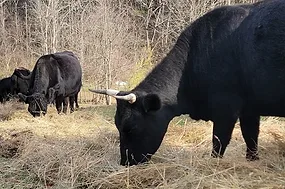
As feed costs continue to climb, it is important to identify and implement practical ways to reduce hay feeding days. One of the most effective strategies is stockpiling forage. This technique involves setting aside pastures in late summer and fall to provide high-quality grazing well into the winter months. With proper planning, stockpiled forage can extend the grazing season, save money and keep cows in good condition.
Stockpiling simply means closing off a pasture and allowing grass to accumulate growth during late summer and fall. Tall fescue is the most common forage used for this purpose in the Southeast because it maintains quality after frost. A recent study in Tennessee and Alabama evaluated the quality of stockpiled tall fescue across various farms. Forage quality results indicated that stockpiled tall fescue ranged from 15% to 17% crude protein and 68% to 70% total digestible nutrients (TDN) from October through February. Bermudagrass and other species can also be stockpiled, but they generally decline in feed value more quickly. With proper management, fescue can provide nutritious grazing into December or even January.
How the forage is grazed is just as important as how it is grown. Cattle harvest more forage from a given area when grazing is controlled. Stockpiled forage is particularly susceptible to waste because it is not actively growing and it provides a great place to bed down. Using the forward grazing technique, similar to strip grazing but with no back fence, forage is allocated in small sections using temporary electric fence, giving cattle fewer opportunities to waste the forage. A back fence is not necessary in this case because there is no regrowth to be protected. This technique is also useful when cattle need to get back to a fixed water source.
Stockpiled forage is particularly valuable for dry cows or those in midgestation, which can maintain body condition without heavy supplementation. Lactating cows or growing calves may require additional feed, depending on forage quality and weather conditions. Every day that cattle graze instead of eating hay represents cost savings. Studies show that the cost of stockpiled forage is much lower than the cost of harvested hay. Stockpiled forage is not completely immune to extreme environmental conditions. Heavy ice or snow may limit access to standing forage, requiring a backup plan. Although fescue can maintain high quality throughout winter, quality declines gradually as the season progresses, so producers should monitor cow condition and supplement when needed.
Stockpiled forage is a proven, low-cost tool to stretch feed supplies through the winter. By planning ahead and managing grazing carefully, cattlemen can save hay, lower costs and keep their herds in good condition until spring pastures return.