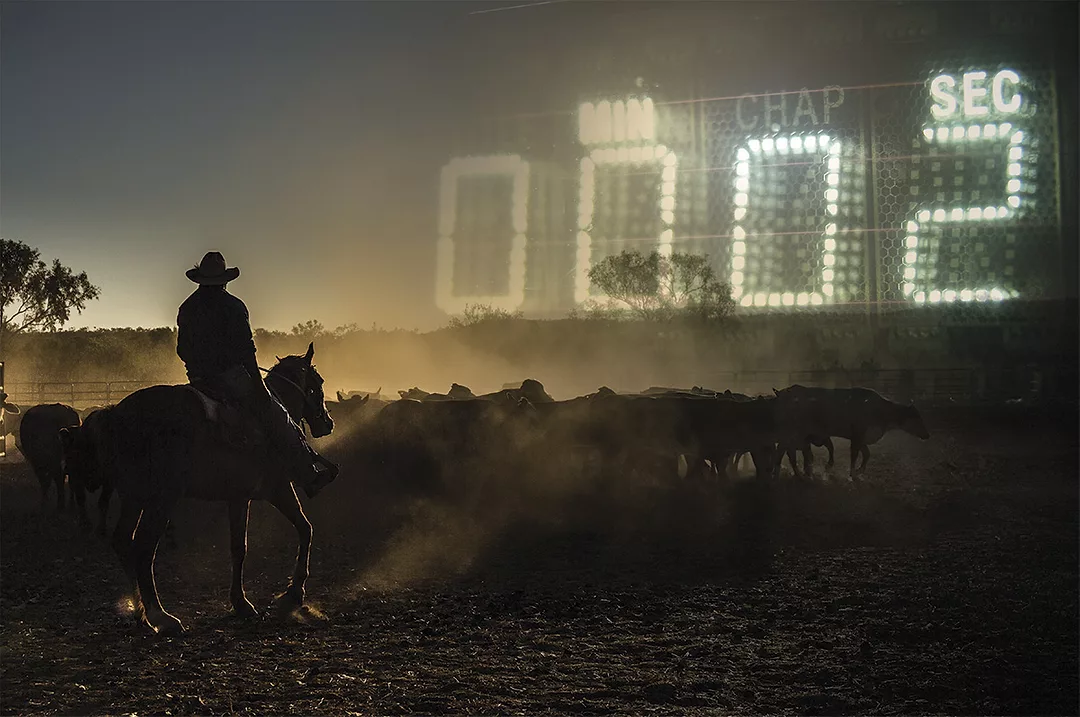
In sports, the fourth quarter carries a certain electricity. The clock is ticking down, nerves tighten and every decision suddenly matters a little more. But it’s also the stretch when seasoned veterans shine. Games are often won in those final minutes because experience, instinct and leadership take center stage.

I’ve come to appreciate that truth more than ever because I happen to be in a relationship with a devoted sports enthusiast. If there is a ball involved, chances are good we’ve watched it. ESPN commentary often fills the background of our weekends, and over time I’ve learned to see what he sees. Yes, raw talent is exciting. Speed and strength grab attention. But the moments that really matter – the ones that get replayed for years – almost always happen near the end, when the players with the most miles behind them step forward and change the outcome.
That’s when I realized something: Ranch succession planning has its own fourth quarter. And the fourth quarter may be the most exciting part of the game.
For many who have spent a lifetime ranching, there is a hidden fear that sits underneath transition planning: “Who am I if I’m not ranching?” Ranching isn’t just a career. It’s identity, heritage, bloodline and a sense of place. Generations have been shaped by the livestock, the land, the market cycles and the realities that come with building and maintaining a legacy operation. Letting go – or even loosening the reins – can feel like stepping off solid ground.
But the truth most transitioning ranchers aren’t told often enough is that the final stage of leading a ranch can be the most meaningful period they’ll ever experience. Not because the physical work continues, but because influence, perspective and wisdom become the primary tools. And those tools are the ones the next generation needs most.
I recently watched a game where the commentators focused on a seasoned player nearing the end of his career. Earlier in his playing years, the discussion had always centered on his physical dominance – his speed, power and highlight reel moments. But now the conversation had shifted. Instead of praising his physical abilities, they talked about his leadership, his command of the game and the way he could execute strategy when it mattered most. They pointed out how he could anticipate the opponent, adjust formations and make calls that the younger players hadn’t yet learned to see. His value was no longer measured in yards gained or records broken, but in his ability to lead and guide the team toward victory. Experience had become his strategic advantage.
The same is true for ranchers in the transition phase. Those who have lived through price collapses, droughts, disease threats, land pressures, shifting regulations, volatility in cattle markets and interest rates have earned a perspective that younger leaders have not yet had time to develop. Resilience doesn’t come from the textbook. It comes from years of boots in the dust, livestock to feed no matter the weather and tough choices made under pressure.
The fourth quarter in ranching isn’t the point when you fade. It’s when you shift into the role that matters most. The quarterback becomes the coach. The player becomes the strategist. The person who once handled cattle every day becomes the one who shapes direction, expectations, structure and culture that will define the ranch long after they are gone.
This is where the real legacy is forged.
Succession planning often gets confused as a legal transaction – a matter of paperwork, entity clarification, valuation and tax plans. Those are necessary mechanics, but they aren’t the heart of the transition. The fourth quarter is when leadership is deliberately passed, authority is clarified, next-generation decision-makers are trained and the future of the operation is intentionally designed. It is the time to establish governance, prepare successors not only to work but to run the business and make thoughtful shifts in power so that the transition is steady instead of sudden.
That isn’t losing relevance. It’s redefining it.
Many ranchers fear stepping back because they assume that doing so means being replaced. But stepping back isn’t erasing a role; it’s repositioning it. Leadership is still needed – just expressed differently. Instead of managing every detail, there is space to mentor, teach, encourage and guide from a higher vantage point. Instead of solving every problem personally, there is time to explain how to think about the problem. Instead of working in the operation, the opportunity appears to work on it: strengthening structure, policies, communication, ownership expectations and compensation models that will either protect or undermine the operation for decades.
When I sit beside my sports-loving partner and watch highlights, the athletes who are remembered long after their careers have ended are the ones who shaped the team that came after them. They’re the names who remain attached to leadership legacies. They’re the individuals who poured into the players around them and left the sport better than they entered it.
Ranch succession has the same echo.
The pages of a ranching career will eventually settle and the numbers – calves weaned, acres managed, miles of fence maintained – will fade. But the impact of the fourth quarter endures. Successors will remember who taught them to navigate hard years, who coached them through conflict, who modeled stewardship and who made space for them to lead instead of merely labor.
And there are new joys available in this stage that rarely exist earlier in life. There can be freedom to mentor without the grind of dawn-to-dusk demands. Time to pursue relationships, projects, boards, policy involvement or second-leg careers that were always postponed. Satisfaction in watching the next generation succeed. Pride in seeing the ranch expand through decisions you helped shape, even if you aren’t the one doctoring calves, fixing fence or balancing feed rations anymore.
The fourth quarter isn’t a period of decline. It’s the moment with the most leverage.
Sports history rarely remembers the warm-up drills in the first quarter. What people talk about years later is the winning drive – the call made by the veteran, the strategy built by the coach, the pivot that changed the outcome when the game counted most.
Ranchers in transition deserve to see themselves in that same light.
When the fourth quarter arrives – and it arrives for every single one of us – those who step into it with intention, humility and vision are the ones who write endings that strengthen not only an operation but a family. They do not simply pass down land and livestock. They pass down clarity, communication, expectations, leadership and wisdom.
And that may be the most valuable asset in the entire succession plan.
One day someone else will stand where you stand now, and they’ll wish they had heard what only you could say. If you keep your lessons, your regrets, your straight talk locked up – they’ll inherit the same challenges without the benefit of experience. Now is the time to leave it all on the field: Admit what cost you, share what you learned, demand clarity and integrity, and pass down the kind of leadership that carries a legacy forward.