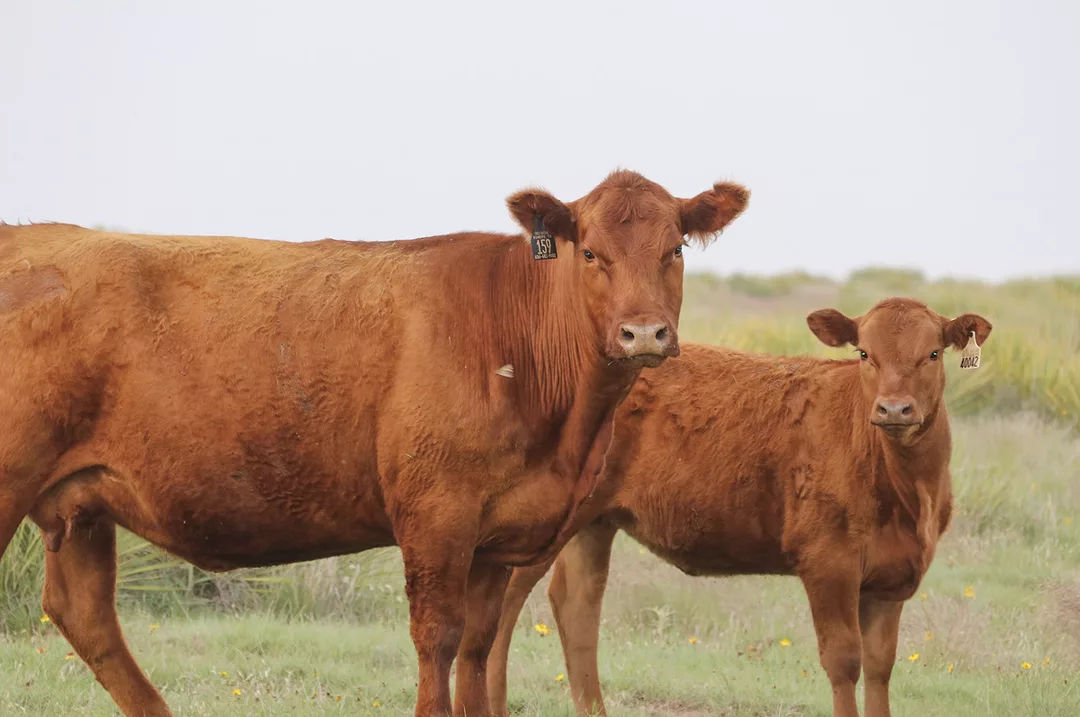
Ensuring optimal calving care for newborns is a top priority for producers. However, the responsibility doesn’t end as the calves leave the farmyard. Special attention must also be given to their nutrition and overall well-being as they transition to spring pastures and continue to grow during the summer months.

Mom’s nutrition directly impacts offspring
“The most critical factor impacting a calf’s nutrition is the cow’s late-gestation diet, as the calf’s liver mineral status depends on how she is fed,” says Beth Reynolds, program specialist at Iowa State University’s Iowa Beef Center. “Key minerals and micronutrients, such as zinc, sodium and vitamin A, are essential, as calves don’t receive enough from milk alone. Additionally, quality colostrum in the first 24 to 48 hours is vital for transferring immunoglobulins and building the calf’s immune system.”
Reynolds notes that although calves begin to pick at grass by 3 months old, they still rely on their mother’s milk for protein, energy and macronutrients. Many of their later health issues can be traced to late-gestation deficiencies or inadequate colostrum intake during the first week of life.
Regional differences provide varied answers
The diversity and balance of pasture grasses, whether native or cool-season species, vary widely, even within the same region. These differences, along with local soil profiles, affect the minerals available to cattle and determine supplementation needs.
“I can’t emphasize enough, when we look at regional diversities, work with someone familiar with the local environment,” Reynolds says, “whether it’s a nutritionist, extension specialist or someone else who understands what is needed in relation to the area’s forage base, because it can and will change throughout the year.”
Supplemental feeding helps reach production goals
As calves age and mature on pasture, their nutritional needs tend to intersect more with production goals. Depending on these goals, supplementation and creep feeding may help meet specific targets.
“Creep feeding isn’t simply offering pellets and grain mixes but could also include a pasture rotation where the calves access the next grass before the cows,” Reynolds explains. “They’ll still nurse about the same whether creep is available or not, but it will come into play, replacing some of the forage intake. Keep in mind, if the extra feed isn’t higher quality than the available forage, it won’t benefit the calf’s growth.”
Water trickles down to performance
Reynolds believes water is the most essential and often most overlooked nutrient. Its availability and quality directly impact feed intake and performance. Poor-tasting or hard-to-access water leads to reduced intake and growth. While milk provides some hydration, clean and accessible water is crucial, especially in hot weather. If performance issues arise, she suggests a first step should be testing water and forage to identify possible deficiencies or toxins.
Building a strong foundation
Building a strong health base begins in the same place as nutrition.
“The key aspect of establishing a good health foundation is high-quality colostrum from the dam, or supplementation with a colostrum replacer, to set up the calf’s immune system in the first weeks and months of life,” says Jake Galbreath, North Dakota State University Extension veterinarian and livestock stewardship specialist. “High-quality colostrum delivers highly protective antibodies to help prevent pneumonia and scours. If we can avoid early respiratory issues or scours, we’ll also limit problems months later.”
As calves age and grow, it’s important to address respiratory diseases and pneumonia. Ensure they receive appropriate vaccinations, like a 5-way viral and 7- or 8-way clostridial, tailored to local risks.
Match vaccines to regions
Regional threats vary. In some areas, the 8-way clostridial vaccine is needed, as it adds protection against redwater disease. In locations where liver flukes are common, extra protection is required, as they can increase susceptibility to clostridial infections.
“Regarding vaccines – modified-live or killed, whether injectable or intranasal – they’re all discussion points with your veterinarian to assess herd history and identify the best vaccine options,” Galbreath says. “I’m a big fan of intranasal, as we get mucosal immunity right in the nasal passages. It’s a fast-acting, direct source of immunity.”
In regions prone to winter or summer pneumonia, producers often give intranasal vaccines at birth and before turnout to help reduce disease. Modified-live vaccines generally provide longer immunity but must be used carefully, especially around pregnant cows. Replacement heifers should receive two doses before pregnancy. If this isn’t feasible, killed vaccines, safe at any gestation stage, could be used, though they may require more frequent dosing.
Pinkeye is also a widespread concern in calves, causing eye damage and lower resale value. While vaccines exist, effective management typically relies on good husbandry practices. Controlling fly pressure through environmental practices, medications, feed additives, predators and products such as fly tags or pour-ons is crucial.
Preconditioning lowers stress, builds immunity
“I believe preconditioning is extremely important,” Galbreath says. “If at all possible, consider it, as stress makes the immune system more susceptible to infection. By preconditioning, we reduce stress and help calves build immunity before weaning, improving their ability to respond and support their health and eating habits.”
Balancing productivity, return on investment and marketing goals means making smart choices with limited resources.
“It’s a tough line because if we all had unlimited resources, we’d use every vaccine, supplement or strategy under the sun for keeping calves healthy,” Galbreath says. “But, of course, everyone has budget limitations.”
He emphasizes working closely with a trusted veterinarian to identify key challenges and prioritize the most impactful vaccines, treatments and management strategies.
“Investing in calf health is essential, as a dead calf is worth nothing,” Galbreath stresses. “It’s actually a negative investment because of the time and resources to get it on the ground in the first place.”
Reynolds adds, “Calves require the most protein as they grow and put on the most muscle during the spring and summer. Any setbacks at this time will follow them through their lives. We must have enough groceries available to reach their genetic potential and growth, and establish solid health protocols early, then carry them through the summer month challenges.”