The dry-off period is one of the most critical – yet often overlooked – stages in a dairy cow’s lactation cycle. Managing cows properly during this phase sets the foundation for udder health, smooth calving and strong next-lactation production. The goal is to give the cow a true rest and recovery period while preparing her body for the demands of the next lactation.

1. Planning the dry-off
To begin preparing cows for their dry period, be sure to accurately predict a calving date from breeding records to set an official dry-off date. A standard dry period of 45 to 65 days is recommended, as too short or too long dry periods can impact health and production. Depending on production and body condition at the time of dry-off, some cows may need more attention than others through the dry period. Cows still heavily producing milk prior to the dry period may give some challenges when trying to reduce milk flow. There may be several options on one herd that are used to dry off cows, with different strategies directed toward cows with specific needs.
2. Methods of drying off
There are several approaches that have been used in previous years to dry off cows, including nutritional interventions and differing milk cessation methods. Regardless of nutritional changes that may slightly decrease milk production over time, a farm must determine the best method to halt milking completely in their animals.
Complete or abrupt cessation, stopping milking entirely on a predetermined day based on desired dry period duration, is generally considered the best method to dry off cows. Gradual or intermittent cessation involves decreasing the milking frequency over time, eventually stopping milk secretion within the udder. Both approaches have their advantages and disadvantages. With gradual cessation, farms may run the risk of shortening or lengthening the planned dry period duration, adversely impacting cow metabolism and immune system function or increasing the susceptibility to udder health infections. With abrupt cessation, cows that are still producing a generous amount of milk have increased stress and decreased comfort due to the pressure within the udder. The biggest challenge is the development of a dry-off method capable of reducing milk production quickly to optimize farm management, while avoiding negative behavioral responses and optimizing cow health and welfare. There are new products within the market that may address this challenge.
In addition to drying off cows, selective administration of intramammary dry cow antibiotics and an internal teat sealant can provide protection against new infections during the dry period for animals at high risk. Always follow milk culture results and veterinary guidance to target problem pathogens and prevent antibiotic overuse.
3. Focus on cow comfort
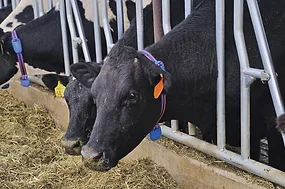
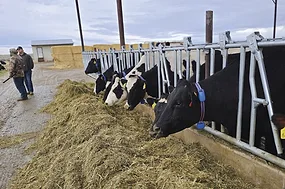
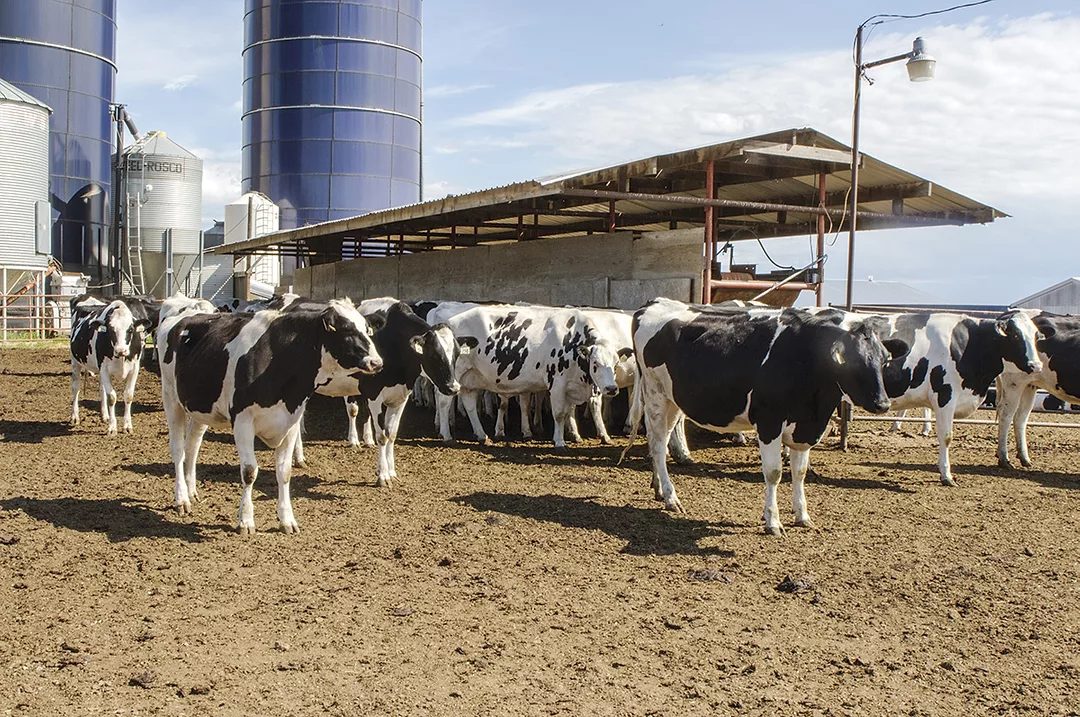
Comfortable housing is essential for stress reduction, health and productive and reproductive efficiency. Provide clean, dry bedding, adequate lying space and good ventilation. A good stocking density goal should be aimed at 80% to 85% of available stalls and cows should have at least 24 to 30 inches of bunk space to avoid competition. Keeping cows within their similar groups to reduce antagonistic interactions can be critical to reduce stress as well. Some stressors are inevitable, but ones that can be limited through management can help improve this demanding period.
4. Nutrition and body condition
Target a body condition score (BCS) of 3 to 3.5 at dry-off and maintain it throughout the period. Overconditioned cows are at higher risk of metabolic disorders like ketosis and fatty liver postpartum. Underconditioned cows can also be an issue and may require extra feed to prevent poor subsequent production. A balanced dry cow diet rich in fiber, controlled in energy and properly mineralized supports metabolic health and milk yield after calving.
5. Monitor health closely
Cows should be observed consistently after they dry off. Regularly check for udder firmness, swelling and signs of infection in the first week. Observe cows daily for appetite, comfort and mobility. Early detection of issues ensures faster recovery and less impact on future production.
6. Transition management
The last three weeks before calving – the close-up period – are vital for preparing the rumen and metabolism for lactation. Gradually introduce the lactation ration, provide consistent feed and water access, and minimize pen moves or stress.
Bottom line
A well-managed dry-off period pays dividends in higher milk yield, healthier cows and fewer fresh cow problems. By prioritizing comfort, health and body condition, producers can turn this resting phase into one of the most productive investments in the herd’s future performance.
References omitted but are available upon request by sending an email to the editor.