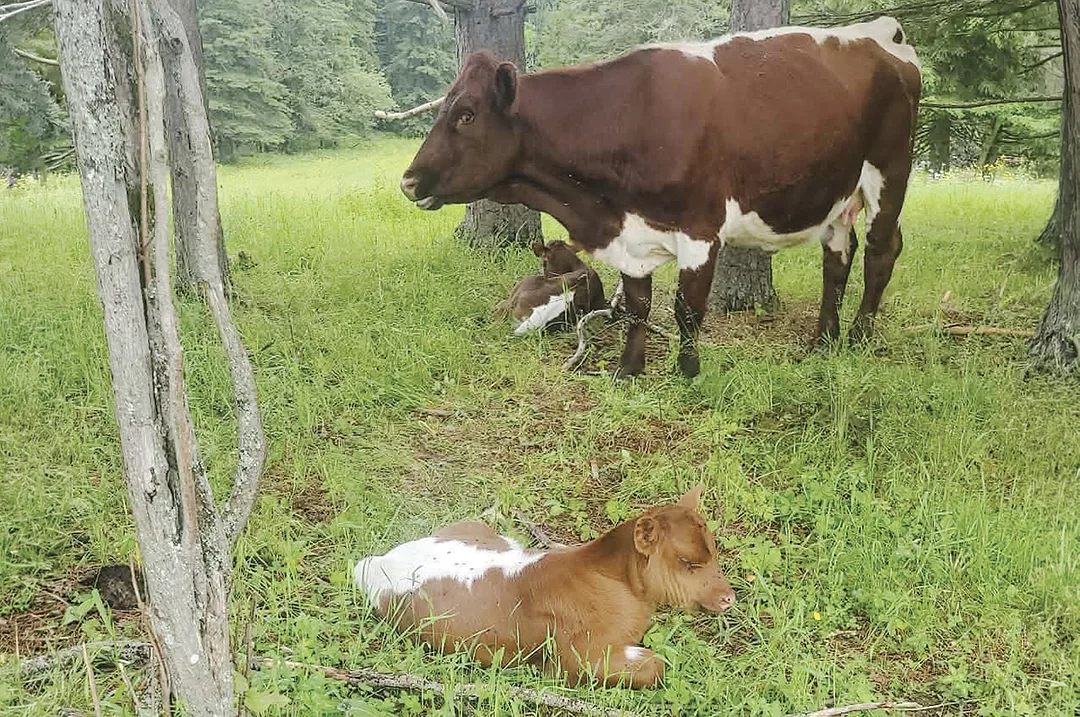
Although grass tetany sounds like it is related to tetanus – another potentially devastating problem for cattle producers – instead it is rooted in deficiency of an essential mineral: magnesium. With spring around the corner, now is the time to plan on making sure grass tetany never shows up on your ranch.

Paul Beck, beef nutrition expert at Oklahoma State University, says that grass tetany certainly can be a problem for beef producers in his part of the nation.
“It comes in spurts,” he says. “Those higher-quality pastures with cows close to calving or who just calved – those are the ones in the most danger.”
The ratio of potassium to magnesium – both essential minerals for cow health – is what can spell disaster.
“Grass tetany is associated with inadequate magnesium absorption in the GI (gastrointestinal) tract caused by marginal to low forage magnesium concentration and high potassium concentration that results in mineral imbalances that interfere with magnesium absorption in the cow,” says Beck. He adds that older cows are more likely to have a problem because they don’t access magnesium present in their bones as easily as younger animals.
No one wants to see an animal in distress. Unfortunately, the symptoms of grass tetany are the emblem of cow collapse: nervousness, muscle twitching, trouble walking and an inability to get up.
According to Beck, grass tetany is one of those times in ranching when prevention is far easier than treating the problem.
“When it comes to grass tetany, vigilance and prevention are the keys,” he says.
Providing a supplemental magnesium source at least one month prior to exposure to spring’s lush, protein- and potassium-rich pasture is a good way to prevent the problem, says Beck.
Melanie Barkley with Penn State Extension also emphasizes that grass tetany can often be prevented with the right minerals at the right time.
“Producers want to make sure that their animals have enough magnesium before they go out on lush pasture,” she says.
However, Barkley also makes the point that timing of fertilizer application also needs to be considered when preventing grass tetany. “If they wait until after the cows graze down the first spring growth before they apply fertilizer, the pasture will be better in the long run.” Barkley also notes that cool soils in early spring often don’t take up magnesium as well; the timing of grazing is key.
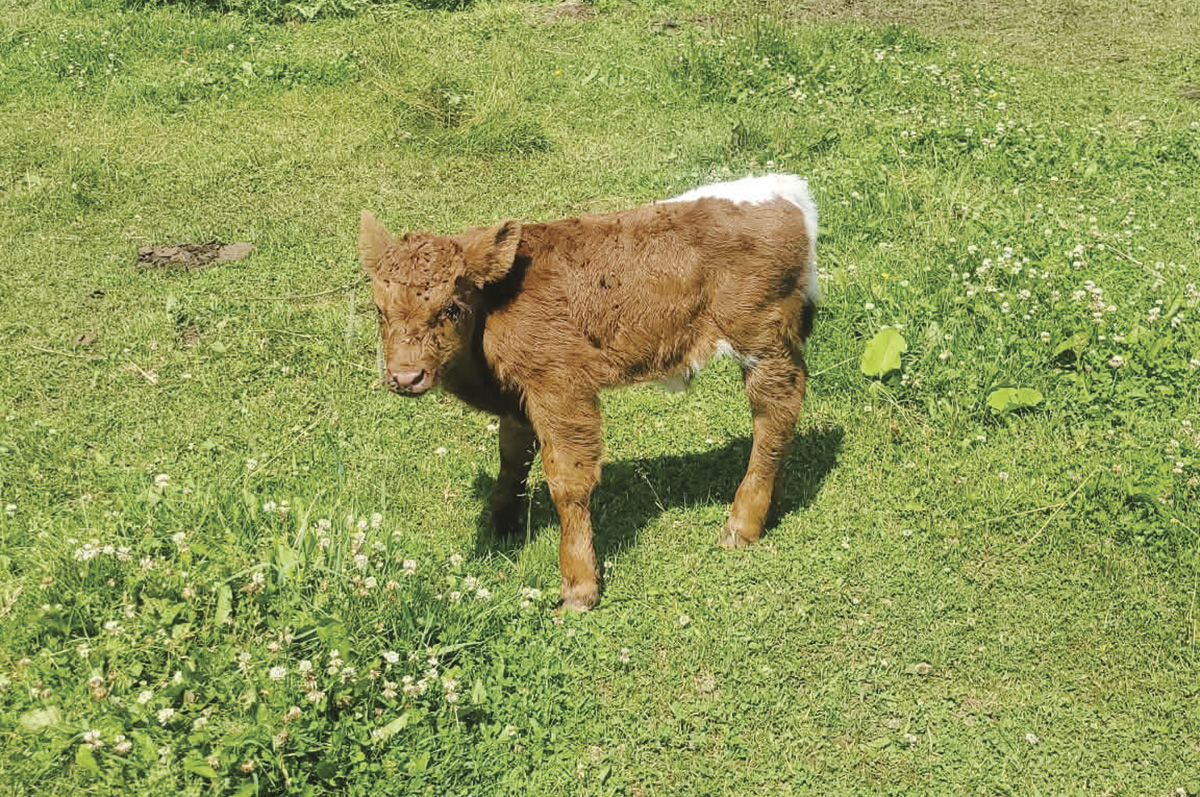
Image by John O'Meara.
While Barkley and others in the beef industry wait for cold weather to leave the Northeast, beef producers in the South are already gearing up for spring planting. Mark Broussard of Gonsoulin Land and Cattle says that his work with cattle in Louisiana in a variety of settings has shown grass tetany to not be a common problem.
“Sometimes, if we got a big fog and we had just fertilized, we used to see some,” he says. Mostly, grass tetany has been something from years ago, likely because of the mineral programs common on cattle farms in recent decades. Broussard remembers that there was a case of grass tetany while he was working for one of the state’s universities. “We had one problem with that, but it was years ago,” he says.
Max Kitzmiller, a veterinarian practicing in northern Vermont, notes the unpredictable nature of grass tetany. “It’s a fairly sporadic condition. It’s not something you see all the time,” he says, adding that it certainly shows up much more in beef herds than in the dairy herds of Vermont.
Kitzmiller finds it not especially difficult to treat the individual animals he encounters on rare occasions that are suffering from grass tetany.
“It’s very similar to treating milk fever,” he says, describing how necessary minerals such as magnesium and potassium can be given to a sick bovine intravenously. “They respond pretty well.”
Grass tetany is not only sporadic in frequency in a herd; it also shows up more in one part of the country than another. Bill Halfman, beef outreach specialist at the University of Wisconsin – Madison, says he sees very little grass tetany.
“We really don’t know why we don’t, but it is very infrequent here,” he says.
In contrast, Ben Boatman of Boatman's Farm in Tennessee sees his state as, unfortunately, a prime place for grass tetany to occur.
“If there is anywhere prone to grass tetany, it would be Tennessee,” says Boatman, explaining that much of the year’s rain comes in the spring, making the grass at that time of year the lushest.
In the summer, conditions change drastically in Tennessee. “In the summer, we get a summer slump,” Boatman says. Places like Wisconsin get more evenly distributed precipitation throughout the year, possibly explaining why grass tetany is less common there.
Although Boatman is a beef finisher – he is currently enjoying the high price of beef coinciding with low corn prices – he still feeds a mineral to cattle. “The mineral is a balancer with magnesium in it,” he says.
Whether cattle are on grain or pasture, a well-formulated mineral prevents many potential problems.
As spring approaches, keep an eye on the pastures and make sure magnesium is part of the ranch plan.