Fly control is a constant battle for cattle producers. As temperatures rise and cattle move into summer grazing systems, flies become more than just a nuisance. Horn flies, face flies, house and stable flies can negatively impact cattle comfort, grazing behavior and overall productivity. Research shows that heavy horn fly infestations alone can spread disease and negatively impact reproductive success and weight gain in U.S. beef operations to the point of $1.5 billion annually.

Most producers rely on conventional fly control strategies such as insecticide eartags, pour-ons, dust bags and sprays. While these tools remain important in combating the adult fly population, many operations are beginning to recognize that nutrition also plays a role in managing fly pressure and supporting cattle resilience during fly season.
We always focus on the adult fly population because they are the obvious nuisance. One of the best-kept secrets for fly control is to have a proactive mindset and control the life cycle of flies before they become adults and infest your operation. Keep in mind that adult flies travel from animal to animal to feed, and they replicate by laying their eggs in manure. Any disruptions in daily life and their ability to reproduce can drastically help with fly control.
Insect growth regulators (IGRs) are available in many vitamin and mineral supplements and act as a growth inhibitor in manure. Essentially, the cow consumes the IGR mineral, and the IGR passes through her gut and is left in the manure. Once the fly lays its eggs in the manure, the IGR inhibits its ability to produce a functional exoskeleton, and the larvae cannot mature into adults. It’s important to start these products early, as most fly species have a three-week lifespan, and it takes about three days for sufficient IGR to be in place in the manure. Start early and keep the IGR in the system until after the first frost of the fall.
Speaking of manure, the evolution of instars to pupae and adults is predicated on the level of organic matter in the manure. The more nutrients the cow leaves behind in the manure, the more nourishment the instar has to evolve from a larva to an adult. Alternatively, the more nutrients the cow extracts from the forage she consumes, the less she leaves for the flies. Vitamin and mineral supplements can be fortified with prebiotic additives. A prebiotic that can improve rumen fermentation and digestibility allows for more of the organic matter in the forage to go toward performance of the cow herd and away from the nuisance. It’s a huge win since some digestibility-enhancing prebiotics can deliver 16% or more VFA (energy) production while enhancing the immune system through the gut.
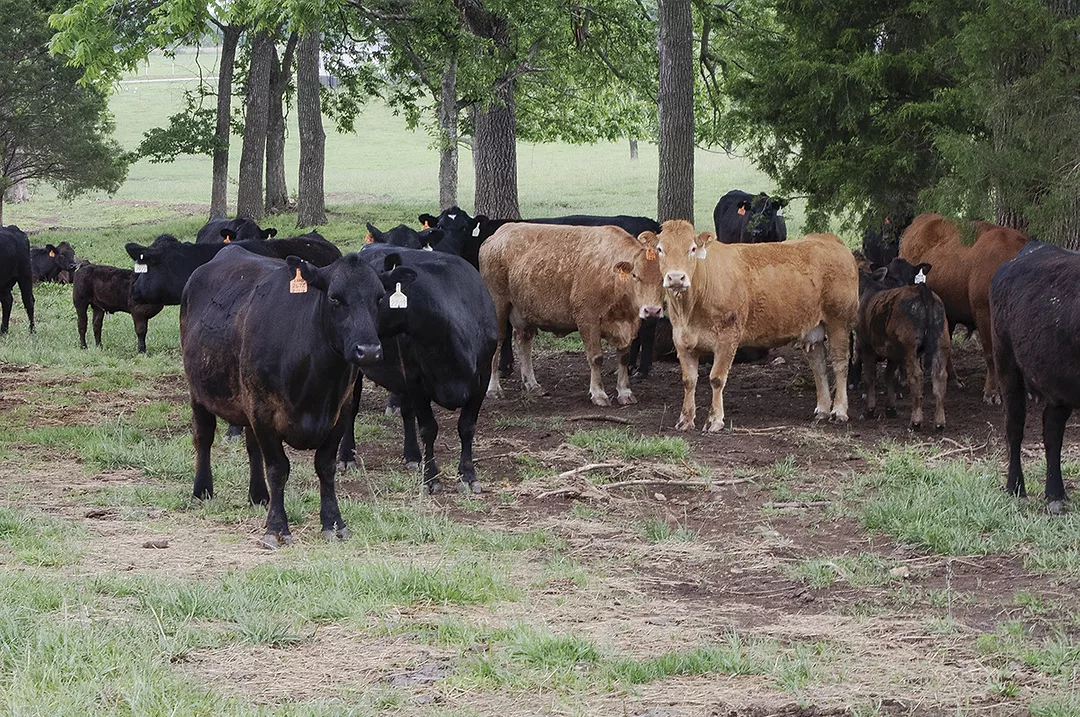
We’ve talked about controlling the life cycle of the fly population, but adult flies still exist. While topical applications do work, some nutritional tools can help. Adult flies travel from cow to cow, looking for opportunities to feed and spread disease. Summer heat intensifies, and cows start to bunch in the shade to thermoregulate, but they become sitting ducks to flies! Capsaicin-based heat technologies help thermoregulate by acting as a vasodilator and expanding blood flow to the extremities of the animal. This blood flow can help increase surface area and dissipate heat, allowing animals to continue normal grazing behavior in more extreme temperatures. Cattle that are out grazing instead of bunched up in the shade make it more difficult for adult flies to travel from one cow to another, disrupting their behavior and reducing the risk of disease transmission. When capsaicin technologies are combined with garlic, adult flies that make it from cow to cow are more deterred by the sulfur-containing compounds excreted by the animal.
Fortunately, all these technologies have been incorporated into daily vitamins and mineral supplements. Providing a daily supplement with a prebiotic and IGR leaves more nutrients for the cow and results in manure that inhibits the transformation of fly larvae to adults. If we help thermoregulate and force cows to “social distance,” we make it harder for the adult flies to function properly. Talk about a one-two, simplified nutritional punch to fly control.
By integrating a research-proven IGR and trusted heat technology with complete vitamin and mineral packages, your beef cattle can maximize energy and forage utilization for successful production. In this way, cattle can get more nutrients from every bite while combating flies with nutrition.
Take a proactive nutritional approach to control flies before they emerge and stay diligent with the strategies throughout the summer months. These nutritional plans, along with your current management strategies, are effective complements to seasonal fly control. Mitigating the fly population throughout their life cycle will pay dividends for the reproductive success and productivity of your herd.