If your fresh cows aren’t peaking where you expect, inflammation may be the culprit, quietly draining energy, milk and fertility long before cows look sick. Inflammation is not limited to obvious clinical cases; it is a normal biological process that takes place every day in a cow. We should recognize it as part of the cow’s constant physiologic balancing act, and one that becomes especially delicate during the transition period.


The challenge for producers is not to eliminate inflammation altogether but to keep it controlled and proportionate to the challenges the cow faces. When inflammation becomes excessive, lasts too long or occurs repeatedly, it can negatively impact milk yield, fertility and overall health.
This is particularly true around calving. Every cow experiences multiple inflammatory events between dry-off and early lactation. Mammary gland involution, parturition, placental expulsion and uterine involution all trigger inflammation, even in cows that appear outwardly healthy. At the same time, intake often declines, energy demands rise and most cows enter some degree of negative energy balance. Mobilization of adipose tissue during this period fuels milk production, but it also contributes to inflammatory signaling in the fat tissue.
Emerging research suggests that when this mobilization is extreme or repeatedly occurs across lactations, adipose tissue may undergo lasting immune remodeling that reduces a cow’s resilience to future stressors. If cows lose too much body condition or experience a difficult calving, inflammation can become chronic. Cows that fail to transition successfully often lose metabolic flexibility, meaning they cannot adequately redirect nutrients between immunity and milk production. In these cases, immune activation siphons glucose away from lactation, compounding production losses.
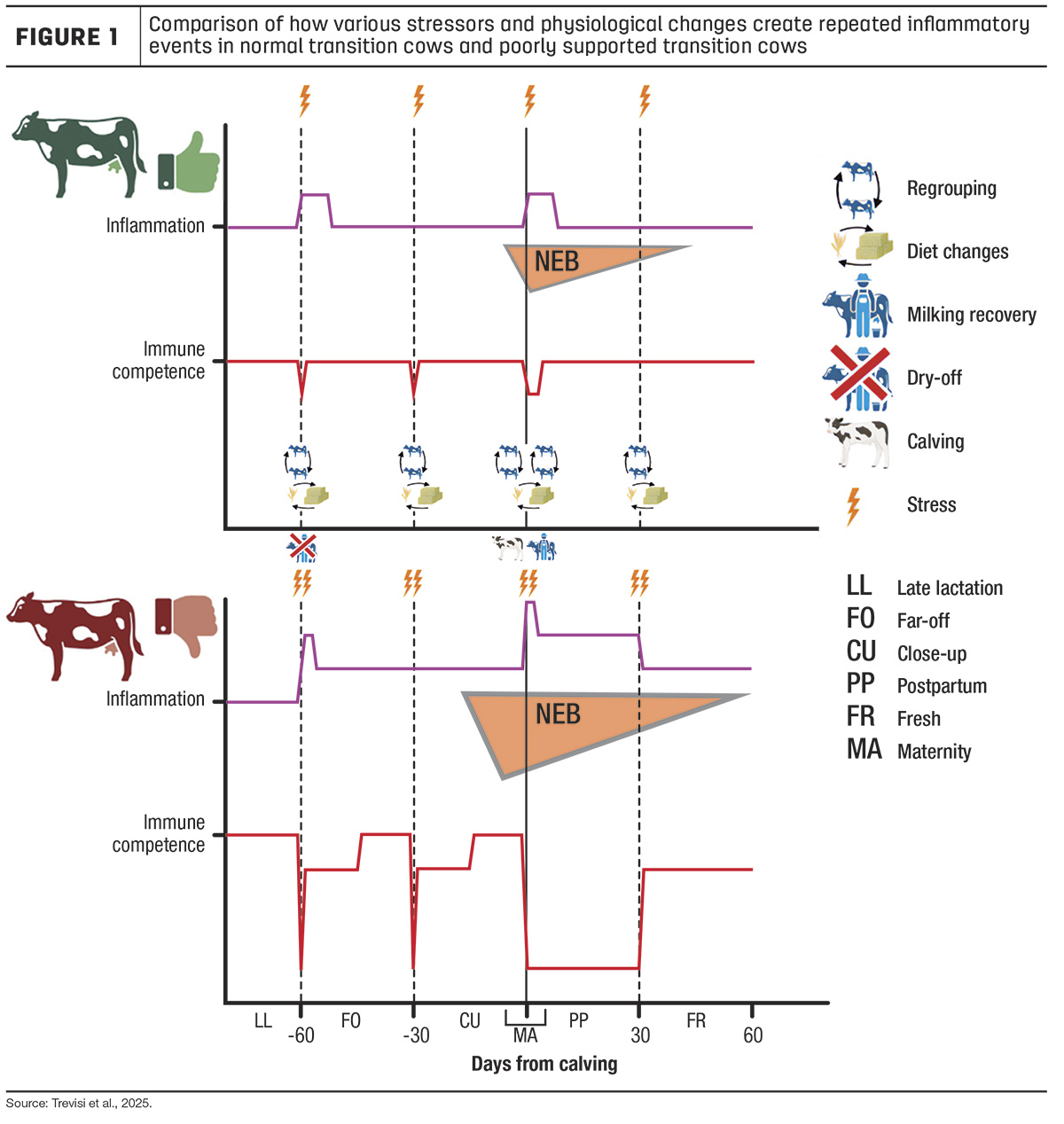
Figure 1 illustrates how various stressors and physiological changes create repeated inflammatory events. Even good transition cows experience predictable dips in immune competence, while poorly supported cows can get stuck in a cycle of chronic inflammation.
One reason inflammation is so disruptive to production is the glucose demand of the immune response. The mammary gland and the immune system both rely on glucose, and early lactation presents a metabolic tug-of-war between the two. When inflammation is active, immune cells take priority and nutrient partitioning shifts. A cow experiencing an inflammatory response may divert 2 to 4 pounds of glucose per day to support immune activity. That’s enough energy to fuel 6 to 12 pounds of milk production that now never gets made. In addition to diverting nutrients, inflammatory mediators have anorexic effects contributing to the decline in intake around calving. In this way, inflammation not only competes for nutrients but also reduces their supply. This helps explain why early-lactation cows with only mild inflammation often show lower milk yield, poorer reproduction and weaker performance overall, even if they do not appear overtly sick.
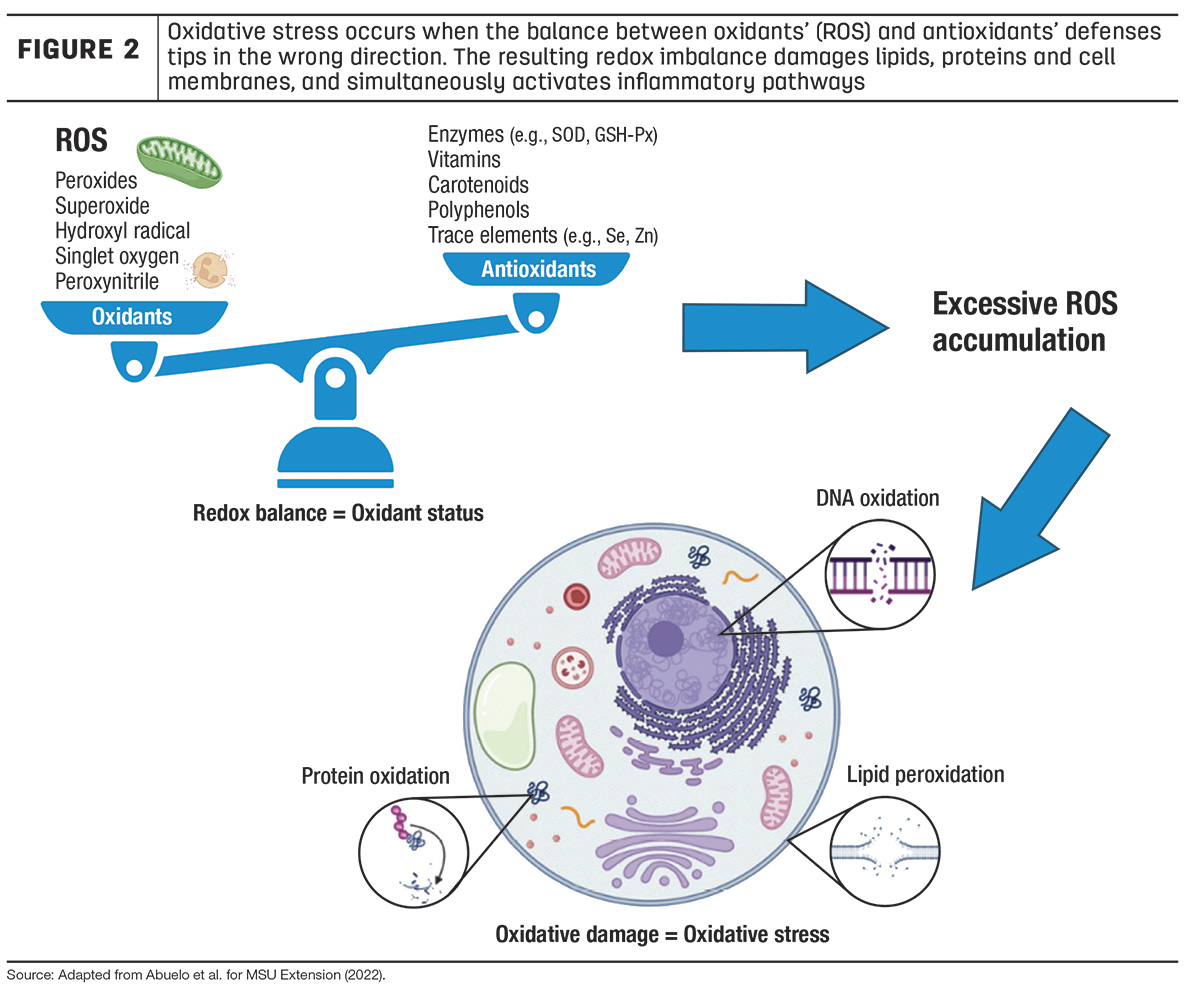
At the center of this inflammatory cascade lies oxidative stress. Oxidative stress occurs when the balance between oxidants (reactive oxygen species, or ROS) and antioxidant defenses tips in the wrong direction. These oxidants are a normal part of metabolism, but when cows are strained, production of ROS increases while antioxidant reserves decline. Around calving, reduced intake can lower the supply of dietary antioxidants, while increased fat mobilization and metabolic load increase ROS production.
In Figure 2, the resulting redox imbalance damages lipids, proteins and cell membranes, and simultaneously activates inflammatory pathways. This oxidative burden also affects the next generation. Calves born to dams who experienced high stress during late gestation have shown weaker early-life immune responses and greater disease susceptibility.
Another contributor to inflammation is rumen and gut disturbance. Diets deficient in effective fiber or excessively high in fermentable starch can amplify ruminal stress. During the transition into high-energy lactating diets, the microbiota shifts quickly and rumen acidity may fluctuate more dramatically than the rumen epithelium can adapt. In this case, the tight junctions in the rumen wall and lower gut become compromised, a condition we often call “leaky gut.” Once these tight junctions weaken, endotoxins can enter systemic circulation and trigger a strong inflammatory response. Tight junction disruption, bacterial translocation and immune activation are all drivers of postpartum inflammation and metabolic disease.
Diet plays a critical role in helping cows counteract these processes. Several nutrients support antioxidant defense and inflammatory resolution, including vitamins, trace minerals, polyphenols and polyunsaturated fatty acids. Antioxidant vitamins like A, C and E help stabilize membranes and neutralize ROS. Vitamin E is needed to protect immune cells during periods of stress, but blood concentrations often decline near calving when feed intake is low and metabolic demand is high. Trace minerals are equally important because they serve as co-factors for the cow’s own antioxidant enzyme systems. In addition to these trace minerals, soluble forms of calcium and magnesium play a meaningful role during transition. Highly soluble sources of these macrominerals are absorbed more efficiently in the rumen and small intestine, helping stabilize neuromuscular function, rumen motility and energy balance. Calcium in particular is critical for the structural stability of tight junctions and desmosomes that maintain gut barrier function.
Polyphenols are another tool gaining attention for their role in managing oxidative stress. They can help neutralize ROS at the cellular level, regenerate spent antioxidants and influence the expression of genes involved in inflammation. Because polyphenols are potent and diverse in their modes of action, they provide complementary antioxidant support during transition, when oxidant production spikes due to fat mobilization, immune activation and metabolic strain.
Omega-3 fatty acids also play a meaningful role in managing inflammation. Unlike saturated fatty acids that primarily contribute energy, the long-chain omega-3s EPA and DHA participate directly in inflammatory resolution. They serve as precursors to resolvins and protectins, the lipid mediators that help turn off inflammation once the immune system has done its job. Supplementation has been associated with improved milk yield, reduced inflammatory markers and better metabolic stability during early lactation.
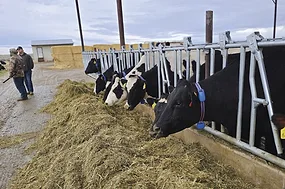
While nutrition is a powerful lever, much of inflammation regulation comes down to reducing the stressors that over-activate the immune system in the first place. Management practices that protect intake are especially important. Ensuring at least 30 to 32 inches of bunk space, avoiding overcrowding in pens and continuously providing fresh feed throughout the day can support intake and minimize unnecessary metabolic strain. Consistency is another major factor. Cows are incredibly sensitive to changes in their environment and routine, and even subtle disruptions can create stress, which affects gut integrity, intake patterns or immune activation. Minimizing regroupings, avoiding dramatic ration changes in the days before calving and maintaining consistent feed delivery all help preserve metabolic and gut stability.
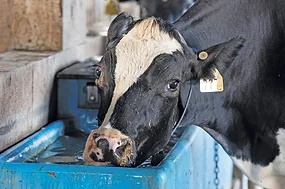
Heat stress is another activator of systemic inflammation. Even mild heat load increases the production of ROS and reduces the cow’s ability to maintain metabolic balance. Aggressive heat abatement and adequate hydration support is not just a summer recommendation but a year-round inflammation management tool. Routine husbandry practices can also compound inflammation if not timed carefully. Events like vaccination, hoof trimming, pen moves and dry-off all induce an inflammatory response as part of normal physiology. While each is necessary, stacking these stressors can overwhelm cows, especially as calving approaches. Avoiding days in which cows experience multiple stressors at once and scheduling procedures away from the final prepartum week helps limit unnecessary inflammatory load.
Controlling inflammation in dairy cattle requires an integrated approach rather than a single strategy. Nutrition sets the foundation by equipping the cow with the antioxidants, minerals and fatty acids needed to maintain redox balance and immune stability. Management preserves this foundation by preventing conditions that spark inflammation in the first place. When we focus on keeping cows eating, limiting stress, protecting gut integrity and supporting antioxidant defenses, the outcome is smoother transitions, greater milk yield and improved fertility.
The goal is not to suppress the immune system or eliminate inflammation altogether but to help cows avoid unnecessary activation of pathways that drain energy and compromise performance. By understanding the biology of inflammation, producers can make targeted management and dietary decisions to support cow health in the moments when it matters most. Each improvement pulls cows one step closer to a more productive, healthier transition.
References omitted but are available upon request by sending an email to the editor.