We’ve all heard the saying, “Plan your work and work your plan.” And while that age-old adage hits home for many aspects of dairy wellness, it rings especially true for transition cow management.

Dairy cattle are exposed to many health risks during their three-month transition phase. These risks are associated with major metabolic changes that they experience as they transition from a time of mammary quiescence to milk production while going through parturition. Identifying ways to support dairy health and wellness through the transition period can improve cow productivity for greater profit potential – and help protect the health of their calves, too.
Looking at optimizing the entire transition period may seem like a daunting task at first, but it gets easier when we break it down into three key time periods: 60 days pre-fresh, 30 days pre-fresh and 30 days post-fresh. A small tweak during just one of these phases can often have a big impact on dairy wellness and the long-term performance of your herd.
Start them off strong – 60 days pre-fresh
Your cow’s next lactation begins on the day of dry-off, and your disease prevention plan should too. The fact is that mastitis is expensive, costing producers up to $444 per case. An ounce of prevention at the start of the dry period will help prime her immune system and ensure she remains healthy and profitable throughout the next lactation.
Follow these simple steps 60 days pre-calving to help set your cows up for success:
- Clear up any lingering mastitis infections to avoid the need for antibiotic use during lactation. Intramammary dry cow tubes help eliminate existing mammary infections, where they often fester until diagnosed at the cow’s next lactation.
- Prevent bacterial invasion by using a teat sealant. During the dry period, a keratin plug forms in the teat canal and acts as a physical barrier to prevent bacteria from entering. However, not all cows are able to form this plug on their own. A proven, well-researched internal teat sealant is an easy way to give your cows additional protection.
- Vaccinate against E. coli mastitis. Coliform intramammary infection rates are about four times greater during the dry period than during lactation. Vaccination can reduce the severity of these cases, helping to eliminate the need for treatments and decrease the number of mortalities associated with sepsis and toxemia due to these infections.
Implementing these mastitis prevention practices during the dry cow period can yield farmers and herd managers a net return of about $21 per cow. This return underscores how strategic mastitis prevention during the dry period supports higher milk yield, better fertility and lower cull rates – key drivers of overall herd profitability.
Evaluate and monitor – 30 days pre-fresh
As we get closer to freshening, it becomes increasingly important to manage your herd’s environment and minimize stressors. The Transition Cow Risk Assessment (TCRA), developed by the University of Wisconsin – Madison School of Veterinary Medicine, provides helpful guidelines when it comes to optimizing transition cow management.
The following TCRA benchmarks, coined by Dr. Ken Nordlund as the “Big 5,” can help identify a few ways to fine-tune management protocols:
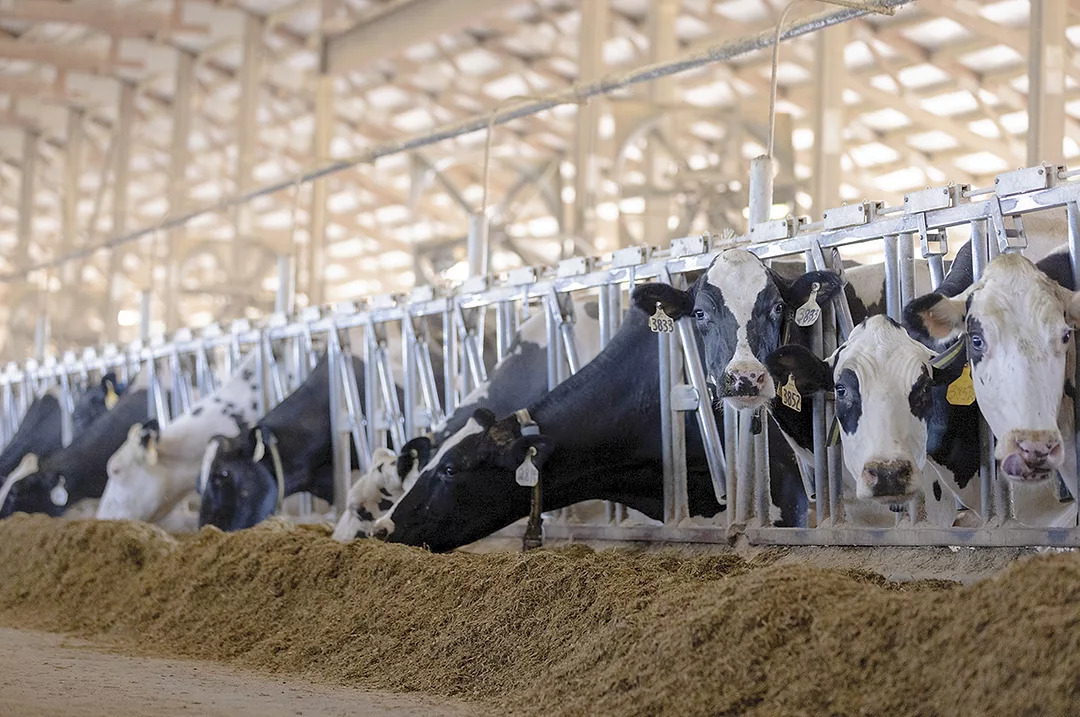
- Space per cow. Aim for at least 100 square feet per cow of bedded pack area and at least 30 inches per cow at the feedbunk.
- Stall surface and stall size. Comfort is king. Each time a cow wants to lie down, she should have a comfortable and available stall at her disposal.
- Social regroupings. Structure animal flow through the dry period and calving to minimize the number of pen moves and social disruption that the cows must navigate.
- Fresh cow screening methods. Focus on employee training and technologies that allow you to thoroughly assess the health status of each cow, every day, while keeping lock-up time well under an hour.
Along with those management practices, we can bolster herd health with a complete and strategic vaccination protocol. With the metabolic changes they are experiencing, springing heifers and cows can easily fall victim to disease challenges. This is especially true during the five weeks leading up to calving. For example, adding an intranasal respiratory vaccine to your transition cow protocols can help protect respiratory health and support milk production. Work closely with your herd veterinarian to develop a vaccination protocol that addresses the specific challenges and disease pressures on your farm.
We also need to keep an eye on supporting newborn calf immunity. Vaccinating dry cows and heifers with a scours vaccine three to six weeks before calving aligns with peak colostrum production, which helps facilitate optimal antibody transfer to colostrum. This optimal antibody transfer, when coupled with a good colostrum program, will confer additional protection to the calf against common diarrhea-causing bacteria and viruses.
Productivity awaits – 30 days post-fresh
As cows and heifers enter the most productive period of their lactation cycle, it is important to continue monitoring their health, keeping a close eye on common post-calving diseases like metritis and mastitis. The first 10 days after calving is a time when fresh cows are particularly susceptible to metabolic and infectious diseases. Consider the following to keep cows healthy during this critical time and improve reproductive potential:
- Identify disease early: Fresh cow diseases can hinder lactation and subsequent reproductive efficiency. Implementing a structured fresh cow monitoring program can help ensure timely treatment and reduce moves to the hospital pen.
- Administer fast and effective treatments: Chronic and recurring disease episodes can take a significant toll on the cows and, ultimately, your bottom line. Consider proven treatment options with zero milk discard to avoid moves to the hospital pen.
- Provide solid nutrition: Monitor pre-calving and post-calving feed intake and regularly consult with your nutritionist to identify any gaps in the nutrition program that can be addressed for improved health and productivity.
At the end of the day, we all know that having a healthy herd will improve the milk check. Transition cow management is about nurturing cows’ health and performance while managing against vulnerabilities throughout each transition phase – from the dry period, through calving and post-calving.
Many dairy producers are already implementing many of the above practices on their dairies, and often, small tweaks to a program can have the biggest impact and pave the way for improved cow health and operational productivity.
References omitted but are available upon request by sending an email to the editor.