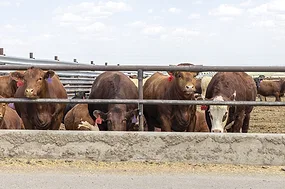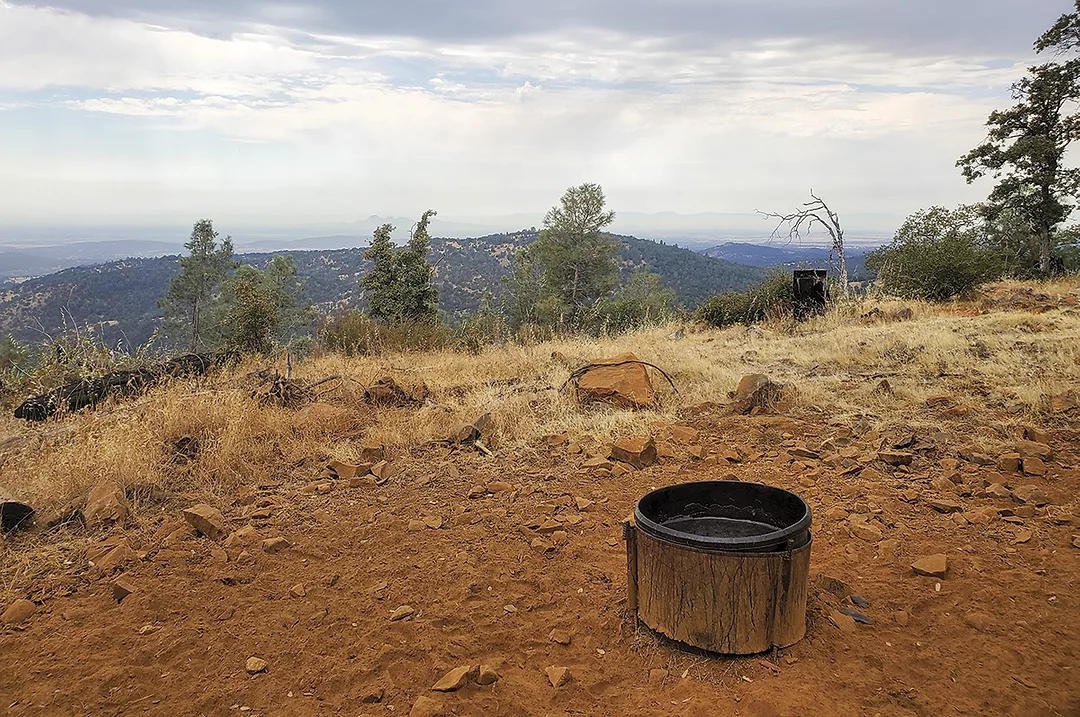
As many ranchers and land managers know, cattle tend to hang out near streams and riparian areas when grazing, ruminating and loafing. This clustering of cattle can affect nearby water quality, streambank stability, soil and plant health, and degrade fishery habitats.

These clustering cows are also squandering the nutritious vegetation waiting on the slopes and hilltops. This imbalance in overgrazing and undergrazing is why ranchers work so hard to distribute grazing activity with activities such as strategic supplement placement, herding and fencing. Current management tactics tend to be temporary and expensive (both in labor and supplies). While a herd-wide approach to move grazing activity can be successful, there are a few cows that willingly climb the hills and “rough it” to rugged terrain without any intervention needed.
A long-term solution to get more cows to graze away from low ground could be to look at their behavior during handling and isolation (such as when they're in a chute system). Cattle are social animals, which means they make decisions about where to eat not only based on what they need but also on their group. They might avoid being alone or have trouble being by themselves. But this is not true for all cows. There are some that prefer to “dine alone” and choose to graze, ruminate and loaf at higher ground. The question is: Why are some cows bottom-dwellers and why are some hill climbers?
Research on grazing behavior in wild animals such as elk and deer reveals that some individuals are more adventurous, will travel farther to find new food sources and will take greater risks for feed access. In contrast, other animals of the same species, age, sex and even family group will stay close to a small home range during grazing. This “personality” phenomenon likely influences grazing patterns in domesticated cattle as well. These personalities determine how active cows are during grazing, how far they travel daily and their preferences for grazing at certain elevations.
Researchers from New Mexico and New Zealand have confirmed that cattle exhibit individual grazing personalities, and there may be a genetic marker for this behavior. While some previous research looked at cattle grazing behavior over one season or measured behaviors such as speed of eating supplement as a predictor, our team at the University of California – Davis was the first to combine cognitive experiments (e.g., social-feed trade-off test) with GPS tracking over two years to confirm that these grazing personalities are consistent.
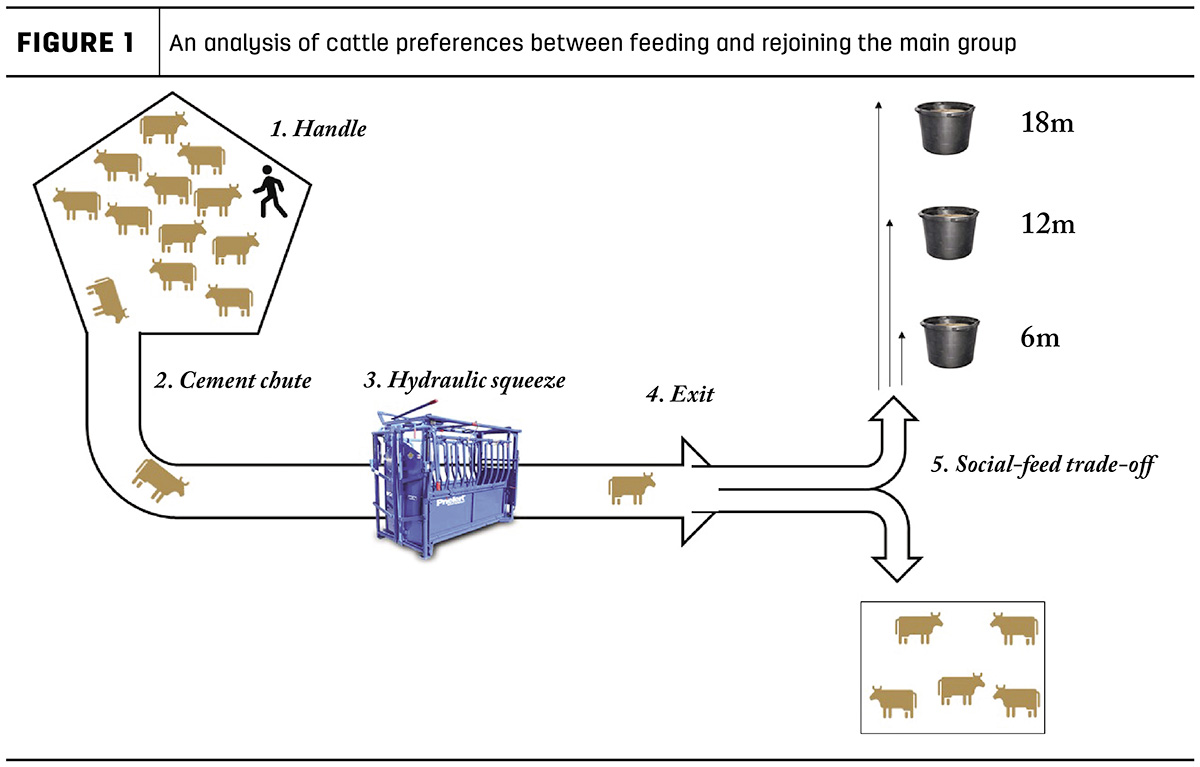
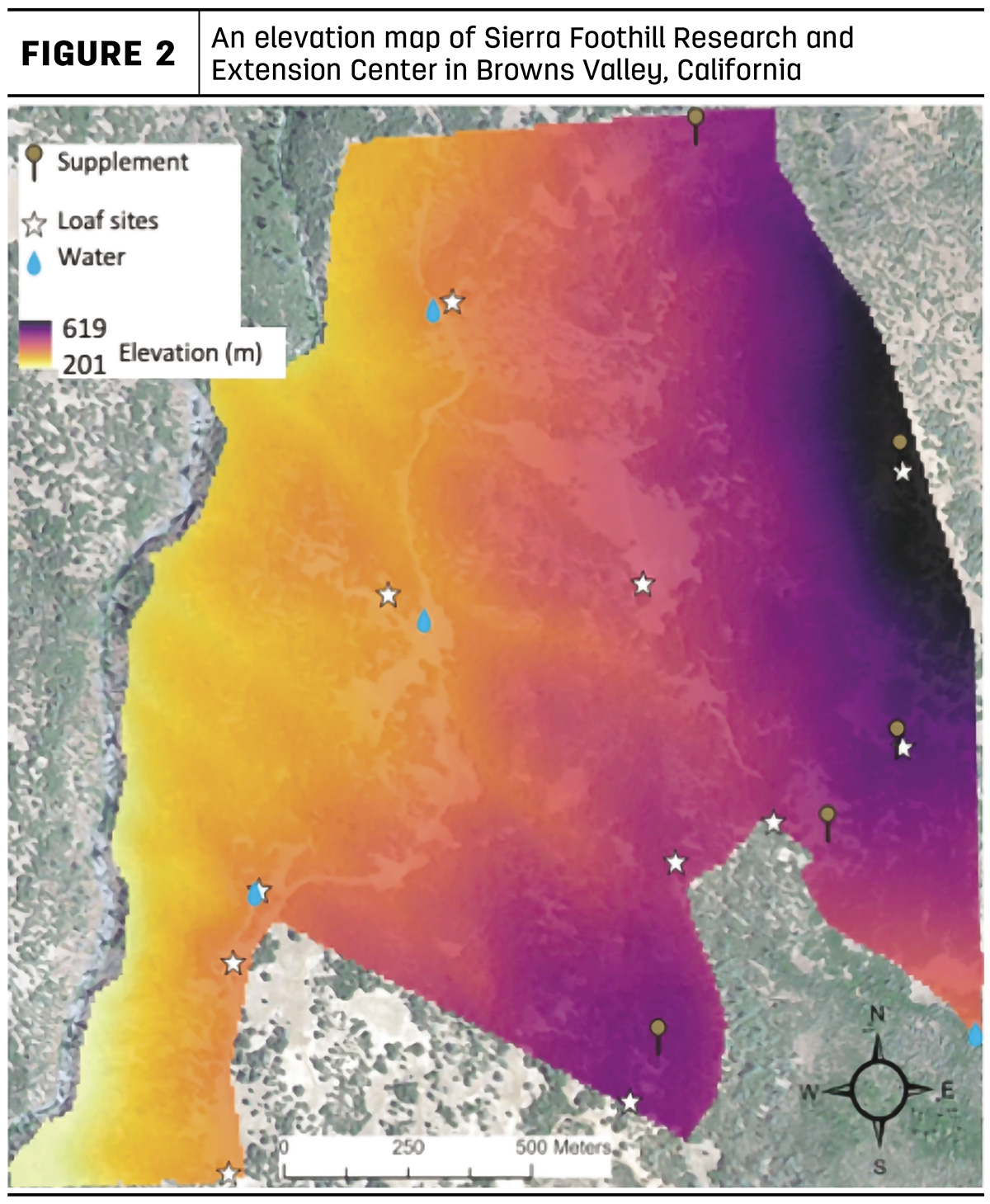
Our experiment replicated a routine handling event with 50 Angus-Hereford cross cows (aged 2 to 7 years) at a squeeze-chute system often used in veterinary checks. Once the cows exited the chute, they had a choice to return to the herd immediately or to eat some familiar mineral supplement in a bucket (Figure 1). We tested these cows four times a year and continued to move the supplement bucket farther and farther away from the chute exit. After our behavior tests, the cattle grazed on a 625-acre site at the Sierra Foothill Research and Extension Center in Browns Valley, California, which is a mix of grassland and treed areas. The elevation ranged from 600 to 2,028 feet (Figure 2), and GPS collars collected animal locations every 10 minutes for four months.
We found that cows that appeared agitated in handling systems and that quickly returned to the herd were not the ones that traveled far or grazed at higher elevations. Instead, it was the cows that were slower to move through handling systems and those that preferred eating supplements no matter the distance from the herd that consistently grazed in more remote areas. It seems that traits such as fear or aggression during handling do not predict grazing behavior but rather the social or asocial tendencies of individual animals. Some cows are simply more comfortable grazing alone and taking their time to return to the herd.
Our findings show that cows exhibit stable grazing personalities over multiple years. Some cows consistently graze at lower elevations and prefer to stay with the herd, while others seek higher elevations and often graze alone or in smaller groups. Therefore, if a rancher is seeing over- or undergrazing in a herd, chances are the same issues will appear again in the next grazing season. Interventions such as herding and mineral supplement placement could drag out some of the bottom-dwellers to the hills, but again, these cows may just walk right back down the hill after a few hours.
We also found that cows that are slower to move through the chute may actually display a more optimal grazing pattern, using underutilized areas in higher elevations and farther from water sources. These cows are likely less social and more independent. This suggests that a rancher could select cows with a predetermined grazing style to match the quality of the grazing land.
By selecting cattle with optimal foraging behaviors based on observable traits during routine handling and isolation, ranchers could enhance the sustainability of rangeland grazing. For example, during handling sessions (such as pregnancy checks), ranchers might observe how cattle behave in the chute and choose a mix of slow-moving cows (which might graze more rugged, hilly terrain) and faster-moving cows (which might graze flatter areas). This selection process could help balance grazing pressures across different terrains, reducing overgrazing near water sources and undergrazing at higher elevations.
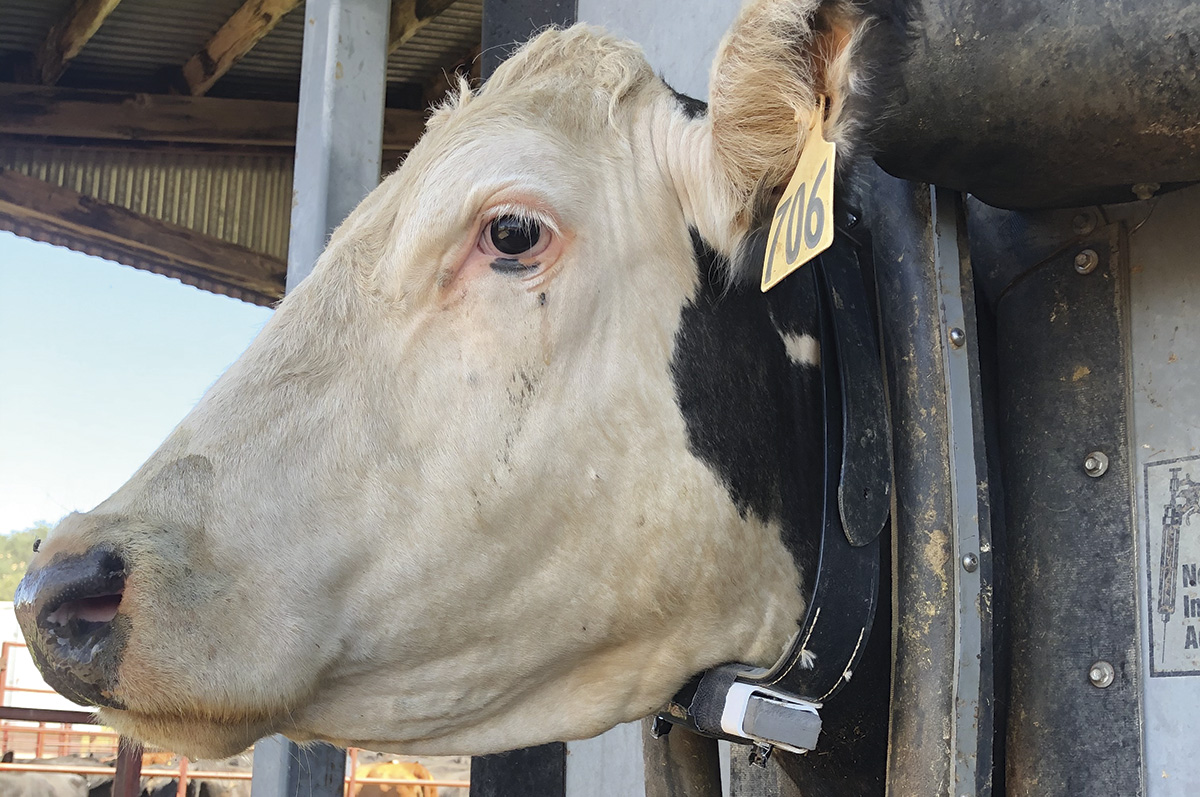
Cattle were fitted with GPS collars to monitor their grazing behaviors. Courtesy image.
Grazing lands are important to our environment because they help with things such as storing carbon, recycling nutrients, reducing fuel load and providing habitats for wild and domesticated animals. If cattle are grazed the right way, it helps keep plants healthy, protects animal habitats and lowers the chance of wildfires by keeping the land from getting too dry or overgrown.
We will continue to investigate whether these grazing traits are maintained in calves as they mature. We want to know whether calves adopt grazing habits from their mothers or their social peers after weaning. Are grazing personalities inherited from birth, or are they learned?
Additionally, our research on cattle loafing site preferences will allow us to build a social network based on this data. Understanding social clustering, or “friendship pods,” could provide insights into disease spread, such as pinkeye, among individuals that are more socially connected or cluster more tightly together. By paying attention to cattle behavior during the relatively brief periods of interaction for health or husbandry checks, ranchers could gain valuable insight into the herd’s future grazing behavior. The slow, food-motivated cows might be a better match for ranches on steep, rugged terrain; while the fast, gregarious cows may be fine for flat, open ranges. Better yet: A mixture of the two could be best to balance grazing pressure to benefit the land, the animal, the producer and the industry.