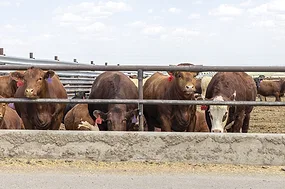
As grazing season has begun for many, it is time to make sure fences and pastures are still in good condition and ready for turnout. Over the winter and early spring, both wildlife and weather can dismantle and degrade fences as well as cause issues on riparian areas and water sources. Also, as things have started to green up, the weed population starts to grow in pastures and grazing areas, creating more risks for your cattle.

Check permanent fencing
One of the first things to be thinking about prior to turning out is fence maintenance. Keeping cattle out of crop fields and secured where they are supposed to be can be easier said than done. Prior to turning out, make sure to inspect each fenceline of your pasture. While checking fences, you should check that each strand of wire is still attached to the fence post. If you use insulators, ensure that they are not cracked or damaged and if so, be prepared to replace them. Check that wires are not rusted to the point of breaking either, especially where you may have wire wrapped around wood posts. As things rust and rot over time, weak areas are created and are susceptible to an itchy cow that may easily push fencing over and break the rusted wires.
Posts should be checked to confirm that they still have good footing. In extremely dry conditions, posts can loosen in the dry, cracked ground, making it easy for them to tip or create low spots in the fence. And conversely, in extremely wet or riparian areas, wooden posts can rot and experience issues with stability. In wet areas, T-posts can also tip as the ground freezes and thaws over the winter.
Check electric fencing
If utilizing electric fencing, you need to also check that the entire fence is hot. An electric fence is great when it works but can be unreliable when you turn the charger on and the fence isn’t reading a strong enough charge. If that is the case, make sure to first turn the charger off and then check for things like broken wires, damaged insulators, poor grounding, loose connections and vegetation touching the fenceline. One of the most common issues is typically something interfering with the fence like grass, weeds or tree branches touching the fence wire, reducing its effectiveness. You should also ensure that your energizer, if solar powered, is getting sufficient sunlight where it is located and confirm that it is working by listening for a pulsing or ticking sound. If your energizer is battery powered, you need to make sure the battery is fully charged and has a good connection.
Poor grounding is the number one cause of electric fence problems. Active grounding completes the circuit, and for an animal to receive the electric shock, it must complete the circuit. To do that, soil moisture is a crucial part of the equation. When soil moisture is low, or frozen, animals will not be shocked unless ground wires are included on the fence. For this reason, ground wires should always be used in areas that have dry or sandy pastures or are using electric fence on frozen ground. When choosing grounding rods, you should never use copper. Read the manual for your specific charger for instructions on how many and how far apart to space your grounding rods, but in general, a minimum of three ground rods should be used for most energizers. In dry areas, this requirement is even higher. Always use one continuous wire to connect all the ground rods. For example, if your fence is two strands of electric wire, you should connect your grounding wires to the same strand throughout the whole fence.
Check for weeds
At the beginning of the season, another task to think about as you are checking your pastures is identifying new weeds that may have come into your area. Weeds in your pasture compete with forages, reducing the pasture’s production, and they can cause risk to livestock if they are toxic. The most common areas for weeds to come into a pasture are along fencerows, roads and high-traffic areas. For this reason, these areas should be checked first for new weeds. The most common weeds seen in pastures are thistles as they are biennials and can be especially hard to get rid of due to their ability to spread through high seed production and underground root systems.
Another pesky weed in pastures are invasive annual grasses, such as foxtails. There are many weedy grass species that are referred to as “foxtail.” The most common is foxtail barley, which is an annual grass that is very opportunistic, showing up early in the season in tilled land and disturbed sites. Because they are a grass, broadleaf herbicides do not control them, with the only chemical control option being a nonselective herbicide, which is detrimental to all other plants. Mowing is also not an effective control option, as that will just cause the plant to produce seed on a shorter stalk, increasing the amount of seed production in your field. Grazing prior to seedhead production can help with some control, but livestock will stop eating it once it goes to seed, instead preferring other species and creating an overselection of the preferable species in your pasture. The best control method with foxtails is prevention; if you see them coming into your pasture, it is best to spot treat them to eradicate them quickly.
Check for poisonous plants
Many poisonous plants can also cause a threat to your livestock and should be identified and removed prior to turning out. The most common poisonous plants to cattle are poison hemlock, water hemlock, lupines and larkspur. Poison hemlock is identified by its red or purple spots and streaks and its bright-green, fernlike leaves. In the first year of growth, they look like a carrot top; however, in the second year, they can grow very tall with white flowers. Water hemlock is the most toxic plant in North America and should be handled with caution. Water hemlock grows along wet areas and looks like poison hemlock with green stems and leaves with small white flowers. If this is seen in your pasture, you should carefully remove it, while wearing gloves, and place it in a black bag and burn it.
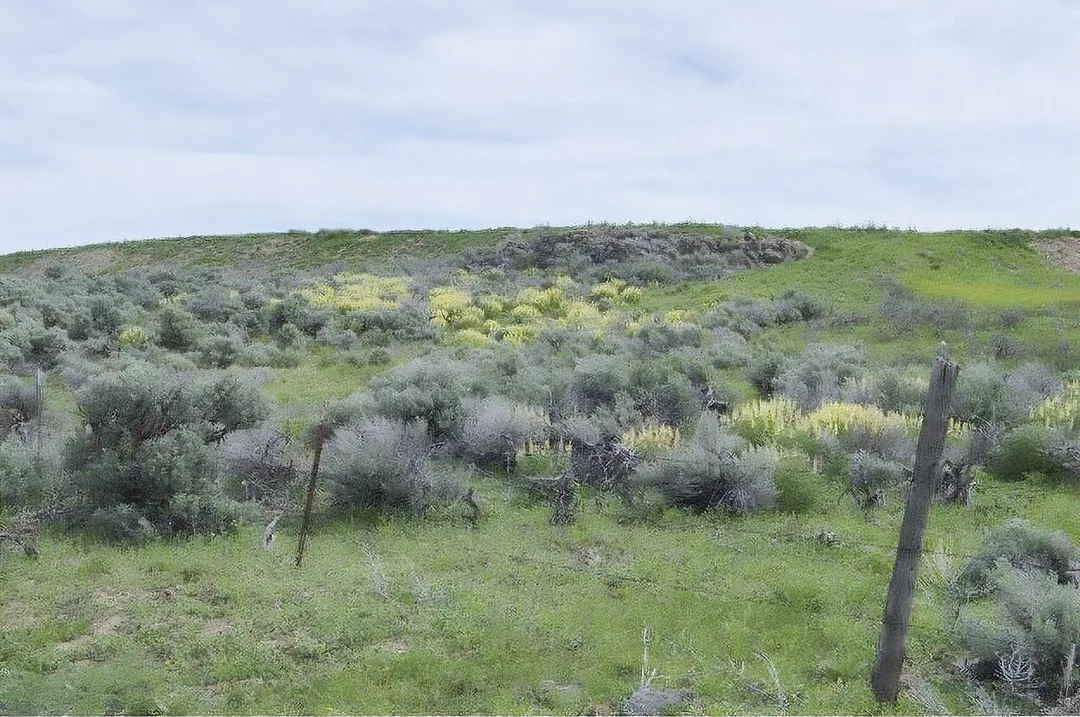
Lupine and larkspur are also common in pastures and should be monitored and grazed accordingly. Larkspur is poisonous throughout the grazing season, but most poisonings occur in areas that are overgrazed in early spring or when little other forage is available in late fall. Lupine is most detrimental to cattle during their first trimester, and so to avoid poisonings, cattle should be kept out of pastures with lupine in early spring. If that is not an option, it is best controlled with herbicides before the bud stage.
Turning cattle out to pasture in late spring can feel like one of the best days of the year, as you know you have graduated past daily hay feedings and calving season. However, doing these few things to ensure your pastures are in top shape will help ensure your grazing season is a success. Keeping cattle where they need to be with the safest forage source available will help make your summer a more relaxing one as well.