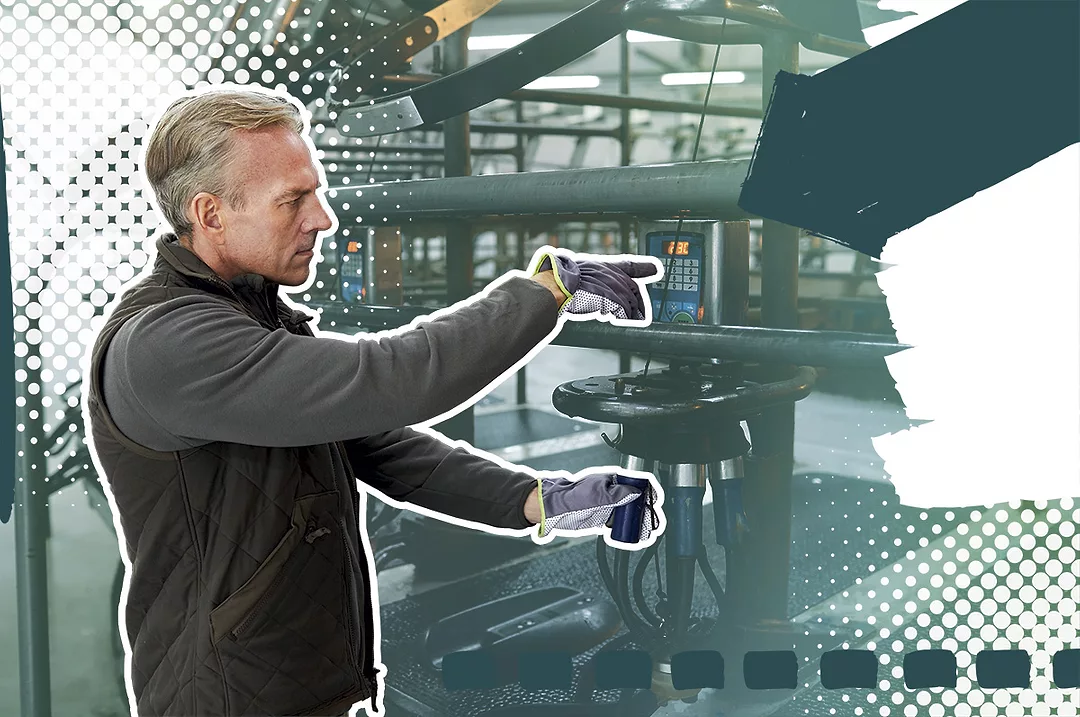
The milking parlor is the heart of any dairy. But like any hardworking system, it needs the right care at the right time to deliver peak performance over the long haul. When you skip maintenance or use low-quality replacement parts, problems build up fast. You may see more liner slips, vacuum fluctuations, milk residue buildup and clogged airways – all of which can reduce milk flow, damage teat ends, increase the risk of mastitis and strain both cows and equipment.

Over time, these issues silently erode milk quality, increase herd stress and chip away at your bottom line. The good news? A few proactive steps can add years to your system’s life – and protect your herd and your margins along the way.
Here’s where to start.
1. Don’t let the little things slip
Rubber components – like liners, gaskets, hoses and seals – are often the first to quietly degrade. They may not always show visible damage, but that doesn’t mean they are in working order. Over time, exposure to heat, chemicals, milkfat and manure can cause hardening, porosity or microscopic cracking that compromises performance and hygiene.
Best practices
- Check rubber goods daily for cracks, discoloration, material buildup and excessive hardness.
- Replace components on schedule, not just on appearance. Follow your manufacturer’s recommended change-out intervals for all rubber parts, especially liners.
- Remember: Invisible wear can lead to liner slips, vacuum loss and even teat-end damage – all of which can affect milk quality and put additional strain on other parts of the system.
Small issues here can snowball quickly. Don’t wait for visible failure to act.
2. Prevent pulsation problems
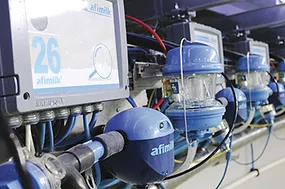
The pulsator is often called the heartbeat of the parlor – and it’s one you want to keep steady. Even minor vacuum fluctuations or worn seals can throw off timing, leading to teat-end damage and uneven milk flow. Left unchecked, poor pulsation can contribute to long-term teat health issues and reduce overall parlor efficiency.
Best practices
- Have your pulsators graphed for performance by trained professionals as recommended by the manufacturer.
- Keep pulsation lines clean and clear of dust, debris or moisture that could interfere with vacuum timing.
- Replace short and long pulsation tubing at manufacturer-recommended intervals to maintain a consistent, gentle milking action.
3. Vacuum health is system health
Your milking system’s vacuum is its lungs – and if airflow is compromised, your entire operation feels it. A poorly performing vacuum system can reduce milk flow, increase liner slips and place unnecessary strain on both animals and equipment.
Best practices
- Monitor vacuum levels daily to catch early signs of leaks, clogs or performance drops.
- Check belts weekly for cracks, fraying or slippage.
- Inspect for oil leaks, dirty filters or abnormal pump noise – and keep external surfaces clean and free of dust.
- Clean breather vents and vacuum filters regularly to ensure consistent airflow.
- Keep vacuum lines dry, clean and properly sealed to prevent bacterial buildup and ensure proper suction.
When to call a dealer
- For pump capacity testing and CFM readings.
- To adjust or test vacuum relief settings.
- For oil changes, internal flushing and bearing lubrication.
- Any time you're unsure about vacuum performance or pump health.
By staying on top of the basics and partnering with a qualified dealer for deeper service, you'll extend equipment life and reduce costly breakdowns.
4. Build a maintenance schedule – and stick to it
One of the easiest ways to protect your system is to plan ahead. Scheduled service means fewer surprises, better milk quality and longer-lasting equipment. Many manufacturers also offer evergreen service programs and warranty support if routine maintenance is documented.
Start with a few basics
- Annual parlor inspection by a certified technician.
- Log every liner change, pulsator rebuild and vacuum flush.
- Check torque on key components three to five days after maintenance.
- Record vacuum settings before and after any adjustment.
5. Plan for long-term value
Well-maintained parlors don’t just perform better – they save you money in the long run. Better uptime, fewer emergency calls and consistent milk quality mean you can focus on your cows, not your equipment.
Bonus tip
Contact your local milking equipment dealership for a full and thorough inspection of your system. Professional dealers have the diagnostic tools and expertise to identify potential issues before they lead to costly failures. Many can also assist with maintenance record-keeping – helping you benchmark performance and track changes over time to support consistent operation and early intervention when something’s off.
Final thought
The parlor is one of your most important assets. With a consistent maintenance plan and a watchful eye on the small details, you can keep it running smoothly – and profitably – for years to come.
For more information on service intervals and component care, talk to your equipment dealer or visit your manufacturer’s website.