As dry conditions persist across much of the West, beef producers should be cautious about a silent threat in their hay: nitrate toxicity. Drought-stressed forages can accumulate nitrates to dangerous levels, putting cattle at risk.

Under normal conditions, plants absorb nitrates from the soil and convert them into proteins. However, when drought slows plant growth, this conversion process is compromised and nitrates accumulate. Accumulation happens mostly in the lower stems. If hay is harvested during or shortly after drought stress, nitrate levels can remain elevated. This process can occur in almost any forage, but some plants like fescue, johnsongrass, mustard, kochia, sudangrass and cereal grains can be more susceptible to accumulating excess nitrates. Within all forages, nitrate accumulation is most often seen in immature forages and in areas with excessive nitrogen fertilization.
In a healthy rumen, the microbiome converts nitrates to nitrites and then to ammonia, which is then used to create protein. When high-nitrate hay is consumed, an excess of these nitrites can accumulate, which then interferes with the blood’s ability to carry oxygen. This can lead to symptoms such as rapid breathing, muscle tremors and in severe cases, sudden death.
With this threat being invisible, obtaining a forage test is a must! There are multiple testing laboratories across the country that can test for nitrates relatively quickly. Costs of these tests are usually $20 or under for each sample. When you get your test results, look to see if the units are in “nitrates” or “nitrate-nitrogen.” Nitrate toxicity charts for both of these expressed units exist online on multiple university extension websites. If looking at nitrates, anything under 3,000 parts per million (ppm) is generally safe for all cattle; 3,000 to 5,000 ppm is generally considered safe for non-pregnant livestock with a low risk of early-term abortions or reduced breeding performance. Above 5,000 ppm is a risky area for all cattle. At these levels, the forage should either be discarded or mixed with hay that contains a minimal level of nitrates. Consult a livestock nutritionist, state beef extension specialist or a county extension agent if you have any questions about mixing high-nitrate forages into your ration.
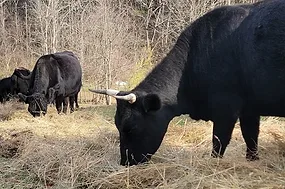
Interestingly, grazing nitrate-accumulating forages may pose less risk than feeding hay. Grazing animals tend to be more selective and consume less of the high-nitrate plant parts. However, caution is still advised.
In a dry year like this, prevention starts with awareness and testing. Contact your local extension office for hay testing options in your area.